
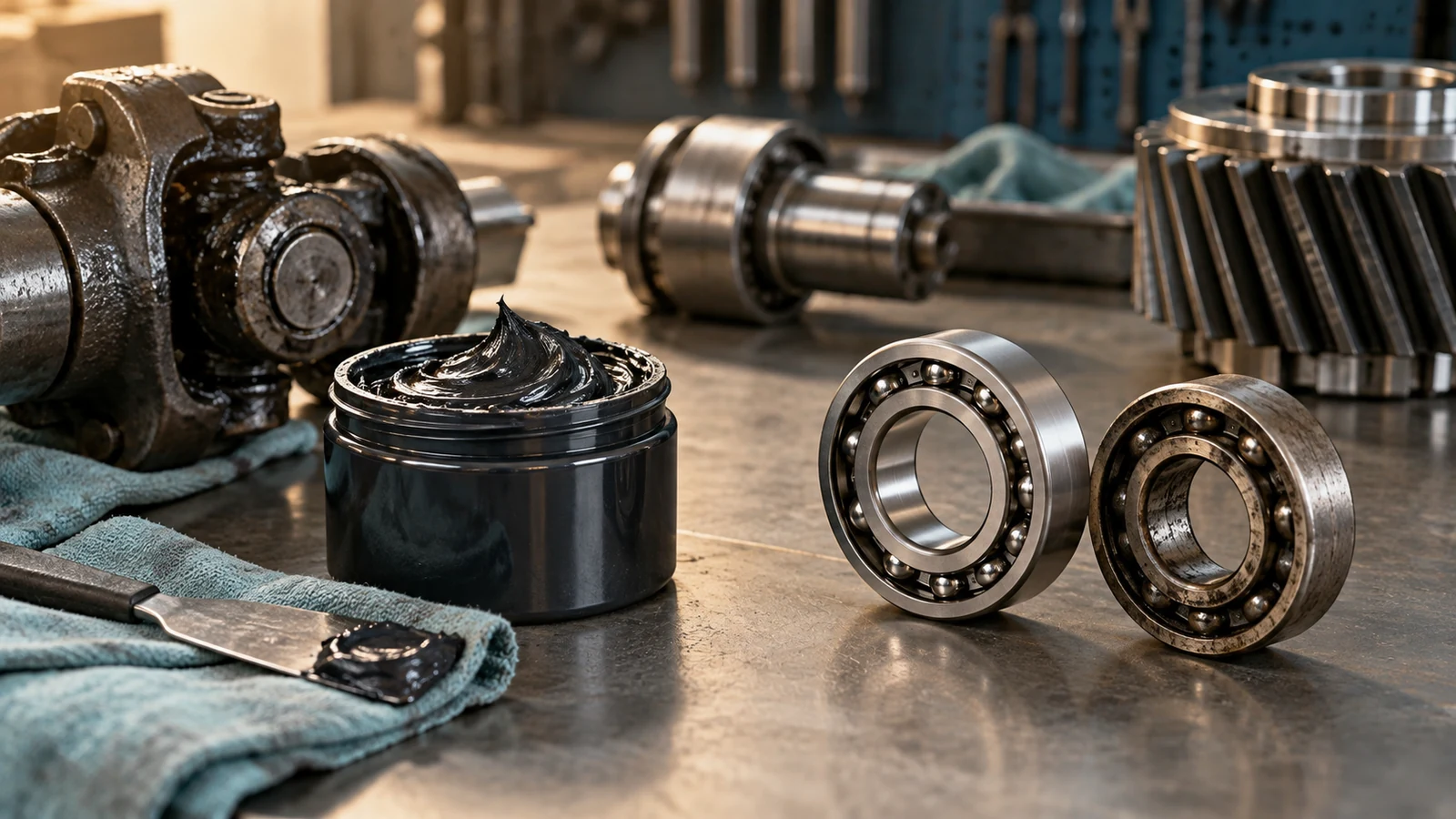
Moly grease, known for its exceptional lubricating properties, often stands out as a go-to choice for various mechanical applications. But, while it’s excellent in many scenarios, it’s not always the best option. Understanding when not to use moly grease can save you from potential mechanical failures and costly repairs.
You might think moly grease is perfect for all your lubrication needs, but certain conditions and machinery types can actually suffer from its use. By recognizing these specific situations, you can ensure optimal performance and longevity for your equipment. Let’s jump into the instances where moly grease should be off your list.
Key Takeaways
- Avoid Using Moly Grease in High-Speed Bearings: Molybdenum disulfide particles can cause point loading and increased wear in high-speed rolling element bearings, leading to mechanical failure.
- Water Ingress Leads to Corrosion: When equipment is exposed to significant water, molybdenum disulfide in moly grease can become corrosive to metal surfaces, causing accelerated degradation.
- Not Suitable for Electrical Components: Moly grease’s conductive properties can interfere with electrical signals and degrade insulation, making it a poor choice for lubricating electrical components.
- Sensitive Environments Risk Contamination: In clean rooms or food manufacturing facilities, the solid particles in moly grease can act as contaminants, compromising the cleanliness and safety.
- High-Temperature Limitations: Moly grease may break down under high temperatures in high-speed environments, leading to insufficient lubrication and increased wear. Using specialized high-temperature greases is advisable.
- Alternative Lubricants Recommended: For applications involving high-speed, water exposure, or electrical components, consider alternatives such as lithium grease, calcium sulfonate grease, polyurea grease, or silicone grease for better performance and machinery longevity.
Understanding Moly Grease
Moly grease is a specialized lubricant that incorporates molybdenum disulfide, a solid compound known for its excellent lubricating properties. While it’s invaluable in certain scenarios, understanding its composition, benefits, and limitations is crucial for ensuring it’s used appropriately.
Key Properties of Moly Grease
Molybdenum Disulfide (MoS2):
- This is the core component of moly grease. It’s a crystalline compound providing a low-friction lubricating layer.
High Pressure Tolerance:
- Moly grease excels in conditions with high load and pressure, protecting metal surfaces from wear and tear.
Temperature Stability:
- Suitable for a wide range of temperatures, making it versatile for various industrial applications.
Resistance to Seizure:
- Prevents parts from seizing under extreme pressure, invaluable in automotive and industrial mechanisms.
Common Uses of Moly Grease
- Heavy-duty machinery (construction, mining)
- Automotive components (ball joints, chassis)
- Agricultural equipment
Why It’s Not Always Suitable
But, even though these advantages, there are instances where moly grease’s properties might pose issues.
High-Speed Rolling Element Bearings:
- In high-speed environments like fans or universal joints, moly particles can increase stress and cause wear due to point loading.
Excessive Water Presence:
- If equipment is exposed to significant water, moly can be corrosive to metal surfaces.
Comparison of Grease Types
| Property | Moly Grease | Lithium Grease | Calcium Sulfonate Grease |
|---|---|---|---|
| Key Component | Molybdenum Disulfide | Lithium | Calcium Sulfonate |
| Ideal Pressure | High | Moderate | High |
| Temperature Range | Wide | Moderate | Wide |
| Water Resistance | Moderate | Moderate | High |
| High-Speed Suitability | Low | High | Moderate |
| Corrosive Potential | Yes, under water exposure | Low | Low |
Key Takeaways
When determining if moly grease is the right choice, consider the operating conditions of your machinery. Avoid using it in high-speed rollings, like fan bearings, and in environments with high water ingress to prevent potential issues. Always match the lubricant to the specific demands of the application for optimal performance and longevity.
Common Applications Of Moly Grease
Moly grease, containing molybdenum disulfide, is renowned for its low-friction, high-pressure tolerance, and temperature stability. These properties make it suitable for particular applications where extreme conditions prevail. Here are the primary use cases for moly grease:
- Heavy-Duty Machinery:
- Often used in construction and mining equipment, moly grease withstands high loads and shock impacts.
- Example: Excavators, bulldozers, and loaders benefit from reduced wear and tear.
- Automotive Components:
- Common in chassis, ball joints, and u-joints due to its lubrication and wear resistance.
- Example: Suspension systems benefit from moly grease’s performance under heavy load and stress.
- Agricultural Equipment:
- Ensures longevity and reliability of gear and pin joints in tractors and harvesters.
- Example: Plow and harvester joints endure repetitive motions without significant wear.
- Industrial Machinery:
- Used in press machines and heavy rollers where high pressure and temperatures are prevalent.
- Example: Press machines in manufacturing plants require moly grease for maintaining functionality.
Key Properties of Moly Grease
Low-Friction: Molybdenum disulfide reduces friction between moving parts, preventing wear.
High Pressure Tolerance: Enhances the grease’s load-bearing capacity, ideal for heavy-duty applications.
Temperature Stability: Maintains effectiveness in both high and low temperatures, suitable for various environments.
Situations to Avoid Using Moly Grease
Avoid using moly grease in specific situations to prevent mechanical issues:
- High-Speed Rolling Element Bearings: Solid particles cause point loading, leading to fatigue.
- Automatic Slack Adjusters: Can interfere with internal mechanisms, voiding warranties.
Table: Comparison of Grease Types
| Grease Type | Key Properties | Common Applications |
|---|---|---|
| Moly Grease | Low-friction, high-pressure tolerance | Heavy-duty, automotive, agricultural |
| Lithium Grease | Versatile, high-temperature resistant | General automotive, industrial machinery |
| Calcium Sulfonate | Excellent corrosion resistance, water-tolerant | Marine, food processing, high-moisture areas |
Ensuring Optimal Performance
Match the lubricant to your machinery’s demands to prevent damage:
- Assess the operational environment, including temperature and load.
- Consult manufacturer guidelines to verify compatibility.
- Regularly inspect machinery to ensure the grease’s effectiveness.
Use moly grease wisely to benefit from its properties while avoiding potential issues.
When Not To Use Moly Grease
Understanding when not to use moly grease is essential to prevent mechanical failures and ensure optimal equipment performance.
High-Temperature Environments
Moly grease isn’t always suitable for high temperatures combined with certain conditions.
Water Ingress:
- Molybdenum disulfide can corrode metal surfaces when exposed to water.
- Applications with excessive water exposure can lead to increased wear and corrosion.
High-Speed Operations:
- In high-speed environments, moly grease can break down due to heat.
- Bearings in such scenarios often require specialized greases better suited for high rotating speeds.
Bearings And High-Speed Applications
Using moly grease in bearings and other high-speed components can cause issues.
Heat Generation:
- High-speed bearings generate more heat, which can degrade moly grease.
- This degradation can lead to insufficient lubrication and increased wear.
Friction Reduction:
- Moly grease’s solid lubricants may not effectively reduce friction in high-speed contexts.
- Opt for alternatives like synthetic or high-speed-rated greases for better performance.
Electrical Components
Moly grease is not ideal for lubricating electrical components.
Conductivity Issues:
- Molybdenum disulfide possesses conductive properties.
- This conductivity can interfere with electrical signals and cause short circuits.
Insulation Degradation:
- The conductive particles can degrade insulation materials over time.
- Electrical connectors and contacts should use non-conductive greases to maintain integrity.
Ensure you select the appropriate grease type by assessing the operational environment and consulting with manufacturer guidelines. Utilizing the right lubricant extends equipment life and maintains performance.
Potential Issues With Moly Grease Misuse
Moly grease isn’t suitable for every application. Using it incorrectly can result in several issues. Understanding where moly grease falters is crucial for optimal machinery performance.
Increased Wear And Tear
Moly grease can cause significant wear and tear in certain contexts.
- High-Speed Bearings: In high-speed rolling element bearings, such as those in fans or universal joints, the solid particles in moly grease bridge the fluid gap. This bridging results in point loading and higher stress on surfaces. Prolonged use in such conditions leads to fatigue and abrasive wear.
- Electrical Components: Moly grease is not suitable for electrical components. Its conductive properties interfere with electrical signals and degrade insulation materials, leading to potential short circuits and component failure.
Contamination Concerns
Using moly grease can introduce contamination issues for metal surfaces.
- Water Ingress: Applications with excessive water ingress face significant risks with moly grease. The grease’s molybdenum disulfide content can become corrosive in the presence of water, leading to accelerated metal surface degradation.
- Sensitive Environments: In environments with stringent cleanliness standards, moly grease’s solid particles can act as contaminants. For example, in clean rooms or food manufacturing facilities, moly grease increases the risk of contamination, so making it unsuitable.
| Potential Issue | Concern | Examples |
|---|---|---|
| High-Speed Bearings | Increased stress and wear | Fans, universal joints |
| Electrical Components | Signal interference and insulation degradation | Insulated electronic machinery components |
| Water Ingress | Corrosive effect on metal surfaces | Marine equipment, outdoor machinery |
| Sensitive Environments | Solid particles acting as contaminants | Clean rooms, food manufacturing facilities |
Addressing these potential issues by selecting the correct lubricant for your specific application helps avoid expensive repairs and downtime. Always evaluate the operational environment and consult manufacturer guidelines to maintain machinery efficiency and longevity.
Alternative Lubricants For Specific Uses
Certain situations call for different lubricants instead of moly grease. Exploring a variety of alternative lubricants helps ensure optimal equipment performance and longevity.
Lithium Grease
Definition: A general-purpose lubricant made from lithium hydroxide and fats.
Features:
- Versatility: Suitable for a wide range of applications, including automotive, industrial, and household uses.
- Temperature Range: Operates efficiently between -20°F and 280°F.
- Water Resistance: Decent resistance against water washout.
Applications:
- Automotive: Ideal for chassis lubrication and wheel bearings.
- Household: Perfect for hinges, garage door tracks, and small machinery.
Calcium Sulfonate Grease
Definition: A high-performance grease with superior water resistance and mechanical stability.
Features:
- Extreme Pressure (EP): Excellent support under high load conditions.
- High Dropping Point: Remains stable up to 570°F.
- Corrosion Resistance: Provides superior protection against rust.
Applications:
- Marine: Best for seawater-laden environments and shipboard equipment.
- Industrial: Suitable for heavy machinery, mining equipment, and steel mills.
Polyurea Grease
Definition: A non-soap thickened grease renowned for its long life and high-temperature performance.
Features:
- Temperature Stability: Reliable operation from -20°F to 320°F.
- Oxidation Resistance: Extends grease life, reducing the need for frequent re-lubrication.
- Compatibility: Fits well with numerous synthetic and mineral oils.
Applications:
- Electric Motors: Protects bearings without conductive properties.
- High Temperature: Works effectively in equipment subject to continuous high temperatures, such as conveyor belts and dryers.
Silicone Grease
Definition: A lubricant made with silicone oil and a thickening agent, usually amorphous fumed silica.
Features:
- Wide Temperature Range: Effective from -40°F to 400°F.
- Electrical Properties: Non-conductive, making it suitable for electrical components.
- Chemical Inertness: Resistant to many chemicals, moisture, and oxidation.
Applications:
- Electrical Equipment: Suitable for dielectric applications and terminals.
- Plumbing: Ideal for faucets, valves, and gaskets due to water resistance.
| Lubricant Type | Temperature Range (°F) | Water Resistance | Specific Applications |
|---|---|---|---|
| Lithium Grease | -20 to 280 | Moderate | Chassis lubrication, wheel bearings, hinges |
| Calcium Sulfonate Grease | Up to 570 | High | Marine environments, heavy machinery |
| Polyurea Grease | -20 to 320 | Moderate | Electric motors, high-temperature equipment |
| Silicone Grease | -40 to 400 | Excellent | Electrical components, plumbing |
Choosing the right lubricant means evaluating factors like operating temperature, pressure, and environmental conditions. By understanding these variables, you can select the most suitable lubricant to optimize machinery performance and prevent mechanical failures. Carefully examine the specific requirements of your application, and opt for the lubricant that aligns best with those needs.
Conclusion
Understanding when not to use moly grease is crucial for maintaining your machinery’s performance and longevity. While moly grease offers exceptional benefits, it’s essential to recognize its limitations in high-speed, high-temperature, and water-exposed environments. Misusing moly grease can lead to mechanical failures and costly repairs, so always consider the specific demands of your application.
By assessing your operational environment and consulting manufacturer guidelines, you can make informed decisions about the best lubricant for your needs. Regular inspections and proper maintenance will ensure that your equipment runs smoothly, leveraging the full advantages of the chosen grease. Remember, selecting the right lubricant is key to optimizing performance and preventing mechanical issues.
Frequently Asked Questions
Where should moly grease be used?
Moly grease is ideal for heavy-duty machinery, automotive components, and agricultural equipment. It’s especially effective in construction and mining equipment, automotive suspension systems, and industrial machinery that operates under high pressure and high temperatures.
When should moly grease be avoided?
Moly grease should be avoided in high-speed environments, such as rolling element bearings, and in conditions with excessive water exposure. These scenarios can lead to increased wear, corrosion, and mechanical failures.
Why is moly grease not suitable for electrical components?
Moly grease contains molybdenum disulfide, which is conductive. Its use in electrical components can interfere with electrical signals and degrade insulation materials, leading to potential failures and hazards.
How does moly grease compare to lithium grease?
Moly grease is designed for heavy loads and extreme temperatures, making it suitable for high-pressure applications. In contrast, lithium grease is versatile, water-resistant, and commonly used for general lubrication and automotive applications.
What can happen if moly grease is used improperly?
Improper use of moly grease, such as in high-speed rolling element bearings or in conditions with excessive water ingress, can cause increased wear, corrosion, and mechanical failures, leading to costly repairs.
How should I select the right grease for my equipment?
Choosing the right grease involves assessing the operational environment, consulting manufacturer guidelines, and regularly inspecting machinery. Matching the lubricant to the specific demands of the application ensures optimal performance and prevents mechanical failures.
Are there alternatives to moly grease for specific applications?
Yes, alternatives include lithium grease for general and automotive uses, calcium sulfonate grease for marine and industrial applications, polyurea grease for electric motors, and silicone grease for electrical equipment and plumbing. Each alternative has unique features suited for specific applications.