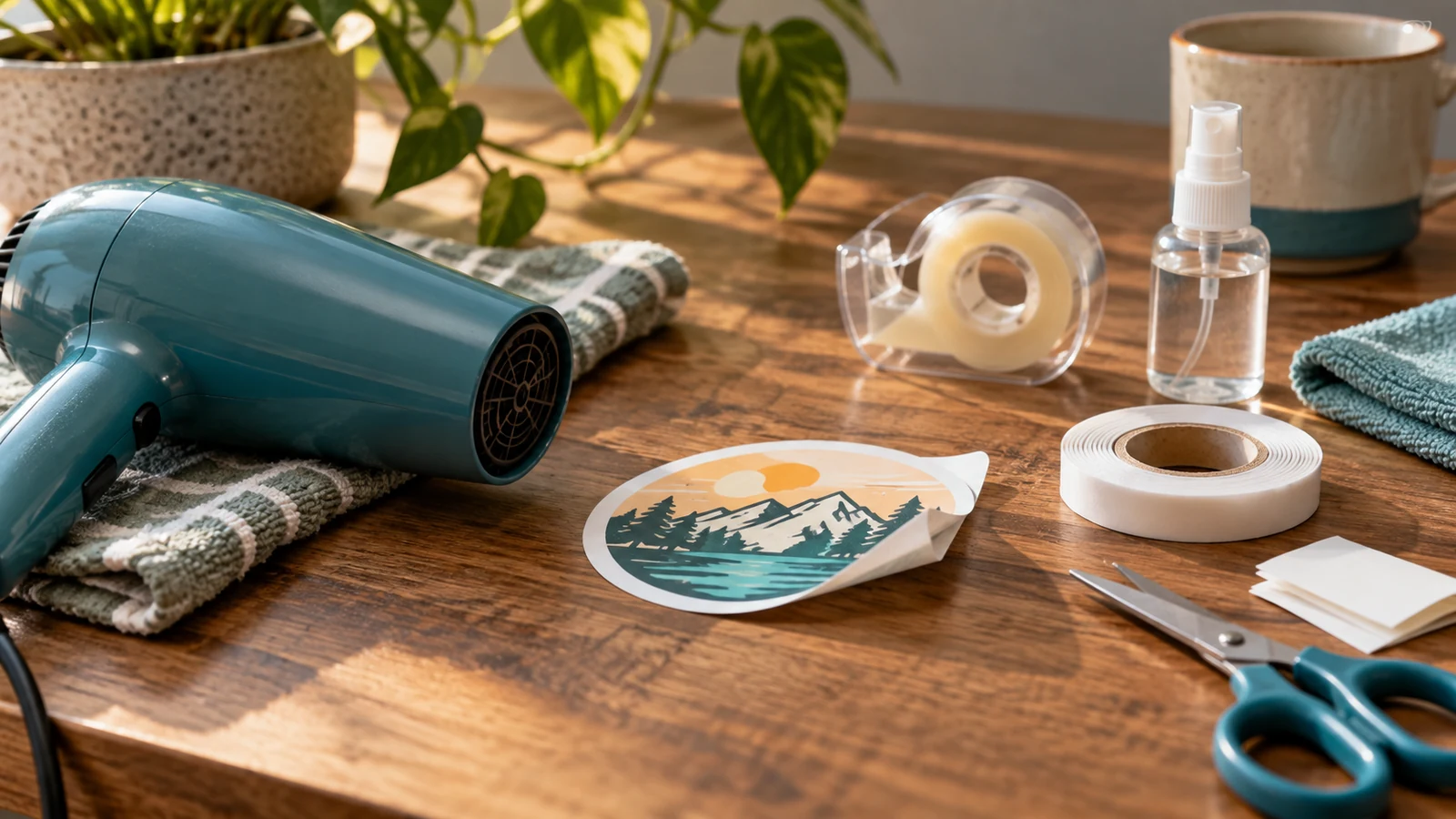
Ever peeled off a sticker only to find it’s lost its stickiness? Whether it’s a favorite bumper sticker or a cherished label, losing that adhesive magic can be frustrating. But don’t worry—you don’t have to toss it just yet.
Key Takeaways
- Factors Affecting Sticker Adhesiveness: Stickers lose stickiness due to time and exposure, dirt and debris, improper storage, and low-quality adhesive.
- Preventive Strategies: To maintain stickiness, store stickers in a cool, dry environment away from sunlight, clean surfaces thoroughly before application, and ensure proper application techniques.
- Methods to Restore Stickiness: Techniques to make stickers sticky again include using heat, applying clear tape, using double-sided tape, adhesive sprays, and paper glue or rubber cement.
- Understanding Adhesive Degradation: Adhesives degrade over time due to oxidation, surface interactions, material fatigue, and environmental contaminants.
- Proper Application and Storage: Ensure smooth, clean surfaces, apply even pressure, and store stickers flat to prevent curling and premature failure.
Why Stickers Lose Their Stickiness
Understanding why stickers lose their stickiness helps in finding effective solutions to restore them. Various factors contribute to this problem, which can be avoided with proper care.
Time and Exposure
Over time, the adhesive on stickers degrades, reducing their stickiness. The adhesive gradually loses its bonding properties due to exposure to air and surfaces. Here’s why:
- Oxidation: Continuous air exposure leads to oxidation, which weakens the adhesive.
- Surface Interaction: Repeated application and removal cause wear, reducing effectiveness.
- Material Fatigue: Adhesives weaken over time when consistently exposed to various surfaces.
Dirt and Debris
Dust, debris, and dirt can significantly reduce a sticker’s stickiness by interfering with the adhesive.
- Surface Particles: Tiny particles get trapped between the adhesive and the surface, weakening the bond.
- Cleaning Issues: Inadequate cleaning before applying the sticker leaves residue, impairing adhesion.
- Environmental Contaminants: Pollutants in the air, like pollen or industrial dust, can accumulate on stickers, affecting stickiness.
Improper Storage
Storing stickers improperly accelerates the degradation of their adhesive properties. Consider the following:
- Heat Exposure: High temperatures cause the adhesive to break down faster.
- Moisture: Humidity can weaken the adhesive’s structure, reducing stickiness.
- Sunlight: UV rays from direct sunlight degrade the adhesive material.
Low-Quality Adhesive
Stickers made with low-quality adhesive lose their stickiness quicker than those with high-quality adhesive.
- Composition: Low-quality adhesives may lack the robust components necessary for long-term stickiness.
- Manufacturing Standards: Inferior manufacturing processes lead to inconsistencies in adhesive application.
- Cost Constraint: Lower production costs often lead to less durable adhesives, impacting longevity.
Tips for Maintaining Sticker Stickiness
To maintain sticker stickiness:
- Store in a cool, dry place away from direct sunlight.
- Clean surfaces thoroughly before application.
- Choose stickers with high-quality adhesive.
A table summarizing factors and solutions offers a quick reference:
| Factor | Impact on Adhesive | Solutions |
|---|---|---|
| Time and Exposure | Gradual degradation | Limit exposure, use protective layers |
| Dirt and Debris | Weak bond | Clean surfaces, avoid dusty environments |
| Improper Storage | Accelerated degradation | Store in cool, dry, dark places |
| Low-Quality Adhesive | Quick loss of stickiness | Invest in high-quality stickers |
Understanding these factors empowers you to prolong the life of your favorite stickers.
Methods to Make Stickers Sticky Again
Ensuring stickers retain their adhesive properties can extend their usability and aesthetic appeal. Here are practical methods you can use to make stickers sticky again.
Using Heat
Materials Needed:
- Hair dryer or heat gun
Steps:
- Start with a low heat level and hold the heat source a few inches away from the sticker.
- Apply gentle heat evenly to the sticker’s surface, gradually increasing the heat until the sticker feels malleable.
- Press the sticker down firmly onto the surface to ensure it adheres again.
Applying Clear Tape
Materials Needed:
- Transparent adhesive tape (clear packing tape)
Steps:
- Cut a piece of clear tape slightly larger than the sticker.
- Cover the entire sticker with the tape, allowing a portion of the tape to extend beyond the sticker.
- Use the extended portion to secure the sticker to the desired surface.
Using Double-Sided Tape
Materials Needed:
- Double-sided tape roll
Steps:
- Cut a piece of double-sided tape matching the size of the sticker.
- Carefully place the tape on the back of the sticker to cover as much surface as possible.
- Press the sticker down onto the desired surface to ensure it adheres strongly.
Adhesive Sprays
Materials Needed:
- Adhesive spray (available at craft or hardware stores)
Steps:
- Clean the back of the sticker to remove any dirt or debris.
- Spray a light, even coat of adhesive onto the back of the sticker.
- Allow the adhesive to become tacky for a few seconds according to the manufacturer’s instructions.
- Press the sticker down firmly onto the desired surface.
Paper Glue or Rubber Cement
Materials Needed:
- Paper glue or rubber cement
Steps:
- Apply a thin layer of paper glue or rubber cement to the back of the sticker.
- Wait for the adhesive to become slightly tacky but not fully dry.
- Press the sticker onto the desired surface, smoothing out any air bubbles.
| Method | Materials Needed | Time Required | Best For | Example Usage |
|---|---|---|---|---|
| Using Heat | Hair dryer, heat gun | 5 mins | Stiff stickers | Bumper stickers |
| Applying Clear Tape | Transparent adhesive tape | 3 mins | Torn or fragile stickers | Old labels |
| Using Double-Sided Tape | Double-sided tape roll | 2 mins | Larger stickers | Posters |
| Adhesive Sprays | Adhesive spray | 4 mins | Lightweight stickers | Craft projects |
| Paper Glue/Rubber Cement | Paper glue, rubber cement | 5 mins | Paper-based stickers | Scrapbook elements |
These methods provide efficient solutions based on the type and condition of your stickers. Always test a small area if uncertain about how a method might affect the sticker or surface.
Tips for Preventing Stickers from Losing Adhesion
It’s crucial to take preventive measures to ensure your stickers remain adhesive for as long as possible. Follow these strategies to keep your stickers sticky and in top condition.
Proper Application
Applying stickers correctly is essential to maintain their adhesion.
- Smooth Surface: Ensure the surface you’re applying the sticker to is flat and smooth. Rough textures can reduce adhesion.
- Pressure: Apply consistent pressure evenly across the sticker. This helps eliminate air bubbles and ensures better grip.
- Temperature: Apply stickers at room temperature. Extreme temperatures can affect the adhesive properties.
Clean Surfaces
Adhesive performance depends significantly on the cleanliness of the application surface.
- Remove Debris: Wipe the surface with a damp cloth to remove any dirt or dust. Particulate matter can interfere with the adhesive.
- Dry Surface: Ensure the surface is completely dry before applying the sticker. Moisture can weaken the adhesive bond.
- Alcohol Wipe: Use an alcohol wipe to clean the area, especially for stickers on glass or metal. This removes oils and residues effectively.
Ideal Storage Conditions
Proper storage of stickers can prevent premature adhesive failure.
- Cool, Dry Place: Store stickers in a cool, dry environment to prevent adhesive degradation.
- Avoid Sunlight: Keep stickers away from direct sunlight. UV exposure can break down adhesive compounds.
- Flat Storage: Store stickers flat to avoid curling, which can affect their ability to stick properly when applied.
Definition of Terms:
- Adhesive: Substance used for sticking objects or materials together.
- Debris: Loose natural materials consisting of broken pieces of rock, dust, or fragments.
- Tacky State: A sticky or adhesive condition of a material.
| Factor | Best Practice | Impact |
|---|---|---|
| Surface Smoothness | Apply on flat, smooth surfaces | Ensures maximum grip |
| Application Pressure | Even, consistent pressure | Eliminates air pockets |
| Temperature | Apply at room temperature | Maintains adhesive properties |
| Surface Cleanliness | Clean with alcohol wipes | Removes oils and residues |
| Moisture | Ensure surface is dry | Prevents adhesive weakening |
| Storage Conditions | Store in cool, dry places away from sunlight | Prolongs adhesive life |
Taking these measures helps maintain the stickiness of your stickers, ensuring they stay adhered for longer periods and look pristine.
Conclusion
Reviving the stickiness of your favorite stickers is entirely achievable with the right techniques and preventive measures. By understanding the factors that cause adhesive degradation and applying the appropriate restoration methods, you can extend the life of your stickers. Remember to store them properly and clean surfaces thoroughly before application to maintain their adhesion. Armed with these tips, you can keep your stickers looking fresh and functional for much longer. Don’t let a little loss of stickiness force you to part with your cherished stickers – give these methods a try and enjoy their renewed adhesive power.
Frequently Asked Questions
Why do stickers lose their stickiness over time?
Stickers lose their adhesive properties due to factors like exposure to time and elements, dirt, debris, improper storage, and low-quality adhesive. Oxidation, surface interaction, and environmental contaminants can also degrade the adhesive quality, impacting sticker stickiness.
How can I prevent my stickers from losing their adhesion?
To maintain sticker adhesion, store them in a cool, dry place away from sunlight, clean surfaces thoroughly before application, and apply stickers at room temperature with consistent pressure.
What are some methods to restore sticker stickiness?
Some effective methods to restore stickiness include using heat (hairdryer or heat gun), applying clear tape, double-sided tape, adhesive sprays, paper glue, or rubber cement. Each method requires specific materials and steps.
Does heat help stickers stick better?
Yes, applying stickers at higher temperatures can speed up the adhesive reaction, resulting in better adhesion compared to stickers applied at lower temperatures.
Can I reuse stickers that have lost their stickiness?
Yes, you can reuse stickers by gently heating them with a hairdryer or heat gun to soften the adhesive. Be cautious to avoid overheating, which can damage the sticker.
How should I store my stickers to keep them sticky?
Store stickers in a cool, dry place away from direct sunlight. Proper storage conditions can help maintain their adhesive properties for a longer duration.
How do I clean surfaces before applying stickers?
Clean the surface with mild soap and water, followed by an alcohol-based cleaner to remove any debris or moisture. Ensuring a clean, smooth surface will help in better adhesive performance.
What is the best adhesive spray for restoring sticker tackiness?
Look for adhesive sprays designed for crafts or repositionable use. These sprays can provide a strong bond without damaging the sticker or the surface it’s applied to.
Can I use household items to make stickers sticky again?
Yes, household items like clear tape or rubber cement can help restore stickiness. Paper glue can also work, but it may not be suitable for all sticker types.
What type of stickers generally have better adhesion?
High-quality stickers made with strong adhesives and durable materials tend to have better adhesion and longer lifespan compared to low-quality stickers. Always opt for reputable brands when purchasing stickers.