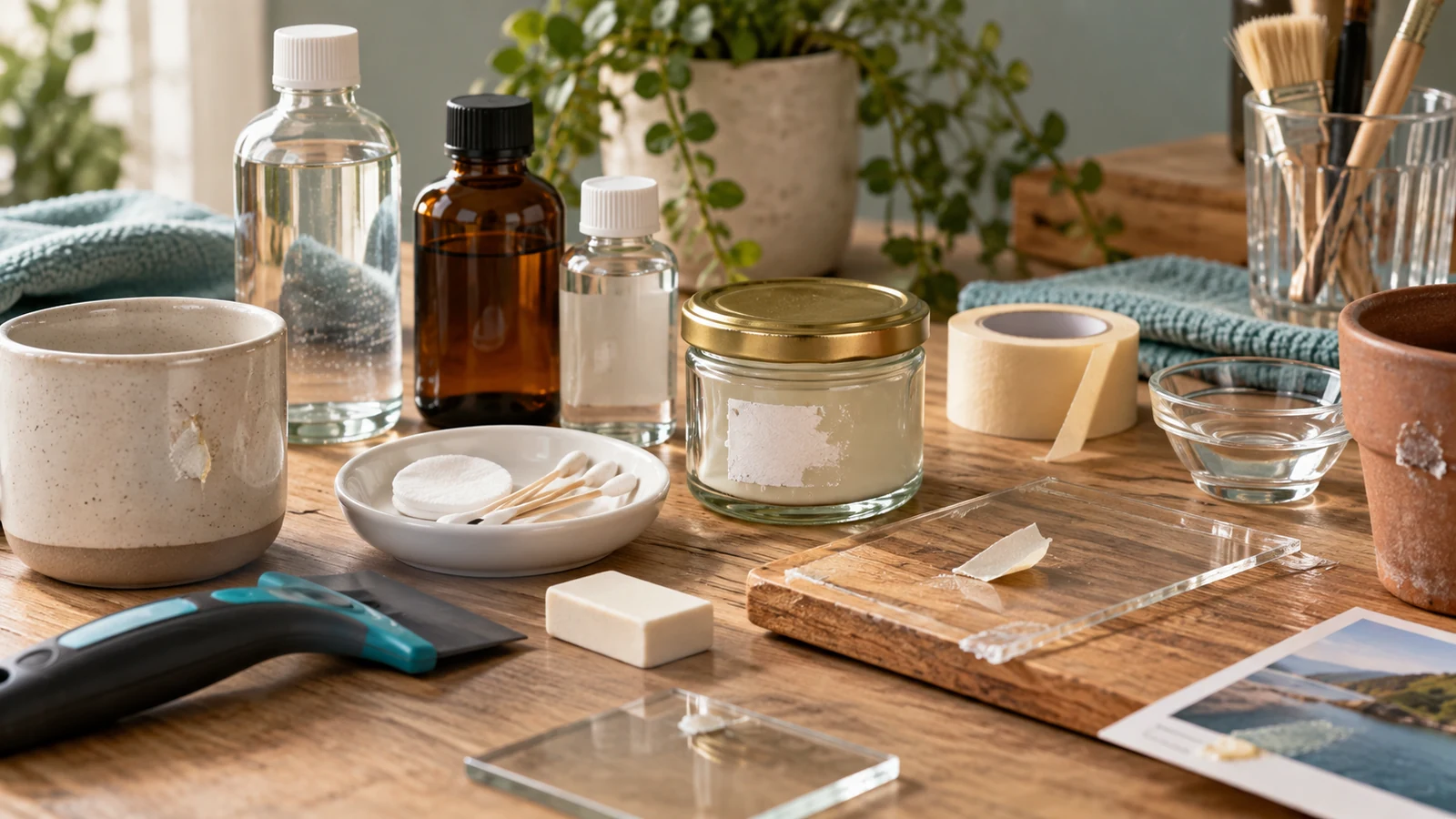
Got glue stuck on your favorite surfaces? You’re not alone. Whether it’s a sticky situation from a craft project gone awry or leftover adhesive from a label, knowing how to safely and effectively remove different types of glue can save you time and frustration.
Different glues require different removal techniques, and using the wrong method can damage your surfaces. In this guide, you’ll discover expert-approved strategies for tackling various adhesives, ensuring you can handle any sticky mess with confidence. Let’s jump into the best practices for keeping your belongings glue-free and pristine.
Key Takeaways
- Identify Glue Type: Recognize the type of glue before attempting removal to ensure you use the appropriate and safe method.
- Surface Preparation: Clean the area beforehand to prevent surface damage and test solvents in an inconspicuous area first.
- Safe Removal Techniques: Use recommended methods and products tailored for both the glue type and surface to avoid scratches or damage.
- Natural Solutions: Warm soapy water, vegetable oil, and other household items can be effective for mild adhesive residues.
- Commercial Removers: Products like Goo Gone, WD-40, and Goof Off provide robust solutions for tougher glue residues.
- General Safety Precautions: Avoid harsh chemicals, use gentle handling, and never use sharp objects to scrape glue to prevent injuries and surface damage.
Understanding Different Types of Glue
It’s crucial to identify the type of glue to choose the best removal method. Different adhesives have unique properties that affect how they bond and how you can remove them. Here’s a breakdown of common types of glue and their characteristics.
Key Types of Glue
Super Glue (Cyanoacrylate)
- Description: Quick-bonding adhesive commonly used for household repairs and metal bonding.
- Common Surfaces: Metal, plastic, glass, ceramics.
- Removal Methods: Usually requires solvents like acetone or rubbing alcohol.
White Glue (PVA)
- Description: Traditional school glue, safe and non-toxic.
- Common Surfaces: Paper, fabric, cardboard.
- Removal Methods: Warm soapy water, scrubbing.
Epoxy
- Description: Strong, durable adhesive formed by mixing two components (resin and hardener).
- Common Surfaces: Metal, wood, ceramics, glass.
- Removal Methods: Heat application or commercial epoxy removers.
Hot Glue
- Description: Adhesive applied with a hot glue gun, used in crafts and DIY projects.
- Common Surfaces: Fabric, plastic, wood.
- Removal Methods: Application of isopropyl alcohol, scraping when cold.
Common Surface and Glue Combinations
| Glue Type | Surface | Recommended Removal Method |
|---|---|---|
| Super Glue | Metal | Acetone, nail polish remover, rubbing alcohol |
| Super Glue | Plastic | Vegetable oil, skin moisturizer, vinegar |
| Super Glue | Glass | Petroleum jelly, nail polish remover, scraping |
| White Glue (PVA) | Paper | Warm soapy water |
| White Glue (PVA) | Fabric | Soaking in warm soapy water |
| Epoxy | Metal | Heat application, epoxy removers |
| Epoxy | Wood | Heat application, sanding |
| Hot Glue | Fabric | Isopropyl alcohol, gentle scraping when cold |
| Hot Glue | Plastic | Isopropyl alcohol, careful scraping |
Steps for Safe Removal
- Identify Glue Type: Reference the product label or manual to confirm the adhesive type.
- Prepare the Surface: Ensure the area is clean to avoid surface damage.
- Test Solvents: Apply remover in a small, inconspicuous area to check for any adverse reactions.
- Apply the Remover: Use cotton balls, cloths, or scrapers as required.
- Clean Residue: Follow up with soap or mild cleaners to remove any leftover solvent or adhesive.
Summary Action Point
Use the provided methods and combine them with a careful approach to safely and effectively remove different types of glue. By understanding both the adhesive and the surface involved, you can choose the right technique and prevent any potential damage.
General Safety Precautions
Taking some essential precautions ensures safe and effective glue removal from various surfaces.
Avoid Harsh Chemicals
Use solvents designed for glue removal. General cleaners might harm surfaces or irritate your skin. For instance, acetone works well for removing Super Glue from metal but isn’t suitable for plastic as it can cause melting.
Gentle Handling
Handle glued areas with care. Applying too much force can damage the surface or cause injury. For example, gently rub a warm, soapy cloth over a section with White Glue (PVA) on wood to avoid scratches.
No Sharp Objects
Don’t use sharp objects to scrape glue. Razor blades, knives, or scissors can lead to injury. Instead, use tools designed for this purpose, like plastic scrapers or old credit cards.
Test First
Always test removal methods on an inconspicuous area. This helps check if the surface would react adversely. For instance, test a small patch with a solvent on painted surfaces to ensure there is no discoloration.
By adhering to these safety measures, you protect yourself and your belongings while effectively tackling glue removal tasks.
Methods for Removing Glue From Various Surfaces
Removing glue from different surfaces can be challenging, but the right techniques make it manageable. Below are effective methods tailored for various materials.
Removing Glue from Skin and Hair
- Warm Soapy Water: Soak the affected area in warm soapy water to loosen the glue. This is the simplest and safest method.
- Acetone or Nail Polish Remover: Apply a small amount. Exercise caution since it can dry out the skin.
- Olive Oil or Coconut Oil: Rub olive or coconut oil gently to dissolve the glue.
Removing Glue from Plastic
- Vegetable Oil or Skin Moisturizer: Soak a cloth with oil or moisturizer. Let it soak in, then clean with a rag.
- Vinegar: Soak the area with white vinegar and work the glue away using a credit card or spatula.
- Test First: Always test any product on an inconspicuous spot to ensure it doesn’t damage the plastic.
Removing Glue from Glass
- Razor Blade Scraper: Use a razor blade scraper at a 45-degree angle to gently scrape off the glue residue.
- Rubbing Alcohol: Apply rubbing alcohol on a cloth and rub the area until the glue dissolves.
- Soapy Water: For lighter glue, soak the area in warm soapy water and scrape off gently with a plastic card.
Removing Glue from Fabric
- Freezing Method: Place the fabric in the freezer for an hour. Once frozen, peel off the glue.
- White Vinegar: Apply white vinegar to the glue spot and scrub with a soft brush.
- Laundry Detergent: Rub a small amount of liquid detergent into the glue and wash as usual.
Removing Glue from Painted Surfaces
- Warm Soapy Water: Gently wash the area with warm, soapy water and a soft cloth.
- Commercial Adhesive Remover: Use adhesive removers specifically designed for delicate surfaces. Always test on a hidden area first.
- Hairdryer: Warm the glue with a hairdryer to make it easier to peel off gently.
Removing Glue from Metal
- Acetone: Apply acetone to a cloth and rub the glue spot carefully.
- Commercial Degreaser: Use a degreaser that is safe for metals.
- Baking Soda and Oil: Mix baking soda with cooking oil to create a paste. Apply and let it sit before scrubbing off.
- Identify the Surface: Before attempting removal, identify the type of surface to select the appropriate method.
- Test First: Always test removal methods on a hidden area to avoid damage.
- Use Gentle Techniques: Avoid harsh chemicals and scraping tools to prevent surface damage.
| Surface Type | Method | Cautions |
|---|---|---|
| Skin and Hair | Warm soapy water, oils, acetone | Avoid prolonged acetone exposure |
| Plastic | Vegetable oil, vinegar | Test on inconspicuous area first |
| Glass | Razor blade scraper, rubbing alcohol | Avoid scratching glass |
| Fabric | Freezing method, white vinegar | Test for fabric sensitivity |
| Painted Surfaces | Warm soapy water, adhesive remover | Check paint type |
| Metal | Acetone, degreaser, baking soda and oil | Test on hidden area |
These methods help tackle glue removal tasks effectively, ensuring the safety of various surfaces.
Natural and Household Solutions
When it comes to glue removal, natural and household solutions can be safe and effective. These methods are often gentler on surfaces and easily accessible.
Warm, Soapy Water
Warm, soapy water can effectively dissolve water-based adhesives.
- Preparation: Mix warm water with mild soap.
- Application: Dip a sponge into the soapy water.
- Process: Scrub the affected surface until the glue dissolves.
Vegetable Oil and Skin Moisturizer
Vegetable oil and skin moisturizer can remove glue from surfaces like plastic.
- Preparation: Soak a cloth in vegetable oil or skin moisturizer.
- Application: Dab the cloth on the glue repeatedly.
- Process: Let it soak in, then clean off with a rag.
Petroleum Jelly and Mayonnaise
Petroleum jelly and mayonnaise can help remove glue from glass surfaces.
- Preparation: Apply petroleum jelly or mayonnaise to the glue.
- Application: Let it soak in.
- Process: Gently work the glue away with a scraper or scouring pad.
Using Rubbing Alcohol and Vinegar
Rubbing alcohol and vinegar can effectively break down many types of glue.
Rubbing Alcohol:
- Preparation: Soak a cotton ball in rubbing alcohol.
- Application: Dab the alcohol on the glue.
- Process: Let it sit and then wipe away the glue.
Vinegar:
- Preparation: Soak a cloth in white vinegar.
- Application: Press the cloth onto the glue.
- Process: Allow it to soak, then scrub the glue off with a brush.
Using Peanut Butter and Oils
Peanut butter and oils like coconut or olive oil can be surprisingly effective in removing glue.
Peanut Butter:
- Preparation: Apply a generous amount of peanut butter over the glue.
- Application: Let it sit for a few minutes.
- Process: Scrub the area gently to lift the glue.
Oils:
- Preparation: Apply coconut or olive oil to a cloth.
- Application: Rub the oil onto the glue.
- Process: Let it soak in, then wipe away the softened glue.
| Solution Type | Surface Type | Steps |
|---|---|---|
| Warm, Soapy Water | General | Mix warm water with soap, scrub with a sponge. |
| Vegetable Oil | Plastic | Soak cloth, dab on glue, clean off with rag. |
| Petroleum Jelly | Glass | Apply, let soak, work away with scraper. |
| Rubbing Alcohol | General | Soak cotton ball, dab on glue, let sit, wipe away. |
| Vinegar | General | Soak in cloth, press onto glue, let soak, scrub off. |
| Peanut Butter | General/Glass | Apply over glue, let sit, scrub area gently. |
| Coconut/Olive Oil | General/Plastic | Apply on cloth, rub on glue, let soak, wipe away. |
These natural and household solutions are effective in removing different types of glue while being gentle on surfaces.
Commercial Glue Removers
Using commercial glue removers can effectively eliminate stubborn glue residues on various surfaces. These products are formulated to dissolve or loosen the adhesive, making removal easier without damaging the underlying material.
Key Commercial Glue Removers
- Goo Gone: This popular product contains citrus-derived solvents and is effective on labels, stickers, tar, gum, crayon, and other sticky residues. It is safe for most surfaces, including walls, glass, and fabric.
- WD-40: Known primarily as a lubricant, WD-40 also effectively removes glue from glass, metal, and some plastics. It’s especially useful for old adhesive residues.
- Goof Off: A powerful remover suitable for tougher glue spots. It works on dried paint, marker, and adhesive residues. It is effective on metal, ceramics, and some plastics but may not be safe for all surfaces.
Application Steps
- Test the Remover: Before applying any commercial glue remover, test it on a small, inconspicuous area. This step ensures that the product doesn’t damage the surface.
- Apply the Remover: Use a cloth, cotton ball, or the product’s applicator. Apply the remover directly onto the glue residue.
- Wait: Allow the remover to sit on the adhesive for the time specified by the product instructions. This period lets the solution break down the adhesive bonds.
- Wipe Away: Use a clean cloth or scraper. Gently wipe or scrape away the softened glue residue.
- Clean the Surface: After removing the glue, clean the area with warm soapy water or another recommended cleaner to ensure no residue remains.
Safe Use Considerations
- Ventilation: Use these products in well-ventilated areas to avoid inhaling fumes.
- Protective Gear: Wear gloves and, if necessary, eye protection to protect your skin and eyes from potential irritation.
- Surface Safety: Always confirm that the product is safe for the surface type before application. Some removers may cause discoloration or damage to sensitive materials.
| Product | Primary Use | Safe Surfaces | Application Time | Price Range |
|---|---|---|---|---|
| Goo Gone | Stickers, gum, tar | Glass, fabric, walls | 5-10 minutes | $5-$10 |
| WD-40 | Lubricant, glue | Glass, metal, some plastics | 10-15 minutes | $3-$15 (size-dependent) |
| Goof Off | Tough glue, paint | Metal, ceramics, some plastics | 1-2 minutes | $5-$12 |
These commercial glue removers offer reliable options for tackling adhesive problems. Confirm the product’s compatibility with your surface and follow recommended safety protocols for the best results.
Conclusion
Effectively removing glue requires the right techniques and a good understanding of the adhesive type and surface involved. By following expert-approved methods, you can handle sticky situations confidently and maintain your belongings in pristine condition. Always prioritize safety by avoiding harsh chemicals and testing removal methods on inconspicuous areas first. Whether you choose natural solutions or commercial products, ensure you’re gentle to prevent damage and achieve the best results. With these strategies, you’ll be well-equipped to tackle any glue removal task with ease and precision.
Frequently Asked Questions
How do you remove glue from plastic?
For plastic surfaces, use vegetable oil or vinegar. Apply a small amount on the glue, let it sit for a few minutes to soften the adhesive, then gently scrape it off with a plastic scraper or cloth.
What is the best method to remove glue from glass?
The best method involves using a razor blade scraper at an angle or rubbing alcohol. Gently scrape off the glue with the blade or apply rubbing alcohol, let it sit, and wipe it away with a cloth.
How can I remove glue from fabric?
For fabric, try freezing it first to harden the glue, then gently scrape it off. Alternatively, apply white vinegar to the glue, let it soak, and blot it away with a cloth.
How do you get glue off painted surfaces without damaging them?
To remove glue from painted surfaces, use warm soapy water or a gentle commercial adhesive remover. Test on a small, inconspicuous area first, apply the remover, and gently wipe the glue away.
What are some natural solutions for removing glue?
Some effective natural solutions include using warm soapy water for water-based adhesives, vegetable oil for plastic, rubbing alcohol for various surfaces, and coconut oil mixed with baking soda for stubborn glue.
Are commercial glue removers safe for all surfaces?
Commercial glue removers like Goo Gone, WD-40, and Goof Off are generally safe but should always be tested on a small, hidden area first. Ensure proper ventilation and wear protective gear when using these products.
What precautions should I take when removing glue?
Always test removal methods on an inconspicuous area first, avoid using harsh chemicals that may damage surfaces or harm skin, and handle tools carefully to prevent injury. Use gentle techniques to ensure safe and effective glue removal.