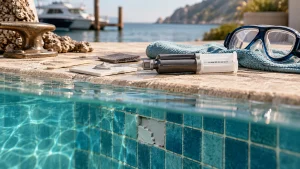
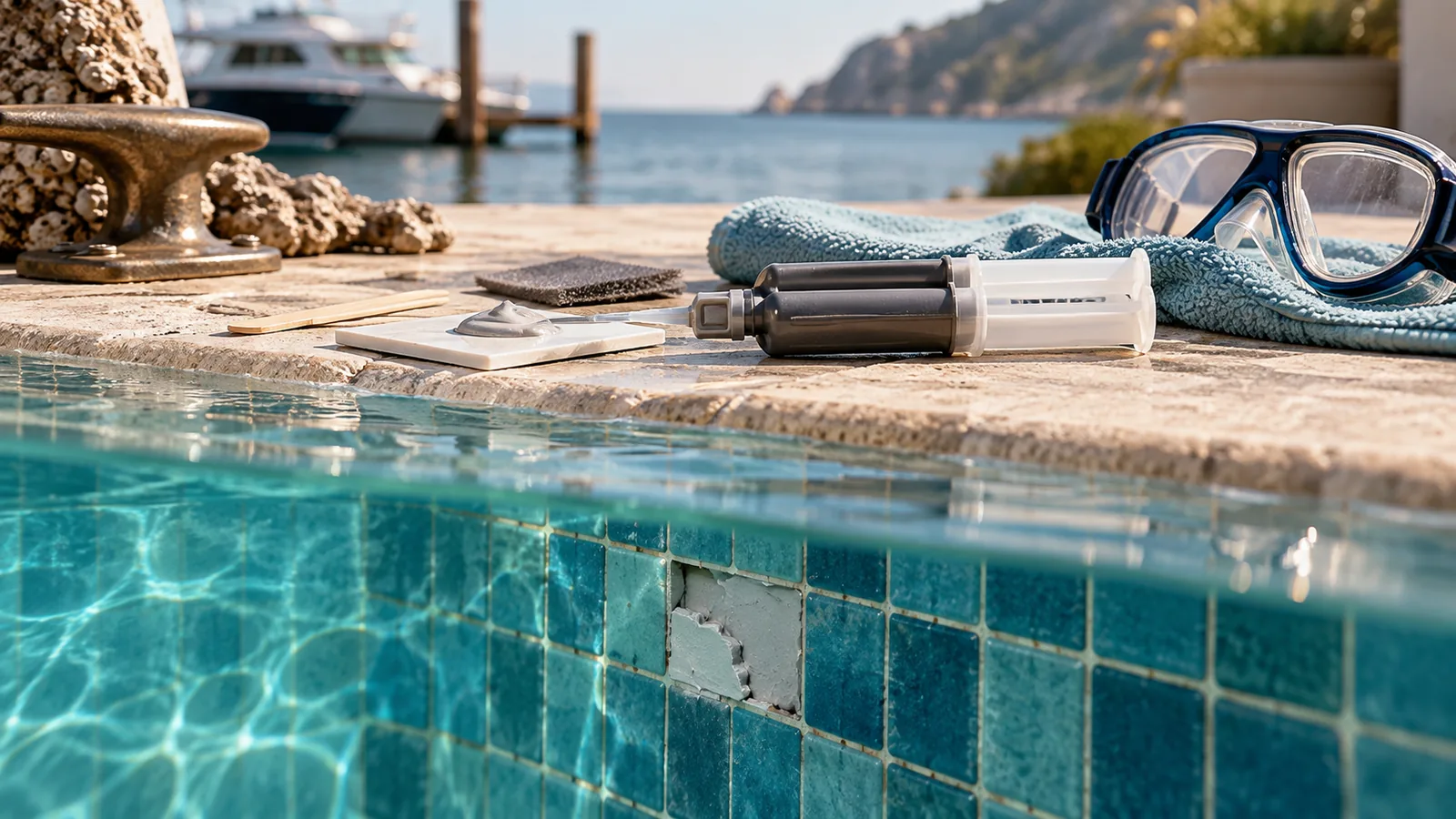
Imagine you need to fix something underwater, whether it’s a swimming pool tile or a boat repair. Regular glue just won’t cut it. That’s where underwater glue comes into play. This specialized adhesive is designed to work in wet conditions, ensuring a strong bond even when submerged.
You’ll find underwater glue incredibly useful for various applications, from home repairs to professional marine projects. It’s formulated to resist water pressure and maintain its adhesive properties, making it a reliable choice for any underwater task. Ready to jump into the world of underwater adhesives? Let’s explore how this remarkable glue can make your life easier.
Key Takeaways
- Specialized Adhesives: Underwater glue is essential for bonding in wet environments and is specifically designed to maintain strong adherence underwater.
- Applications: Underwater glue is versatile, suitable for home repairs, marine projects, industrial uses, and even biomedical applications.
- Key Properties: Effective underwater adhesives must be water-resistant, quickly curing, flexible, and non-toxic to ensure durability and safety.
- Types of Adhesives: Common underwater adhesives include cyanoacrylate, epoxy, polyurethane, and silicone, each with different water resistance, curing times, and flexibility.
- Choosing the Right Glue: Selecting the appropriate underwater glue involves considering its waterproofing ability, strength, durability, quick bonding time, and safety.
- Application Tips: Proper surface preparation, correct adhesive application, and careful setting and curing are crucial for achieving strong and lasting underwater bonds.
Importance Of Choosing The Right Underwater Glue
Choosing the right underwater glue is essential for ensuring effective bonding in wet conditions. Here’s a detailed exploration of why this choice matters:
Challenges in Underwater Bonding
The primary obstacles in underwater bonding stem from the unique environment:
- Interfacial Water: Submerged surfaces have a layer of water that makes adhesion difficult. Interfacial water reduces the surface energy needed for strong bonding.
- Cohesiveness: Most commercial adhesives, including cyanoacrylate, epoxy, and polyurethane, struggle to maintain high cohesiveness underwater. They often fail due to poor compatibility with submerged surfaces and water-induced weakening.
Applications and Needs
Underwater glues are indispensable across various sectors:
- Industrial Uses: Repairing water pipelines and attaching underwater sensors demand adhesives that can perform reliably underwater. For example, fixing a leak in a pipeline requires a robust underwater adhesive to prevent water intrusion and ensure a long-lasting repair.
- Marine Repairs: Repairing boat hulls or cracked swimming pool tiles requires glues that can resist water pressure and provide a strong bond, even when submerged.
- Biomedical: In medical settings, underwater adhesives are needed for wound sealing in moist environments or under blood. These glues must be biocompatible and provide a quick, secure bond to aid the healing process.
Key Properties of Effective Underwater Glues
Effective underwater glues should exhibit the following properties:
- Water Resistance: Ability to maintain bonding strength even when exposed to water.
- Rapid Curing: Fast setting time to reduce the impact of water exposure during the bonding process.
- Flexibility: The ability to remain flexible after curing to accommodate movements or vibrations.
- Non-Toxic: Safe for use in environments where human contact is possible, such as biomedical applications or potable water systems.
Comparison of Common Underwater Glues
Here’s a comparison of common underwater adhesives based on their properties:
| Glue Type | Water Resistance | Curing Time | Flexibility | Applications |
|---|---|---|---|---|
| Cyanoacrylate | Moderate | 10-30 sec | Low | General repairs, minor leaks |
| Epoxy | High | 5-60 min | Moderate | Structural repairs, marine projects |
| Polyurethane | High | 1-24 hours | High | Flexible joints, skincare adhesives |
| Silicone Adhesive | Very High | 24 hours | Very High | Sealing, waterproofing |
Effective underwater bonding requires a specialized approach, given the unique challenges. By choosing the right underwater glue, you ensure strong, durable repairs across various applications, from industrial settings to personal projects.
Key Features To Look For
When choosing the right glue for underwater applications, it’s essential to understand the critical factors that ensure effectiveness and reliability. Different aspects influence both the short-term and long-term performance of the adhesive.
Waterproofing
Strong underwater adhesives must resist water infiltration. Key elements contributing to waterproofing include:
- Chemical and Physical Interactions: These adhesives rely on chemical crosslinks, hydrogen bonds, and other interactions to overcome water’s interference. For instance, non-canonical phenolic polymers create ultrastrong bonds by adjusting hydroxyl groups on phenolic monomer units.
- Protein-Based Adhesives: Derived from natural proteins like soy protein and egg white, these adhesives mimic bioglues such as barnacle cement, providing enhanced stability underwater.
Strength And Durability
The longevity and robustness of underwater glue are paramount:
- Resilience: Effective adhesives maintain their properties in wet conditions and under varying water pressures.
- Material Composition: Advances in material science have introduced protein-based solutions and synthetics, ensuring strong, persistent adhesion.
Bonding Time
Rapid bonding is crucial for underwater applications to minimize downtime:
- Quick Cure Formulations: Certain adhesives cure in minutes, making them ideal for urgent repairs.
- Setting Time: Consider the specific curing times needed for your projects, ensuring they align with your operational timelines.
Safety And Non-Toxicity
Safety must be a priority, especially in environments like aquariums or biomedical settings:
- Non-Toxic Ingredients: Choose adhesives without harmful chemicals to avoid contaminating water or harming marine life.
- Biocompatibility: For biomedical uses, ensure the glue is safe for contact with tissues and does not trigger adverse reactions.
These key features ensure you select an underwater glue that performs effectively, ensuring stability, durability, and safety in wet conditions. Adjust your choice based on specific project needs, from rapid bonding times to non-toxicity requirements.
Types Of Underwater Glue
Underwater glues are crucial in maintaining strong bonds in submerged conditions. This section looks at the common types.
Epoxy
Epoxy, often favored for its strength and versatility, faces challenges underwater.
- Dry Surface Requirement: Requires a dry surface to cure effectively.
- Water Interference: Water disrupts the curing process, reducing its efficacy.
Silicone
Silicone adhesives, known for flexibility and heat resistance, struggle underwater.
- Curing Issues: They don’t adhere well to wet surfaces.
- Cohesion: Their adhesive properties diminish when exposed to water.
Polyurethane
Polyurethane glues, while robust, face difficulties immersed.
- Water Resistance: Often interacts with water rather than bonding surfaces.
- Durability: May disintegrate or lose adhesive properties underwater.
Understanding these limitations helps in selecting the right underwater adhesive. Adapt your choice based on the specific needs of your project.
Top-Rated Underwater Glues
Underwater glues offer robust solutions for adhesive needs in challenging aquatic environments. When selecting the best product, it’s essential to consider adhesion strength, versatility, and stability.
Overview Of Popular Products
Barnacle Cement-Inspired Glue
- Description: This glue emulates the adhesive properties of barnacle cement, one of the few protein-based adhesives known for strong underwater bonding. It’s synthesized from common proteins like soy protein, skim milk powder, glutenin, egg white, and serum.
- Adhesion Strength: Remarkably powerful, it can lift a 25 kg weight and support up to 75 kg across a 25 cm² bonding area.
- Versatility: Effective in various environments, including aqueous solutions, dry settings, and strong polar organic solvents like ethanol and THF.
- Stability: Exhibits robust stability under extreme conditions such as low/high temperatures, acid/base solutions, and sonication.
| Product | Adhesion Strength (kg) | Key Components | Versatility | Stability |
|---|---|---|---|---|
| Barnacle Cement-Inspired | 75 | Soy protein, skim milk powder, glutenin, egg white, serum | Works in aqueous solutions, dry conditions, and solvents like ethanol and THF | Stable in extreme temperatures, acid/base solutions, and sonication |
Pros And Cons
- Pros:
- High Adhesion Strength: Capable of supporting significant weight.
- Versatility: Functions effectively across diverse environments.
- Stability: Maintains integrity in extreme conditions.
- Cons:
- Protein-Based Composition: May not be suitable for users with specific protein allergies.
- Availability: Could be less readily available compared to synthetic options.
When selecting underwater adhesives, consider the specific needs of your project and opt for a product that balances strength, versatility, and stability. Barnacle cement-inspired glue stands out due to its exceptional adhesion and environmental robustness.
Application Tips And Techniques
In underwater adhesive projects, precision and careful planning are crucial. Proper surface preparation, correct adhesive application, and prudent setting and curing ensure strong, lasting bonds.
Preparing The Surface
Surface preparation is vital for effective adhesive bonding.
Cleanliness and Structural Integrity
- Structural Soundness: Ensure the surface is intact and stable. Weak or damaged surfaces reduce adhesive effectiveness.
- Contaminant-free: Clean surfaces thoroughly, removing waxes, oils, paints, sealers, and coatings. Use suitable cleaners to achieve contaminant-free surfaces.
- Texturing: For concrete or rough surfaces, etch or lightly grind to create a textured profile that enhances adhesive grip.
Removing Old Sealants
- Old Sealant Removal: Clear away existing sealants or coatings. Residual sealants can hinder the adhesive’s effectiveness and bonding potential.
Applying The Glue
Selecting and applying the right adhesive is essential for underwater tasks.
Choosing the Right Adhesive
- Waterproof Epoxy: Use a waterproof epoxy adhesive for underwater applications. This type of adhesive forms a durable, water-tight bond.
Examples:
- AquaGuard Super Epoxy: Known for its strong bonding capability.
- AquaBond Underwater Curing Adhesives: Products like UW-5000 and UW-5200 offer excellent underwater curing properties.
Application Process
- Uniform Application: Apply adhesive evenly to avoid weak spots.
- Pressure Application: Use consistent pressure to ensure the adhesive penetrates surface textures.
- Optimal Temperature: Ensure environmental conditions are within the adhesive’s recommended temperature range.
Setting And Curing
Proper setting and curing ensure the adhesive achieves maximum strength.
Initial Setting Time
- Clamp or Hold: Position and hold the bonded materials as recommended by the adhesive manufacturer during the initial setting phase.
Full Curing Period
- Curing Environment: Ensure the adhesive cures within the specified environment conditions, considering factors like temperature and humidity.
- Avoid Disturbance: Refrain from disturbing the bond until the full curing period completes. Movement can weaken the bond.
Summary
Achieving strong, durable bonds in underwater conditions involves careful planning and execution. Prepare the surface meticulously, apply the correct adhesive properly, and allow ample time for setting and curing. Refer to reliable products like AquaGuard Super Epoxy or AquaBond underwater adhesives to ensure successful outcomes. Follow these guidelines to enhance the effectiveness and longevity of your underwater adhesive projects.
Conclusion
Choosing the right underwater glue can make a significant difference in the success of your project. Whether you’re tackling a home repair or a professional marine task, understanding the properties and limitations of various adhesives is crucial.
With advancements in material science, options like barnacle cement-inspired glue offer remarkable adhesion and durability. Always consider the specific needs of your project, including environmental conditions and safety requirements, to ensure optimal results.
By following the recommended application techniques and selecting high-quality products, you can achieve strong, long-lasting bonds even in challenging underwater environments.
Frequently Asked Questions
What is underwater glue?
Underwater glue is a specialized adhesive designed for use in wet conditions, allowing it to bond materials even when submerged. It is ideal for applications like swimming pool repairs, boat maintenance, and other marine or water-exposed projects.
Can you use epoxy glue underwater?
Yes, some epoxy glues are specifically formulated to work underwater. These epoxies provide strong adhesion and durability, making them suitable for underwater repairs and bonding.
How does underwater glue resist water pressure?
Underwater glue resists water pressure through chemical interactions that prevent water infiltration. It maintains its bond strength even under varying pressures, ensuring long-lasting adhesion.
Is underwater glue safe for aquariums?
Yes, many underwater glues are non-toxic and safe for use in aquariums. Always check product specifications to ensure they are suitable for sensitive environments like fish tanks or biomedical applications.
What makes barnacle cement-inspired glue effective?
Barnacle cement-inspired glue mimics the strong adhesive properties of barnacle cement, providing exceptional adhesion strength underwater. It is synthesized from proteins, allowing it to function effectively in various environments, including aqueous solutions and strong solvents.
How do you apply underwater glue?
To apply underwater glue, ensure the surface is clean and free of contaminants. Apply the adhesive uniformly, and maintain optimal temperature conditions for proper curing. Follow the specific instructions provided with the adhesive for best results.
How quickly does underwater glue cure?
The curing time for underwater glue varies by product. Some adhesives offer rapid curing, minimizing downtime for underwater projects. Check the product label for detailed curing times and instructions.
What are the key properties of effective underwater glue?
Effective underwater glues should have water resistance, rapid curing, flexibility, and non-toxicity. These properties ensure strong, durable bonds in wet environments and extend the adhesive’s lifespan.
Can traditional adhesives work underwater?
Traditional adhesives often face challenges bonding underwater due to interfacial water issues and lack of cohesiveness. Specialized underwater glues are designed to overcome these challenges and provide reliable adhesion.
What is the best underwater glue for swimming pool repairs?
For swimming pool repairs, waterproof epoxy adhesives are commonly recommended due to their strong bonding capabilities and water resistance. Products like AquaGuard Super Epoxy are highly effective for such applications.
Are there any temperature conditions for underwater glue application?
Yes, maintaining optimal temperature conditions during application is crucial for proper curing and maximum bond strength. Always refer to the adhesive’s instructions for recommended temperature ranges.
What should I consider when choosing underwater glue?
Consider factors like waterproofing, strength, durability, bonding time, and safety. Select a glue that aligns with your specific project needs to ensure effective and long-lasting results.