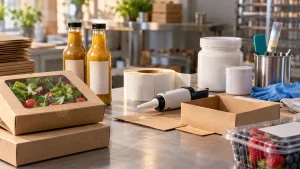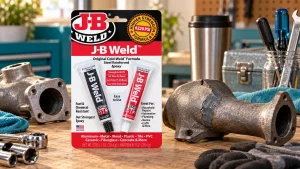
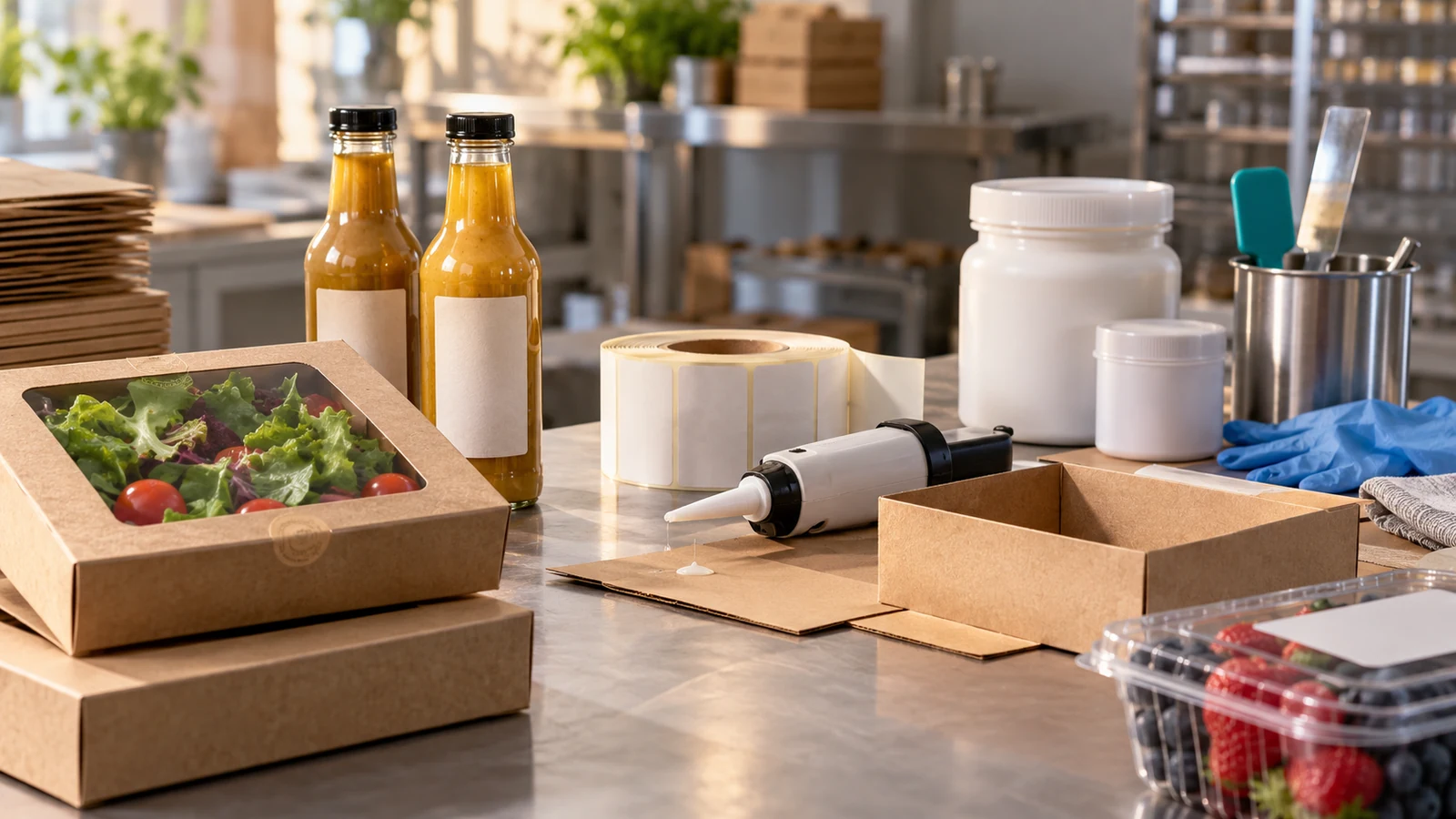
When it comes to food packaging and processing, the materials you use need to meet stringent safety standards. Foodsafe adhesives play a crucial role in ensuring that the packaging not only keeps the food fresh but also doesn’t introduce any harmful substances. From sealing cartons to labeling bottles, these adhesives are essential in maintaining the integrity and safety of food products.
Understanding the applications and safety considerations of foodsafe adhesives is vital for anyone involved in the food industry. Not all adhesives are created equal, and choosing the wrong one can lead to contamination risks and regulatory issues. By ensuring that your adhesives meet food safety standards, you protect both your customers and your brand’s reputation.
Key Takeaways
- Critical Role of Foodsafe Adhesives: Foodsafe adhesives are essential in food packaging and processing, ensuring products remain uncontaminated and safe for consumption.
- Diverse Applications: These adhesives are used in various tasks, including sealing cartons, labeling bottles, bonding cutting boards, and coating countertops.
- Safety Considerations: It’s crucial to select adhesives that are non-toxic once cured and compliant with regulatory standards such as FDA and NSF/ANSI 51 to prevent contamination and ensure safe food contact.
- Types of Foodsafe Adhesives: Common types include white glues for wood bonding, hot melt glues for packaging, and epoxies for durable surface coatings, each with specific applications and safety considerations.
- Regulatory Compliance: Always verify that adhesives meet stringent safety regulations and are labeled as foodsafe or non-toxic. Compliance helps maintain product safety and protect brand reputation.
Understanding Foodsafe Adhesives
Applications of Foodsafe Adhesives
Foodsafe adhesives play a vital role in the food industry. They ensure that products remain uncontaminated and safe for consumption. Understanding their applications helps you select the appropriate adhesive for specific needs.
Cutting Boards, Utensils, and Kitchen Items
- White Glues and Wood Glues: Use these non-toxic adhesives for bonding wood cutting boards, bowls, utensils, and chopping blocks. They ensure a safe, robust bond and allow for natural wood movement when fully cured.
Food Packaging and Prep Equipment
- Hot Melt Glues: Ideal for sealing food packaging like cereal boxes and storage containers. These adhesives also effectively bond food prep counters, trays, and appliances.
- Solution/Emulsion-Based and Solid Adhesives: Applicable in tray erection, wrap-around packaging, folding boxes, and sealing cartons and cases.
Countertops and Surface Coatings
- Epoxies: These food-safe adhesives provide durable, impervious coatings for countertops, resisting stains and heavy use damage.
Safety Considerations
Foodsafe adhesives must meet strict safety standards to prevent contamination and regulatory issues. Evaluate the following criteria when selecting an adhesive:
Non-Toxicity
- Curing Process: Ensure adhesives are non-toxic once fully cured, preventing harmful chemicals from leaching into food.
Regulatory Compliance
- FDA Approval: Confirm the adhesive complies with FDA regulations for food contact applications.
Durability and Performance
- Temperature Resistance: Choose adhesives that maintain integrity under various temperature conditions, avoiding weak bonds that could compromise safety.
Key Terms
- Foodsafe Adhesives: Adhesives that are non-toxic and meet safety standards for direct or indirect food contact.
- Hot Melt Glue: Thermoplastic adhesives that melt at high temperatures and solidify upon cooling, used in packaging and bonding applications.
- Epoxies: Resin-based adhesives providing strong, durable bonds, often used in surface coatings.
| Standard | Description | Example Adhesives |
|---|---|---|
| FDA | Regulations for materials in food contact applications | Epoxies, Hot Melt Glues |
| NSF/ANSI 51 | National standards for materials in food equipment | Food-Safe White Glues, Solution-Based Adhesives |
| EU 1935/2004 | European standards for food contact materials | Emulsion-Based Adhesives, Solid Adhesives |
Always verify that foodsafe adhesives align with your specific application and regulatory requirements. Use this knowledge to maintain both product safety and customer trust.
Common Types of Foodsafe Adhesives
Understanding the various types of foodsafe adhesives ensures you can make informed decisions when selecting the appropriate adhesive for specific applications. Below are some common types of foodsafe adhesives and their relevant safety considerations.
White Glue
Formulation: White glue, typically based on polyvinyl acetate (PVA) emulsions, is non-toxic once fully cured if specifically labeled as foodsafe.
Applications: Used for bonding porous materials like wood. Ideal for kitchen items such as cutting boards, utensils, and bowls.
Safety Considerations:
- Verify the glue is labeled as foodsafe or non-toxic.
- Ensure proper curing to avoid contamination risks.
Hot Melt Glue
Formulation: Made from materials such as ethylene-vinyl acetate (EVA) or polyethylene, foodsafe hot melt adhesives contain no harmful chemicals.
Applications:
- Common in food packaging and bottling.
- Utilized in the assembly of food preparation items.
- Maintains integrity in flexible packaging, ensuring food safety.
Safety Considerations:
- Confirm the absence of harmful chemicals in the formulation.
- Check for foodsafe labeling to comply with safety standards.
Cyanoacrylate (Super Glue)
Formulation: Cyanoacrylate glues, known for their strong bonding capabilities, should be specifically formulated for foodsafe applications.
Applications:
- Suitable for small-scale repairs.
- Useful in bonding ceramics, plastics, and metals found in kitchen tools or appliances.
Safety Considerations:
- Ensure it’s specifically labeled as foodsafe.
- Be cautious of potential toxicities if the adhesive isn’t marked suitable for food contact.
Safety Summary
Adopt the following steps to ensure the safe use of foodsafe adhesives:
- Label Verification: Always check for foodsafe or non-toxic labeling.
- Proper Curing: Allow adhesives to fully cure to prevent contamination.
- Material Compatibility: Ensure the adhesive matches the specific material used in your kitchen items.
- Regulatory Compliance: Validate that the adhesive complies with relevant FDA standards.
Ensuring the adhesives used in food-related applications meet safety standards protects both customer safety and brand reputation.
Applications of Foodsafe Adhesives
Using foodsafe adhesives in various aspects of food processing and packaging ensures product safety and regulatory compliance. These adhesives must meet stringent standards to prevent contamination and protect consumer health.
Food Packaging and Prep Equipment
Food-safe adhesives play a crucial role in the packaging and preparation of food products.
- Regulatory Compliance: Adhesives must comply with FDA regulations, specifically sections 175.105 and 175.300. These sections outline approved substances and raw materials for food contact applications. Compliance ensures adhesives don’t pose health risks.
- Hot Melt Adhesives: Commonly used in food packaging, hot melt adhesives offer rapid bonding properties. They need FDA approval for direct and indirect food contact.
- Application Techniques: Proper application, including correct temperature settings and curing times, is essential. Regular maintenance of equipment prevents contamination and ensures a secure bond.
Cutting Boards and Utensils
Foodsafe adhesives are critical for bonding materials used in cutting boards and utensils.
- Non-Toxic Glues: White glue and wood glue are popular for bonding wooden cutting boards and utensils. Ensure these glues are non-toxic after curing to prevent food contamination.
- Durability: The adhesives must withstand frequent washing and varying temperatures. Durable bonds ensure the longevity and safety of kitchen tools.
Countertops and Surface Coatings
Adhesives are essential in creating durable surfaces in food preparation areas.
- Epoxy Coatings: Used for countertops, epoxies provide a strong, food-safe surface. Ensure they meet FDA regulations for food contact materials.
- Application Considerations: Proper mixing and curing are critical to achieving a durable finish. Ensure the work area is free from contaminants during the application.
Key Terms
Food-Safe Adhesives: Adhesives that meet regulatory standards for direct and indirect food contact.
Regulatory Compliance: Adhering to laws and regulations designed to ensure safety.
Hot Melt Adhesives: Adhesives that are solid at room temperature and become liquid when heated.
Epoxy: A type of polymer used in coatings and adhesives, known for its strong bonding properties.
| Adhesive Type | Application | FDA Compliance | Key Properties |
|---|---|---|---|
| Hot Melt Adhesives | Food Packaging | Sections 175.105, 175.300 | Rapid bonding, heat resistance |
| White Glue | Wooden Cutting Boards, Utensils | Non-toxic after curing | Strong bond, non-toxic |
| Epoxy | Countertops, Surface Coatings | Food contact surfaces | Durable finish, chemical resistance |
Regularly verify that adhesives align with specific applications and regulatory requirements. By prioritizing safety and compliance, you protect customer health and uphold brand reputation.
Safety Considerations
When using food-safe adhesives, understanding safety considerations is crucial for maintaining product integrity. Ignoring these factors can lead to contamination and regulatory issues, jeopardizing customer safety and trust.
Direct vs Indirect Food Contact
Adhesives can come into direct or indirect contact with food. Direct contact implies the adhesive touches the food, while indirect contact involves the adhesive only touching the packaging or equipment.
Key Points:
- Direct Contact: Adhesives must be non-toxic and safe for ingestion.
- Indirect Contact: Adhesives must resist contamination and migration into food.
Examples:
- Direct Contact: Glue used on a cutting board surface.
- Indirect Contact: Adhesive sealing a cereal box.
Health Implications
Using incorrect adhesives in food applications can pose serious health risks. Some adhesives may release harmful chemicals, risking food safety.
Risks:
- Chemical Leaching: Certain adhesives may leach harmful substances into food.
- Bacterial Growth: Improperly cured adhesives can harbor bacteria and mold.
Regulatory Standards
Compliance with regulatory standards ensures adhesives are safe for food-related applications. The FDA regulates adhesives under specific sections to prevent health hazards.
FDA Regulations:
- Sections 175.105 and 175.300: These sections cover adhesives and coatings suitable for food contact.
- Compliance Check: Always verify that adhesives comply with FDA standards for the intended application.
Requirements:
- Non-toxicity: Adhesives should not release harmful chemicals.
- Durability: Adhesives must withstand temperature variations without degrading.
Actions
- Verify Labeling: Check adhesive packaging for FDA compliance labels.
- Test Compatibility: Ensure adhesives are compatible with materials in your specific use case.
- Follow Application Guidelines: Adhere to manufacturers’ instructions for curing and application.
Summary:
Ensuring the safety of food-safe adhesives is pivotal. Always consider direct vs indirect food contact, health implications, and regulatory standards. Verifying compliance and proper use protects consumer health and maintains brand integrity.
Approved and Certified Standards
Food-safe adhesives are crucial for the food industry, ensuring that products remain uncontaminated and safe for consumption. Adhering to approved and certified standards is essential to comply with regulatory requirements and uphold product safety.
FDA Food Contact Approval
The FDA regulates adhesives used in food packaging to ensure they don’t pose health risks. Under sections 175.105 and 175.300 of the food contact substance regulations, adhesives must meet strict guidelines:
- Formulation Criteria: Adhesives must be made from pre-approved raw materials.
- Application Rules: Must comply with specific application rules to prevent contamination.
- Safety Assurance: Designed to not have a technical effect on food they contact.
Understanding and adhering to these guidelines helps maintain the safety and integrity of food products.
NSF/ANSI 51 Certification
NSF/ANSI 51 certification applies to materials used in food equipment. This certification indicates that adhesives meet high safety and hygiene standards:
- Surface Contact: Ensures adhesives are safe for surfaces coming into direct contact with food.
- Safety Standards: Meets stringent safety and hygiene benchmarks.
- Compliance Verification: Regular audits and tests confirm compliance with these standards.
Having NSF/ANSI 51 certification provides assurance that your adhesive products are up to industry safety standards.
Non-Toxic and Food Grade Labels
Adhesives suitable for food applications often carry labels like non-toxic, food grade, or safe for food use:
- Non-Toxic: Indicates the adhesive won’t release harmful substances into food.
- Food Grade: Ensures the adhesive is safe for direct or indirect food contact.
- Safe for Food Use: Confirms compatibility with food applications, reducing contamination risks.
When selecting adhesives, look for these labels to ensure their safety in food-related applications.
| Standard | Description | Key Requirements |
|---|---|---|
| FDA 175.105/175.300 | Regulations for adhesives in food packaging | Must use pre-approved materials, comply with application rules, and ensure no contamination |
| NSF/ANSI 51 | Certification for materials used in food equipment | Safe for direct food contact, meets safety and hygiene standards, regular compliance verifications |
| Non-Toxic/Food Grade Labels | Indicate safety of adhesives for food applications | Must not release harmful substances, safe for direct/indirect contact, compatible with food applications |
Maintaining compliance with these standards is vital for ensuring the safety and quality of food products. Check for these certifications and labels when choosing adhesives to avoid contamination and regulatory issues.
Choosing the Right Foodsafe Adhesive
When selecting a food-safe adhesive, it’s crucial to understand the regulatory framework, types of adhesives available, and their applications in the food industry. Each type comes with specific properties suited for different tasks, ensuring both functionality and safety.
Regulatory Framework
Food-safe adhesives must comply with stringent regulations. The U.S. Food and Drug Administration (FDA) regulates these adhesives under Title 21 of the Code of Federal Regulations (C.F.R.), specifically Section 175.105. This regulation lists approved formulations for various types of adhesives, ensuring they meet safety standards for food contact applications.
Types of Food-Safe Adhesives
Hot Melt Adhesives
Hot melt adhesives are widely used in food packaging, bottling, and assembling food prep items.
- Approved Use Cases: Food packaging, bottling, food prep item assembly.
- Composition: Formulated from ethylene-vinyl acetate (EVA) or polyethylene without added chemicals.
- FDA Compliance: Must be FDA-approved for direct and indirect food contact.
Epoxy Adhesives
Epoxy adhesives are ideal for equipment and machinery in food production and packaging.
- Properties: Strong, durable adhesion; resistant to bacteria and mold growth.
- Applications: Food production equipment, packaging machinery.
- FDA Compliance: Required to ensure no harmful contamination.
Key Terms
FDA Compliance:
Adherence to regulations set by the U.S. Food and Drug Administration for materials in contact with food.
Direct Food Contact:
Adhesives coming directly into contact with food, requiring non-toxic formulations.
Indirect Food Contact:
Adhesives not directly contacting food but still needing resistance to contamination and migration.
Applications and Safety Considerations
When choosing a food-safe adhesive, consider its specific applications and related safety measures.
- Verify FDA Approval: Check if the adhesive complies with Title 21 C.F.R. Section 175.105.
- Assess Non-Toxicity: Ensure the adhesive remains non-toxic after curing.
- Check Compatibility: Verify that the adhesive is compatible with the materials used in food processing or packaging.
- Evaluate Durability: Confirm the adhesive can withstand temperature variations and exposure to food products.
Detailed Data Table
| Adhesive Type | Applications | Composition | FDA Compliance | Key Properties |
|---|---|---|---|---|
| Hot Melt | Food packaging, bottling, food prep assembly | EVA or polyethylene, no additives | Yes | Quick setting, durable |
| Epoxy | Food production equipment, packaging machinery | Epoxy resins | Yes | Strong adhesion, bacteria resistance |
Action Point
To ensure safety and compliance, always choose adhesives with explicit FDA food contact approval, validate material compatibility, and follow application guidelines diligently. By adhering to these steps, you can maintain product safety and consumer trust effectively.
Conclusion
Exploring the complexities of food-safe adhesives is essential for anyone in the food industry. By understanding their applications and safety considerations, you can ensure your products remain safe and compliant with stringent regulations. Always verify FDA approval and test for material compatibility to avoid contamination risks.
Selecting the right adhesive not only protects consumer health but also upholds your brand reputation. Stick to certified standards and follow application guidelines meticulously. Remember, the right choice of adhesive can make a significant difference in maintaining food safety and customer trust.
Frequently Asked Questions
What Exactly is a Food-Safe Adhesive?
A food-safe adhesive is defined as a material used in manufacturing or packaging food that does not contaminate or affect the food’s safety. These adhesives must comply with strict FDA regulations to prevent contamination and health risks.
Why Are Food-Safe Adhesives Important?
Food-safe adhesives are essential to maintaining food safety and freshness. They prevent contamination and ensure compliance with health regulations, thus protecting consumer health and upholding brand reputation in the food industry.
Which Adhesives Are Approved by the FDA as Food-Safe?
The FDA’s regulations, particularly sections 175.105 and 175.300, list approved formulations of hot melt glues, epoxies, silicone adhesives, and other types. It is crucial to verify that any adhesive used has received formal FDA approval.
What Applications Do Food-Safe Adhesives Have?
Food-safe adhesives are used in various applications, including bonding materials in food packaging, sealing containers, and providing durable coatings for food preparation surfaces, such as countertops and cutting boards.
What Are the Key Safety Considerations for Food-Safe Adhesives?
Key considerations include ensuring non-toxicity after curing, regulatory compliance, and durability under varying temperature conditions. It’s vital to verify FDA approval, test material compatibility, and follow application guidelines.
What Is the Difference Between Direct and Indirect Food Contact?
Direct food contact adhesives come into direct contact with food. Indirect food contact adhesives may come into contact with food indirectly, for example, by being part of the packaging. Both types must meet specific safety standards to prevent contamination.
What Are the Health Implications of Using Incorrect Adhesives?
Using non-compliant adhesives can lead to chemical leaching and bacterial growth, posing severe health risks. Compliance with FDA regulations ensures adhesives do not adversely affect food safety.
How Can Companies Ensure Adhesives Are FDA Compliant?
Companies should verify labeling for FDA compliance, test adhesives for material compatibility, and follow outlined application guidelines. Adherence to FDA and NSF/ANSI 51 certification standards is critical to ensuring safety.
What Are the Most Common Types of Food-Safe Adhesives?
Common types include white glue, hot melt glue, and cyanoacrylate (super glue). Each type has unique formulations and applications, and it is essential to choose the appropriate adhesive based on specific needs and regulatory compliance.
What Is a Functional Barrier in Food Packaging?
A functional barrier is used to prevent contaminants from reaching the food. Examples include high-density polyethylene bags used in cereal packaging to protect food from contact with ink, adhesives, and environmental factors.
What Regulatory Standards Must Food-Safe Adhesives Meet?
Food-safe adhesives must comply with stringent FDA regulations, specifically Title 21 of the Code of Federal Regulations. Adhesives must be verified for FDA compliance, non-toxicity, and material compatibility to ensure safety.