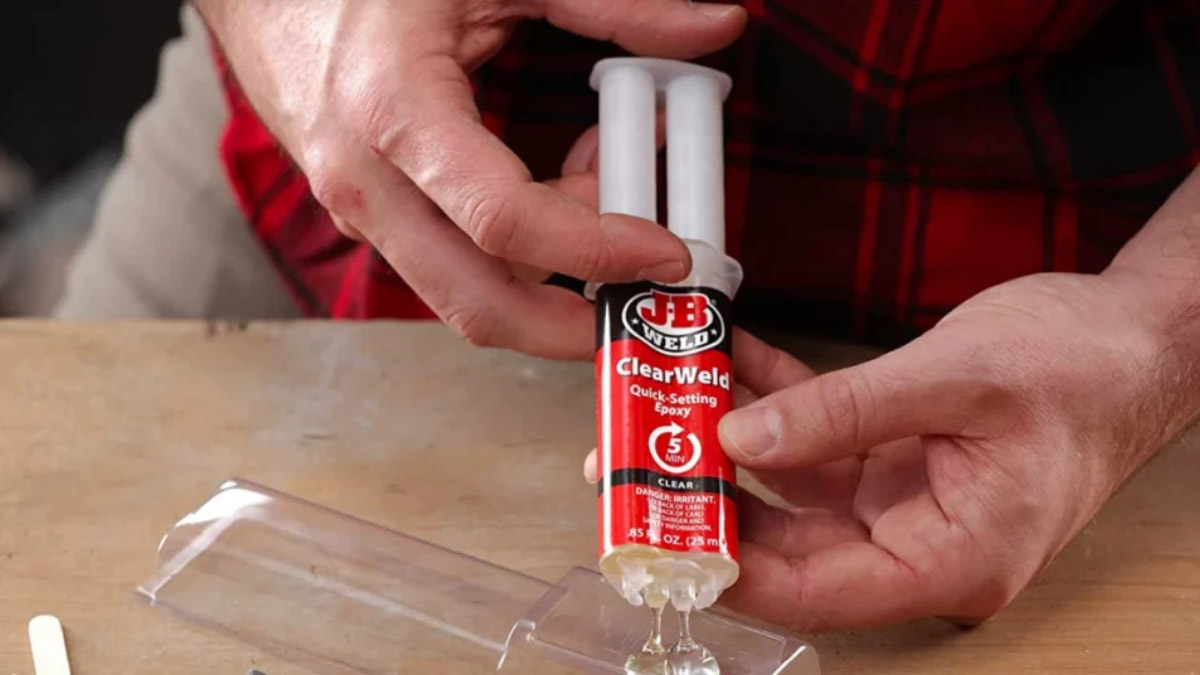
Do not treat ordinary J-B Weld as automatically suitable for direct food contact. A statement that a cured adhesive is non-toxic does not establish approval for a food-contact repair under heat, washing or repeated use. Check the exact formulation and intended use; replacement or a documented food-contact repair system is the safer choice for damaged utensils.
When it comes to repairing kitchen appliances or utensils, you might wonder if JB Weld is a safe option. This popular adhesive is known for its strength and versatility, but can it be trusted around food? Understanding the safety of JB Weld in food-related applications is crucial for ensuring your health and peace of mind.
In this text, we’ll explore whether JB Weld is food safe, examining its components and any potential risks. By the end, you’ll have a clear understanding of when and how to use this adhesive in your kitchen projects.
Key Takeaways
- Non-Toxic After Curing: J-B Weld becomes non-toxic once fully cured but is not certified safe for direct food contact.
- Not Food-Grade: J-B Weld lacks FDA certification for food-grade applications, making it unsuitable for surfaces that come into direct contact with food.
- Manufacturer Recommendations: The manufacturer advises against using J-B Weld for repairs involving direct food contact.
- Alternatives for Food-Safe Repairs: Use only a repair system documented for the exact food-contact conditions, or replace the damaged item; generic silicone, epoxy and polyurethane categories are not automatically approved.
- Health and Safety Considerations: To ensure safety, avoid using J-B Weld on surfaces that touch food, follow proper curing times, and be mindful of temperature exposures.
- Expert Opinions: Experts suggest adhering to manufacturer recommendations and opting for certified food-safe products for kitchen repairs.
Is J-B Weld Food Safe?
Understanding Food-Safe Materials
Food-safe materials are critical in kitchen applications to ensure health and safety. Food-contact compliance applies to specific substances and intended conditions of use; it does not mean universal certification or zero migration. Items such as stainless steel, certain plastics, and ceramics often meet these standards.
J-B Weld Composition
Chemical Composition
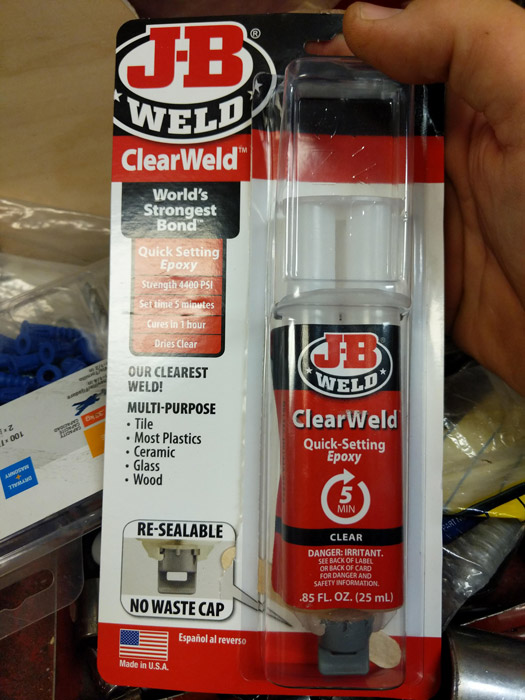
J-B Weld contains epoxy resins and hardening agents. The manufacturer describes the cured product as non-toxic but does not recommend direct food or beverage contact.
Non-Toxic But Not Food-Grade
J-B Weld products, including J-B Weld Original and J-B KwikWeld, become non-toxic upon curing. But, they lack FDA approval for food-grade applications.
Manufacturer Recommendations
The manufacturer of J-B Weld specifies that their products should not be used for repairs involving direct food contact. They advise employing J-B Weld on surfaces where it will not come into direct contact with food.
Key Points summarizing
- Non-Toxic After Curing: Safe in non-food applications.
- Not Food-Grade: Lacks FDA certification for food contact.
- Manufacturer’s Advice: Avoid using in food-related repairs.
Alternatives for Food-Safe Repairs
For food-related repairs, consider using materials specifically certified as food-safe. Here are some options:
- Food-Grade Silicone Sealants: Safe and flexible for various applications.
- Stainless Steel Epoxy: Often used in food processing industries.
- Polyurethane Adhesives: Some variants are food-safe and durable.
Safety Data Table
| Product | Documented food-contact suitability | Usage Recommendation |
|---|---|---|
| J-B Weld Original | No | Non-food contact repairs |
| J-B KwikWeld | No | Non-food contact repairs |
| Food-Grade Silicone | Verify exact formulation and intended use | Direct food contact repairs |
| Stainless Steel Epoxy | Verify exact formulation and intended use | Direct food contact repairs |
| Polyurethane Adhesive | Verify exact formulation and intended use | Some variants for food repairs |
Action Point
When repairing kitchen appliances or utensils, choose materials certified as food-safe. Compliance must cover the intended use; it is not a promise of zero migration.
Understanding these distinctions helps in making informed decisions about using appropriate materials for kitchen repairs.
Understanding J-B Weld
J-B Weld is a two-part epoxy adhesive known for its strong and durable bond. It’s widely used for various repair applications. But, comprehending its properties and limitations, especially in food-related contexts, is crucial for safe usage.
Key Properties of J-B Weld
Non-Toxic:
Once fully cured, J-B Weld is non-toxic. The manufacturer’s non-toxic-after-cure description is not a zero-migration guarantee or approval for direct food contact.
Example: You can safely handle a repaired item after the epoxy has cured.
Durable:
J-B Weld forms a strong, long-lasting bond. It can repair metal, wood, plastic, and ceramic items effectively.
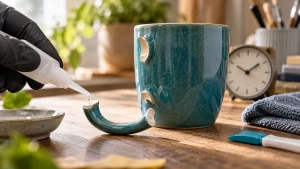
Example: Fixing a cracked metal pipe or a broken ceramic mug handle.
Not Food-Safe:
J-B Weld is not certified for direct contact with food. The FDA hasn’t approved it for food-related applications.
Example: Avoid using it on utensils or plates that will touch food directly.
Usage on Food-Related Items
Pots and Pans:
You can use J-B Weld for external repairs on pots and pans. Ensure no epoxy touches the food surface.
Example: Sealing a crack on the outer surface of a pot.
Teapots and Kitchen Utensils:
Using J-B Weld on items that come into direct contact with food is not recommended.
Example: Avoid repairing a broken spoon or teapot with J-B Weld.
Specific Products
WaterWeld:
WaterWeld, a J-B Weld product, is designed for potable water tanks. It’s safe in certain water-related uses but not universally food-safe.
Example: Suitable for fixing a leak in a water tank but not for repairing a food container.
| Product | Application | Food-Safe Certification |
|---|---|---|
| J-B Weld | General repairs | No |
| WaterWeld | Potable water tanks | No |
Curing and Safety
J-B Weld must be fully cured to ensure safety. Follow these steps:
- Mix equal parts of the two components until uniform.
- Apply to the clean, dry surface.
- Allow curing for at least 15 hours.
Ensure it’s completely cured before handling.
Using J-B Weld safely involves understanding its properties and limitations. For food-related repairs, choose certified food-safe alternatives to avoid health risks.
Composition and Properties
Understanding the composition and key characteristics of J-B Weld helps you decide its suitability for various applications, particularly those involving food.
Chemical Composition
J-B Weld comprises two main components: epoxy resin and a hardening agent. These components interact to create a strong, durable bond. Below are the key elements:
- Epoxy Resin: A thermosetting polymer that provides excellent adhesive properties.
- Hardening Agent: Typically a polyamine or anhydride that initiates the curing process when mixed with the epoxy resin.
While these substances become non-toxic once fully cured, they aren’t rated as food-safe by the FDA. Manufacturers explicitly advise against their use in direct food contact applications.
Key Characteristics
J-B Weld is popular for its versatility and strong bonding properties. Here are its notable features:
- Temperature Resistance: It can withstand high temperatures. For instance, the Original J-B Weld tolerates temperatures up to 316°C for short periods and continuously handles 260°C.
- Durability: Known for creating long-lasting repairs, J-B Weld can endure significant mechanical stress.
- Chemical Resistance: Resists various chemicals, including petroleum and other harsh substances, making it ideal for automotive and industrial repairs.
Here’s a detailed table summarizing J-B Weld’s key characteristics:
| Feature | Description |
|---|---|
| Temperature Resistance | Up to 316°C for short periods and 260°C continuously |
| Durability | Strong, long-lasting bond |
| Chemical Resistance | Tolerates petroleum, various acids, and bases |
| Curing Time | Generally requires 4-6 hours to set and 15-24 hours to cure fully |
| Tensile Strength | Up to 3960 PSI, providing robust performance |
J-B Weld’s properties highlight its capability for diverse repairs but underscore why it’s unsuitable for direct food contact. Always consider food-safe alternatives for kitchen-related repairs.
Regulatory Compliance
When considering the use of J-B Weld in food-related applications, it’s crucial to understand the regulatory requirements governing such materials.
Definitions
Non-Toxic:
J-B Weld describes fully cured product as non-toxic but does not recommend direct food or beverage contact.
Food-Safe:
Materials with documented authorization or compliance for the particular food-contact conditions.
Key Regulatory Insights
- Non-Toxic but Not Certified Food-Safe: J-B Weld describes the fully cured product as non-toxic; that statement does not establish zero migration or food-contact approval. But, it lacks certification for direct food contact by food safety authorities such as the FDA. This distinction means you shouldn’t use it on surfaces that will touch food or beverages.
- FDA Certification: For a product to be considered food-safe, it must meet the FDA’s stringent guidelines. Compliance depends on the precise substance, manufacturer where applicable, food type and conditions of use. J-B Weld does not meet these standards, so its use is limited to non-contact applications.
Usage Recommendations
- Repaired Items With Indirect Contact: You can use J-B Weld for repairing handles, knobs, or external components of kitchenware, where the epoxy won’t directly touch food.
- Prohibited Direct Contact Repairs: Avoid using J-B Weld for surfaces like cutting boards, utensil tips, or any area in direct contact with food. Even if the risk is low, the possibility of contaminants leaching exists.
Data Table on Regulatory Compliance
| Criteria | J-B Weld | Food-Safe Certified Alternatives |
|---|---|---|
| Documented food-contact suitability | No | Not established by generic material name |
| Non-Toxic When Cured | Verify exact formulation and intended use | Verify exact formulation and intended use |
| Suitable for Direct Food Contact | No | Verify exact formulation and intended use |
| Application Temperature Resistance | Up to 316°C | Varies |
- Choose Certified Materials: For repairs where direct food contact is unavoidable, opt for materials certified by the FDA or other food safety authorities. Require the exact formulation’s intended-use documentation; these material categories alone do not establish suitability.
- Verify Product Labels: Always check product labels and certifications before using adhesives in food-related contexts. Request the applicable authorization or compliance statement and verify its contact, temperature and cleaning limits.
Understanding regulatory compliance ensures the safety of your food-related repairs, leveraging the strengths of J-B Weld while adhering to safety norms. Make informed choices to keep your kitchen repair projects safe and compliant.
Common Applications
J-B Weld is widely known for its strong and durable bonding capabilities. But, its application varies significantly based on whether the project involves food contact or other more industrial uses.
Food-related Uses
- Non-Toxic but Not Certified Food-Safe:
J-B Weld becomes non-toxic once fully cured but lacks FDA certification for direct contact with food.
Important Facts:
- Non-Toxic: The manufacturer’s cured-state description does not establish direct food-contact suitability.
- Not Food-Safe: Manufacturer does not rate ordinary products for direct food contact.
- Limited Exposure:
Although the manufacturer advises against using J-B Weld in areas with direct food contact, some use it where food exposure is minimal.
Risk Consideration:
- Minimal Exposure: Use at your discretion when food contact is rare.
- Alternative Products:
For repairs involving direct food contact, it’s best to use products specifically certified as food-safe by relevant authorities.
Recommendations:
- WaterWeld: Suitable for potable water tanks.
- Food-Grade Silicone Sealant: Safe for direct food contact.
- Stainless Steel Epoxy, Polyurethane Adhesives: Generic names do not establish food-contact approval; verify the exact product and use.
Non-food-related Uses
- High Heat Applications:
J-B Weld excels in high-heat environments making it suitable for various tough mechanical repairs.
Applications:
- Exhaust Systems: Repair cracks, holes.
- Engines: Withstand temperatures up to 600°F (316°C).
- Furnaces: Handles regular high-heat cycles.
- Multipurpose Repair:
Beyond heat, its versatility makes J-B Weld useful in different household and industrial contexts.
Utility:
- Metal: Fix broken metal pieces.
- Wood: Bond wooden components.
- Ceramics: Repair cracked ceramic items.
- Plastic: Use on various plastic materials excluding Polyethylene (PE) and Polypropylene (PP).
- Exterior Repairs:
J-B Weld suits external areas of cookware or appliances where food contact isn’t a concern.
Examples:
- Handles: Secure loose handles.
- Knobs and Hinges: Reattach or reinforce.
- Decorative Elements: Refix non-critical parts.
| Property | J-B Weld | WaterWeld | Food-Grade Silicone | Stainless Steel Epoxy | Polyurethane Adhesive |
|---|---|---|---|---|---|
| Non-Toxic Post Cure | Verify exact formulation and intended use | Verify exact formulation and intended use | Verify exact formulation and intended use | Verify exact formulation and intended use | Verify exact formulation and intended use |
| Food-contact suitability for intended use | No | No | Verify exact formulation and intended use | Verify exact formulation and intended use | Verify exact formulation and intended use |
| Max Temperature | 600°F (316°C) | 300°F (148°C) | Varies | Check exact product data | Varies |
| Water Resistance | High | High | High | Moderate | High |
| Common Applications | Engines, Metals | Potable Water | Food Contact Areas | Metal Repairs | Multipurpose |
Ensuring safety and durability in any repair project requires choosing the right materials suited for the specific application, particularly where food contact is involved. This careful selection promotes health and compliance with safety standards.
Health and Safety Considerations
JB Weld is a popular adhesive known for its strength and versatility. When used in kitchen repairs, especially those involving food, it’s vital to consider health and safety implications.
Potential Risks
Even though being non-toxic once fully cured, JB Weld poses certain risks if used for food-related repairs. The primary concern involves chemical leaching into food or beverages. Food-contact suitability should be judged from manufacturer documentation and intended-use approval, not an unsupported chemical-conversion claim. Using JB Weld for areas in direct contact with food could lead to issues, particularly when not fully cured or exposed to high temperatures.
Safety Precautions
- Avoid Direct Contact: Avoid using JB Weld on surfaces that touch food directly.
- Check Temperature Exposure: High temperatures can weaken JB Weld, causing potential contamination.
- Use Alternatives: Consider food-safe alternatives like food-grade silicone sealants or stainless steel epoxy for direct food contact repairs.
- Follow Instructions: Ensure proper curing times and methods to minimize risk.
Definition List:
- Epichlorohydrin: A chemical in JB Weld that can convert to BPA.
- Non-Toxic: Not harmful if not ingested.
- Food-Safe: Certified for direct contact with food.
| Product | Intended-use approval | Application |
|---|---|---|
| Food-Grade Silicone Sealant | Verify exact formulation and intended use | Direct contact with food surfaces |
| Stainless Steel Epoxy | Verify exact formulation and intended use | High-strength food contact repairs |
| Polyurethane Adhesive | Verify exact formulation and intended use | Versatile food-safe repairs |
Taking these precautions and understanding the potential risks, JB Weld can be safely used for non-food contact repairs in the kitchen.
Expert Opinions and Practical Examples
To ensure safe usage of adhesives in food-related applications, understanding expert opinions on J-B Weld’s food safety is crucial. Various experts highlight key points about the product:
Non-Toxic but Not Food-Safe:
- Non-Toxic: J-B Weld is non-toxic when fully cured.
- Food-Safe Certification: It lacks FDA certification for direct food contact.
Manufacturer’s Recommendations:
- Usage Warning: The official FAQ warns against using J-B Weld on surfaces that touch food.
- Advised Applications: Recommended for non-food applications only.
Practical Examples and Concerns: Users have shared experiences and concerns about J-B Weld in food contact scenarios:
- Coffee Press Repair: Some users have used J-B Weld to fix coffee presses but acknowledge the risk.
- Teapot Fixes: Users repairing teapots find uncertified products risky.
Data Table: J-B Weld’s Food Safety Summary
| Aspect | Details |
|---|---|
| Toxicity (Post-Cured) | Non-toxic |
| Food Safety Certification | Not certified by the FDA |
| Manufacturer Recommendations | Not for surfaces in direct contact with food |
| User Concerns | Risk of using on food-contact areas |
| Examples | Coffee press, teapot repairs |
Key Terms Defined
Epoxy Resin: A polymer used in adhesives and coatings known for strong bond and durability.
Hardening Agent: A chemical that reacts with epoxy resin to solidify the adhesive.
FDA Certification: Regulatory status for a specific substance and intended use; generic material names do not establish approval.
Practical Suggestions
- Follow Recommendations: Use J-B Weld only in non-food contact scenarios.
- Ensure Safety: Opt for food-safe certified adhesives like food-grade silicone sealants for food-related repairs.
Summary
By understanding the non-toxic nature but lack of food safety certification of J-B Weld, you can make informed decisions for kitchen repairs. Always adhere to manufacturer guidelines and prefer certified products for direct food contact applications.
Conclusion
When it comes to repairing kitchen appliances and utensils, it’s crucial to prioritize safety and compliance with food contact regulations. While JB Weld offers a strong and durable bond, it isn’t certified for direct food contact. Replace the item or obtain a repair system documented for the precise food-contact conditions.
Always follow manufacturer recommendations and choose materials specifically certified as food-safe. This ensures that your kitchen repairs are not only effective but also safe for you and your family. Remember, the right choice of adhesive can make a significant difference in maintaining health and safety in your kitchen.
Frequently Asked Questions
Is JB Weld safe for food contact after curing?
No, JB Weld is not considered food-safe. Although it is non-toxic once fully cured, it lacks FDA certification for direct food contact. Avoid using it on surfaces directly exposed to food.
Can I repair my kitchen utensils with JB Weld?
JB Weld is not recommended for kitchen utensils that come into direct contact with food. It is better suited for non-food contact repairs, like fixing handles or external parts of pots and pans.
What is a better alternative to JB Weld for food-related repairs?
For direct food-contact repairs, require documentation for the exact adhesive, contact type, temperature and cleaning conditions. A generic material name is not proof of approval; replace the item when suitability cannot be established.
What are the main components of JB Weld?
JB Weld is a two-part epoxy adhesive, primarily composed of epoxy resin and a hardening agent. These components make it strong, durable, and resistant to high temperatures and chemicals.
Is JB Weld toxic if it gets into food?
While JB Weld is non-toxic after curing, it isn’t certified food-safe. Using it on food-contact surfaces can pose risks of chemical leaching, potentially impacting health. Always opt for certified food-safe materials for such applications.
Can I use JB Weld on a pot or pan?
Yes, you can use JB Weld for external repairs on pots and pans. Ensure the epoxy does not come into direct contact with any surfaces that touch food to avoid contamination.
Does JB Weld withstand high temperatures?
Yes, JB Weld can resist temperatures up to 316°C for short periods. This makes it suitable for various non-food-related high-temperature applications.
Should I follow any precautions when using JB Weld?
Yes, handle JB Weld with adequate ventilation and avoid inhaling dust. Also, follow the manufacturer’s instructions to ensure proper curing and safety.
How do food-safe and non-toxic materials differ?
Food-contact authorization concerns a specific substance and intended conditions of use. A general non-toxic description is not a substitute for that documentation. Always use food-safe materials for surfaces that come into contact with food.
Is WaterWeld a safer option for kitchen repairs?
WaterWeld, a JB Weld product, is designed for potable water tanks and may be safer for water-related uses. However, it is not universally food-safe and should still be used cautiously in food-related contexts.
Where would the repaired adhesive contact food?
| Situation | Approach | Check before proceeding |
|---|---|---|
| Inside cup, bowl or utensil | Replace or use specifically approved system | Direct repeated food contact needs documentation |
| External nonfood component | Evaluate exact adhesive and service conditions | Keep repaired area separate from food |
| Heat, dishwasher or beverage exposure | Check complete service approval | Cure alone is not enough evidence |
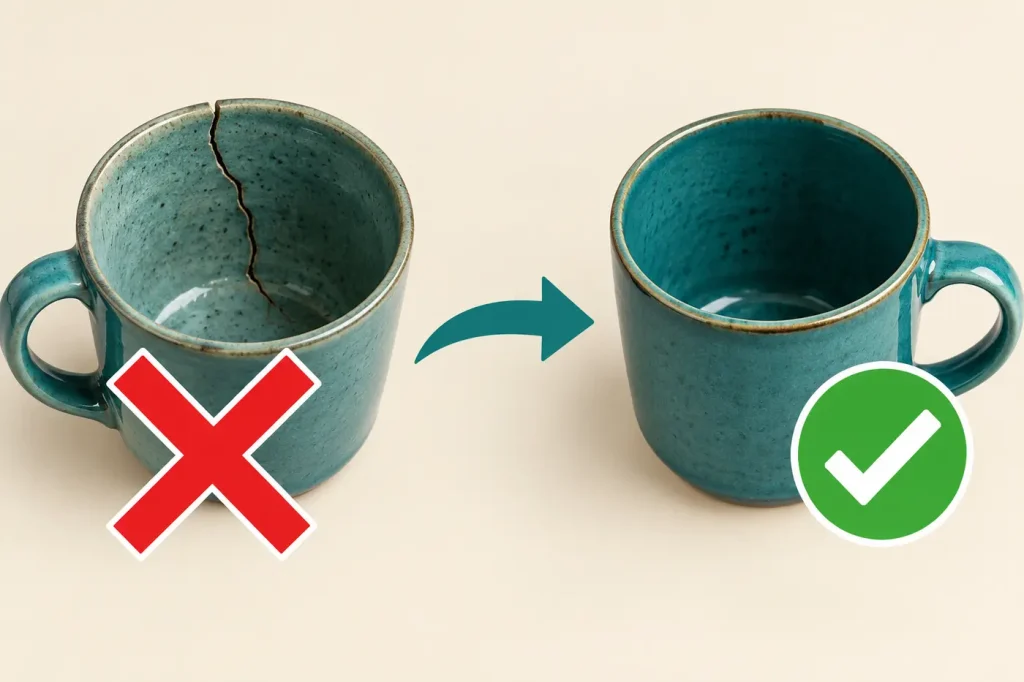
How do you evaluate a food-contact repair?
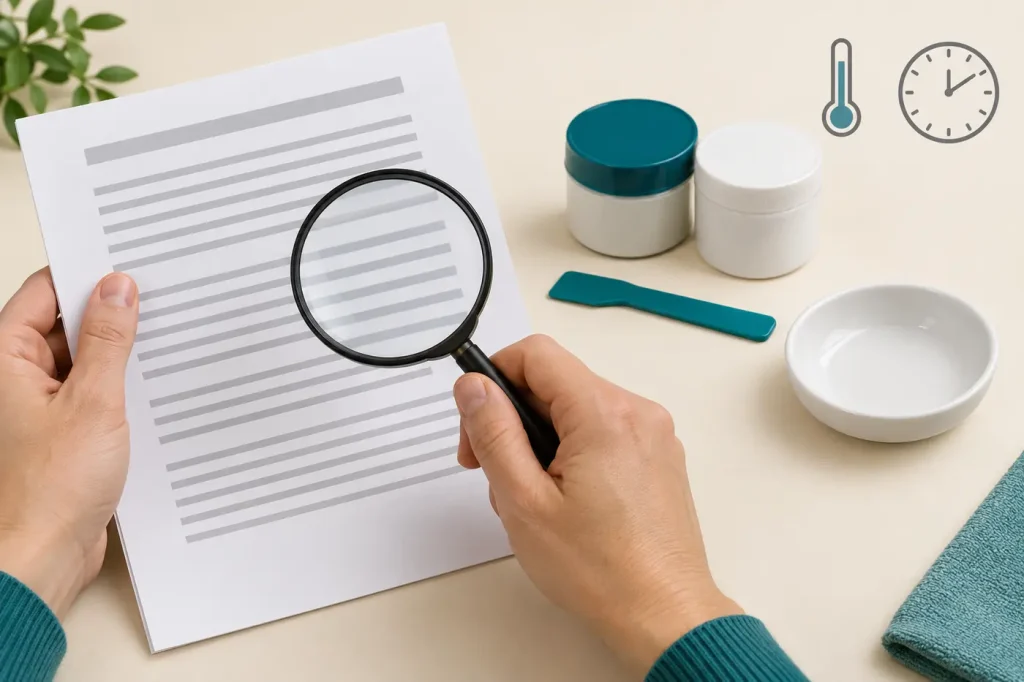
- Identify the exact J-B Weld formulation and the repair's position relative to food.
- Ask the manufacturer for approval covering that use, cure, temperature and cleaning conditions.
- Separate an external mechanical repair from a crack or patch inside a food container.
- Replace the item when documented suitability or a hygienic cleanable repair cannot be established.
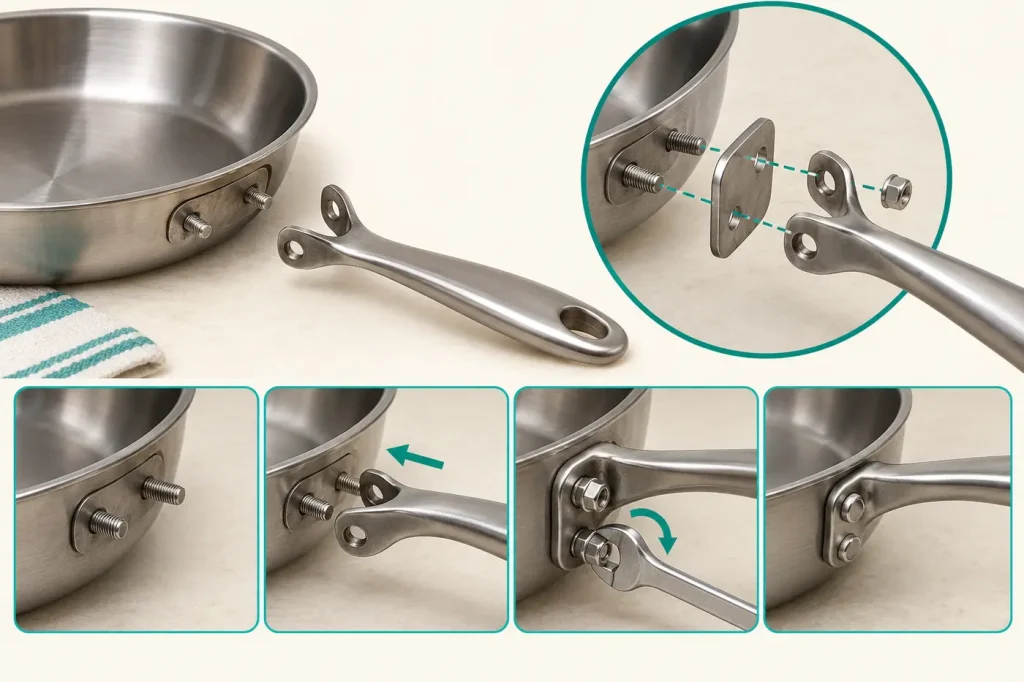
Which food-contact repairs need replacement?
Food-contact suitability is not the same as water resistance, heat resistance or non-toxicity after cure. A crack can also trap food and microbes even if an adhesive is chemically suitable. Avoid a generic epoxy patch on a drinking surface, food utensil or pressure-containing cooking part.
Additional practical questions
Does fully cured mean FDA approved?
No. Full cure describes the adhesive's chemical state, while food-contact approval covers a particular material and intended use. Indirect-contact compliance also does not automatically authorize repeated direct contact in a mug or cooking vessel. Obtain documentation for the exact formulation and exposure conditions before relying on such a repair.
Can I repair the outside handle of a kitchen item?
An external handle may have no direct food contact, but the repair still needs to tolerate its load, temperature and washing conditions. A handle failure can spill hot contents. Evaluate whether replacement is more reliable, and do not infer safe mechanical performance merely from keeping adhesive outside the food area.
Manufacturer reference: J-B Weld manufacturer FAQs. Check the current instructions for the exact product and application. Illustrations explain the method; they do not represent a laboratory test or manufacturer certification.