
Original J-B Weld Twin Tube sets in 4–6 hours and fully cures in 15–24 hours under the manufacturer's stated conditions. Other J-B Weld formulas have different schedules, so identify the product before estimating the wait; handling strength is not the same as full strength or chemical resistance.
Which J-B Weld cure schedule applies?
| Situation | Practical choice |
|---|---|
| Original Twin Tube | set 4–6 hours cure 15–24 hours |
| Different formula | check its label |
| Cold conditions | allow product-specific extra time |
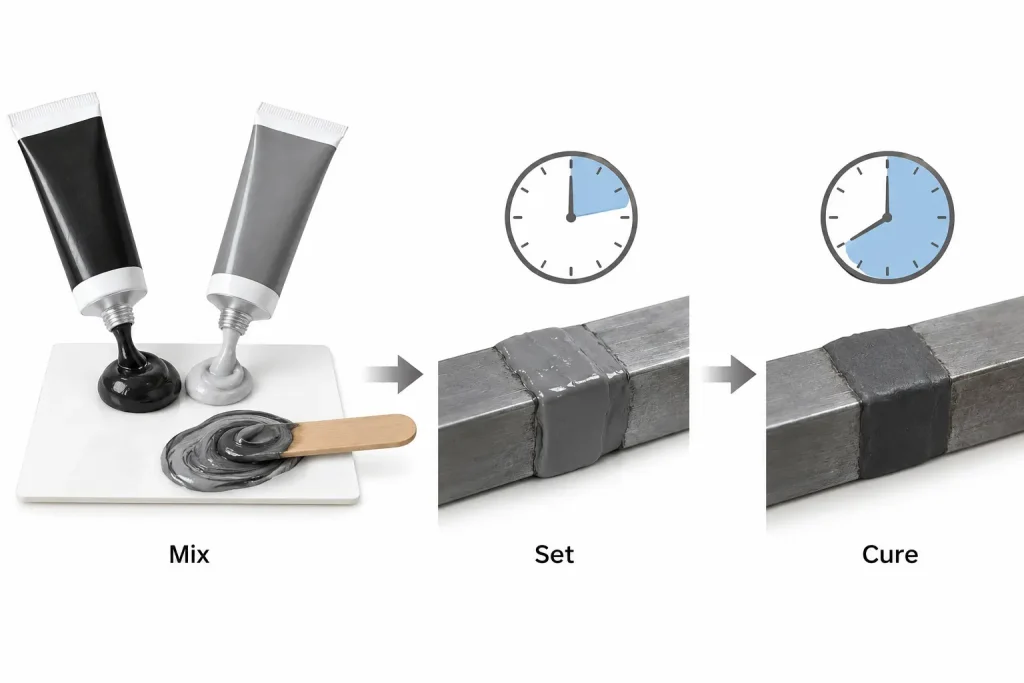
How should you mix and cure Original J-B Weld?
- Read the exact formula name on the pack.
- Clean and prepare the repair before mixing.
- For Original Twin Tube, mix equal portions thoroughly to a uniform color.
- Hold alignment and leave the joint undisturbed through the set period.
- Wait the full cure before sanding, loading or chemical exposure.
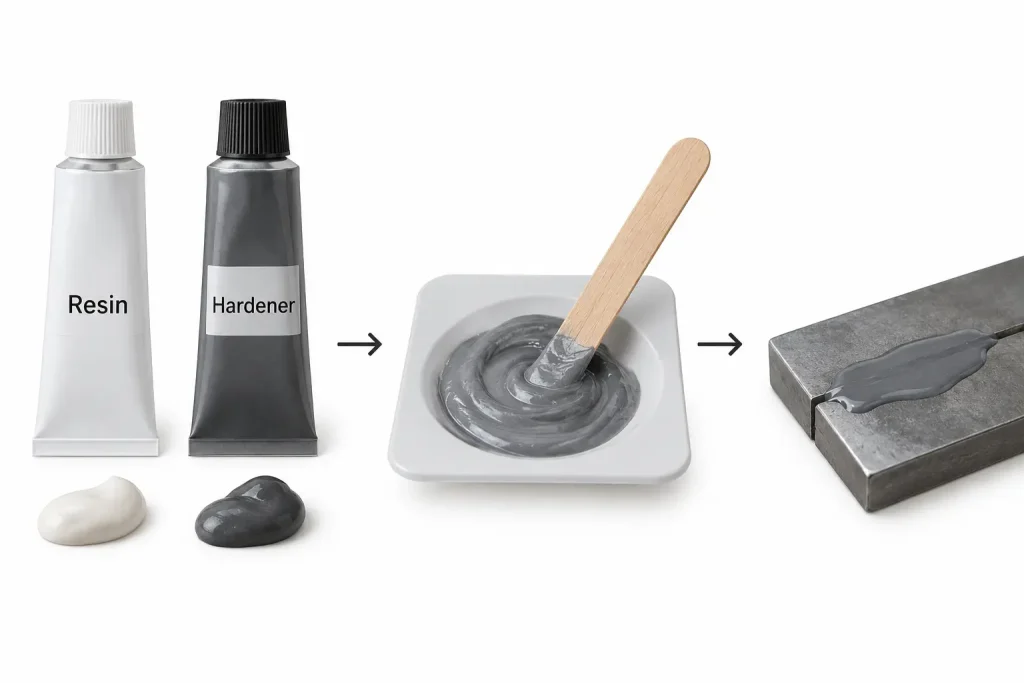
Which failure mode should you check?
A hard surface can conceal an uncured interior. Incorrect ratio, poor mixing or unsuitable temperature can prevent a reliable cure; extra time does not reliably fix a mixing error.
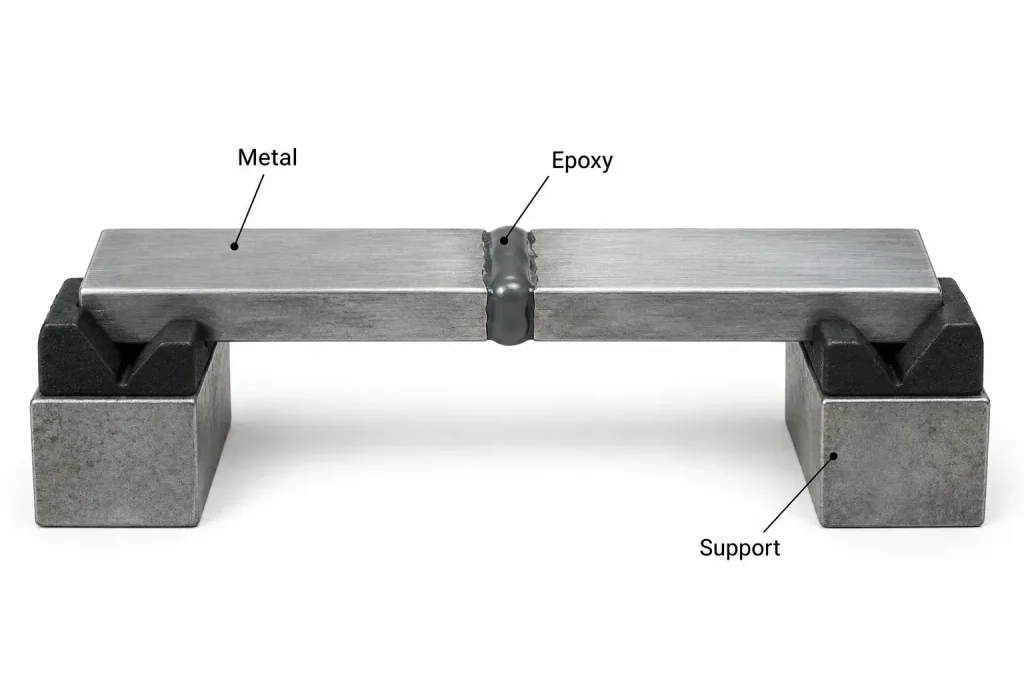
Additional application question
Can I sand Original J-B Weld as soon as it sets?
The set period indicates handling readiness, not the completed cure. J-B Weld lists shaping and machining after cure for Original Twin Tube. Wait its full stated cure under the applicable conditions before sanding or drilling, and check that the material has hardened uniformly.
Technical references: J-B Weld Original set and cure instructions. Product-specific instructions take precedence over generalized timings and ratings.
Ever found yourself in the middle of a DIY project and wondered, “How long does it take for JB Weld to dry?” You’re not alone. Whether you’re fixing a broken tool or sealing a crack in your car’s engine, knowing the drying time can make all the difference in achieving a strong, lasting bond.
JB Weld is a popular choice for its durability and versatility, but the drying time can vary based on several factors. In this text, you’ll discover the key elements that influence how quickly JB Weld sets and cures, helping you plan your projects more effectively. Let’s jump into the details so you can get back to building with confidence.
Key Takeaways
- Temperature influence: Cooler conditions can extend curing. Use the exact product’s instructions rather than an assumed eight-hour warm-cure shortcut.
- Humidity Impact: Lower humidity levels expedite the curing process; high humidity can significantly slow it down.
- Mix Ratio Importance: Properly mixing equal parts of resin and hardener ensures faster and more complete curing.
- Surface Preparation: Cleaning and drying surfaces before applying JB Weld enhances adhesion and reduces curing time.
- Product Variations: Standard JB Weld typically takes 15 hours to fully cure, while JB Weld KwikWeld sets in 6 minutes for quicker fixes.
JB Weld Curing Process
Understanding the JB Weld curing process is crucial for achieving the best results in your repair projects. Knowing the factors that affect cure time can help you plan and execute your tasks efficiently.
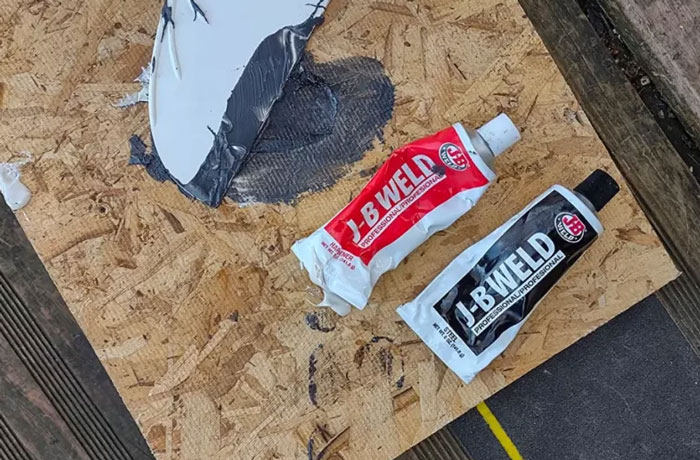
Factors Affecting Cure Time
Several factors influence JB Weld’s cure time. Each variable can accelerate or decelerate the process, affecting the final outcome.
Temperature:
- Higher temperatures speed up the curing process. For example, if temperatures are above 50°F (10°C), JB Weld cures faster.
- Keep the assembled joint supported during cure. Do not improvise a heat-lamp or light-bulb procedure without product-specific instructions.
- Original Twin Tube lists a 4–6-hour set and 15–24-hour cure; an unverified 110°F schedule cannot replace those instructions.
Humidity:
- Lower humidity levels can expedite the curing process, while higher humidity can slow it down.
Mix Ratio:
- Improperly mixed compounds may result in longer cure times or incomplete curing. Follow the instructions precisely to ensure optimal performance.
Surface Preparation:
- Clean, dry surfaces provide better adhesion and faster curing. Dirt, grease, or moisture can extend the curing time.
Typical Cure Time
The typical cure time varies between different versions of JB Weld.
Standard JB Weld:
- Takes 4-6 hours to handle. It’s recommended to dry overnight (approximately 15 hours) before using.
JB Weld KwikWeld:
- Sets in around 6 minutes.
- Can be used shortly after, making it ideal for quick fixes.
Temperature and Humidity Impact
Temperature and humidity are pivotal in determining the JB Weld curing time. Elevated temperatures and lower humidity levels expedite the curing process.
- Higher Temperatures: Above 50°F (10°C) accelerate curing.
- Curing environment: Choose a stable location within the adhesive’s labeled application conditions and protect the joint from disturbance.
- Low Humidity: Promotes faster curing, facilitating quicker project completion.
| Temperature Range | Impact on Cure Time | Example Use Case |
|---|---|---|
| Above 50°F (10°C) | Speeds up curing process | Outdoor repairs in mild climates |
| Warm-cure schedule | No verified eight-hour schedule; use the labeled cure instructions. | Repairs needing rapid turnaround |
| Low Humidity | Promotes faster curing | Indoor projects with controlled climate |
Carefully manage these environmental factors to achieve optimal results in your DIY projects. By understanding and controlling the JB Weld curing process, you ensure sturdy, lasting repairs.
How to Use JB Weld
Using JB Weld properly enhances its effectiveness and ensures sturdy repairs. This guide helps you navigate the process efficiently.
Preparation
Preparing the surface is vital for optimal adhesion.
- Clean Surface: Ensure the surfaces are free from grease, dirt, and oil. Using sandpaper can help roughen smooth surfaces, enhancing the epoxy’s grip.
- Dry Surface: Confirm that the area is dry before application. Moisture can hinder adhesion and prolong drying time.
Mixing
Mixing JB Weld correctly is crucial for achieving a strong bond.
- Equal Amounts: Use equal parts of the resin and hardener. Most JB Weld tubes come with a 1:1 ratio.
- Thorough Mixing: Blend the components on a disposable surface until the mixture turns a consistent gray color. This usually takes about 1 minute.
- Consistency: Ensure the solution is uniform and free from air bubbles. Inconsistent mixing can lead to poor bonding.
Application
Applying JB Weld accurately ensures a durable fix.
- Applying the Mixture: Using a tool like a putty knife or wooden stick, spread the mixture evenly over the surface.
- Press the Surfaces Together: Press the pieces firmly together if fixing a breakage, ensuring the mixture fills any gaps.
- Clamping (Optional): Use clamps to hold parts together while the epoxy cures. This can improve alignment and bond strength.
JB Weld Drying Time Factors
Several factors influence JB Weld’s drying time. Understanding these will enable you to manage your project timeline effectively.
Temperature affects cure rate, while clean, prepared surfaces affect bond reliability. Inspect the exact formulation’s instructions and allow full cure before load or chemical exposure.
By adhering to these steps, you can maximize the performance and durability of your JB Weld repairs.
Tips to Speed Up JB Weld Cure Time
To ensure your JB Weld cures faster, it’s vital to consider several factors that can significantly reduce the drying and cure times. Use environmental adjustments and accelerators for optimal results.
Environmental Adjustments
Temperature
Temperature plays a crucial role in JB Weld’s curing process:
- Room Temperature Above 50°F (10°C): Curing is faster in warmer environments compared to cooler ones.
- Heat application: Avoid direct lamps or improvised local heating that can create uneven temperatures. Follow any manufacturer-authorized heating procedure.
- Elevated temperatures: Do not put the repair in an oven simply to reach an assumed eight-hour cure. Verify that the adhesive and repaired assembly permit the intended process.
Use of Accelerators
Heat
Heat application is an effective accelerator:
- Initial Set: Allow JB Weld to set for the recommended initial period.
- After setting: Initial firmness does not indicate full strength. Keep the joint supported until its specified cure is complete.
Adjusting your approach with these tips can lead to quicker and efficient use of JB Weld, ensuring strong and reliable results.
Common Issues and Solutions
Understanding the common issues that can arise during the JB Weld curing process is crucial for successful application. Below are some typical problems and effective solutions to ensure optimal results.
Troubleshooting Slow Cure
If JB Weld isn’t curing as quickly as expected, consider the following factors and solutions:
Temperature:
- Low Temperature: Curing at temperatures below 50°F can significantly slow down the process.
- Solution: Check mixing, substrate preparation and whether cold conditions delayed cure; allow the complete labeled cure period before testing.
Humidity:
- High Humidity: Excess moisture in the air can impede the hardening process.
- Solution: Ensure the curing area has good ventilation or use a dehumidifier to reduce moisture levels.
Mix Ratio:
- Improper Mixing: Incorrect proportions of resin and hardener can lead to incomplete curing.
- Solution: Always mix equal parts of the JB Weld resin and hardener thoroughly.
Here’s a table summarizing these factors and solutions:
| Issue | Cause | Solution |
|---|---|---|
| Slow curing | Low temperature | Check preparation, mixture and ambient conditions; allow full cure. |
| Slow curing | High humidity | Improve ventilation or use a dehumidifier |
| Incomplete curing | Improper mix ratio | Ensure equal parts resin and hardener |
Ensuring Proper Bonding
For strong, long-lasting results with JB Weld, proper bonding is essential. Here are steps to achieve a robust bond:
Surface Preparation:
- Clean Surface: Dust, oil, and rust can weaken the bond.
- Action: Clean the surfaces thoroughly using a degreaser or solvent.
Mixing:
- Thorough Mixing: Inadequate mixing can result in weak spots.
- Action: Mix equal parts of resin and hardener until the color is uniform.
- Even Application: Uneven application can create air pockets.
- Action: Spread the mixture evenly over the surface using a tool.
Here’s a checklist to ensure proper bonding:
- Clean surfaces with a degreaser or solvent.
- Mix equal parts resin and hardener thoroughly.
- Apply the mixture evenly without air pockets.
- Align and press surfaces together for optimal adhesion.
Following these guidelines and addressing common slow-cure issues will help you achieve strong, reliable results with JB Weld.
Conclusion
Mastering the drying and curing times of JB Weld is essential for achieving durable and reliable repairs in your DIY projects. By understanding the factors that influence cure time, such as temperature, humidity, and proper mixing, you can plan your work more effectively and avoid common pitfalls.
Remember to prepare surfaces meticulously and mix the resin and hardener thoroughly to ensure a strong bond. Adjusting environmental conditions, like maintaining a warm temperature and using heat sources, can significantly speed up the curing process.
With these insights, you’re well-equipped to maximize the performance and longevity of your JB Weld repairs, ensuring they stand the test of time.
Frequently Asked Questions
How long does it take for JB Weld to dry?
Standard JB Weld takes 4-6 hours to set and is best left to dry overnight for a full cure. JB Weld KwikWeld, on the other hand, sets in about 6 minutes and cures within 4-6 hours, making it ideal for quick fixes.
What factors affect the curing time of JB Weld?
The curing time of JB Weld is influenced by temperature, humidity, mix ratio, and surface preparation. Higher temperatures and lower humidity levels speed up curing, while improper mixing and unclean surfaces can prolong the process.
Can heat speed up the JB Weld curing process?
Heat can alter epoxy cure rate, but this article does not establish an approved accelerated cure schedule for your product. Follow the exact label and avoid concentrated heating of an assembled repair.
What is the ideal temperature for curing JB Weld?
Use the curing conditions on the exact J-B Weld formula’s instructions. A repaired assembly may also contain heat-sensitive parts, so do not infer a universal ideal temperature from another epoxy or SKU.
How should I prepare the surface before applying JB Weld?
For optimal results, clean and dry the surface thoroughly. Remove any dirt, grease, or rust, and ensure the surface is free of contaminants. Proper surface preparation is crucial for a strong bond.
How important is the mix ratio for JB Weld?
Maintaining an equal mix ratio of resin and hardener is crucial for JB Weld to function effectively. Improper mixing can lead to weak bonds or prolonged curing times.
What are some tips to ensure a strong JB Weld bond?
Thoroughly clean and dry the surface, mix equal parts of resin and hardener well, and apply the mixture evenly. Clamping the surfaces together can also improve alignment and bond strength.
Can JB Weld be used to repair leaky pipes?
Yes, JB Weld can be used to repair water leaks. Products like JB WaterWeld are specifically formulated to create a watertight seal, suitable for plumbing repairs.
How can I troubleshoot slow curing times?
Slow curing times can be due to low temperatures, high humidity, or improper mixing. Ensure optimal environmental conditions and follow the product instructions carefully to avoid delays.
Is JB Weld effective on all materials?
JB Weld works on a variety of materials, including metal, plastic, wood, and ceramic. However, proper surface preparation and application technique are vital for successful repairs on any material.