Ever found yourself frustrated with an adhesive that’s lost its stickiness? Whether it’s a favorite sticker, a crucial piece of tape, or a vital adhesive strip, losing that essential tack can be a real headache. Thankfully, there are simple and effective ways to revive the stickiness and get things back to normal.
Key Takeaways
- Understanding Causes: Recognize key reasons adhesives lose stickiness, such as aging, exposure to dirt, unsuitable surfaces, improper storage, and low-quality products.
- Revival Techniques: Apply heat, use clear tape, double-sided tape, adhesive sprays, paper glue, or rubber cement to restore adhesive stickiness effectively.
- Storage Solutions: Store adhesives in cool, dry, flat locations, away from extreme temperatures and sunlight, to maintain their effectiveness over time.
- Surface Preparation: Ensure surfaces are clean, dry, and smooth before applying adhesives to enhance bonding and longevity.
- Quality Matters: Opt for high-quality adhesives to ensure stronger bonds and longer-lasting stickiness for various applications.
Causes of Adhesive Losing Stickiness
Understanding why adhesives lose their stickiness can help you find the best methods to revive them. Here are the key factors:
Aging and Time
Adhesive tapes and stickers can lose their tackiness over time. As adhesives age, they dry out and become less effective. This is commonly seen with older tapes and stickers that have been stored for long periods.
Exposure to Dirt and Debris
Dirt, dust, and debris can compromise the stickiness of adhesives. When particles interfere with the adhesive surface, they prevent it from bonding properly. Always ensure surfaces are free from contaminants before applying adhesives.
Unsuitable Surfaces
Surfaces with oils, residues, or other contaminants hinder adhesive effectiveness. For adhesives to work best, the surface should be clean, dry, and free of any oils. This ensures better bonding and a longer-lasting hold.
Improper Storage
Adhesives lose stickiness when stored incorrectly. Conditions such as extreme temperatures or physical damage (bending/folding) can deteriorate adhesive properties. Store tapes and stickers in a cool, dry, flat location to maintain their effectiveness.
Low-Quality Adhesive
Using low-quality adhesives often results in poor stickiness. These adhesives may not have the same strength and durability as higher-quality options, leading to quicker degradation. Opt for high-quality adhesive products to ensure longer-lasting sticks.
| Cause | Effects on Stickiness | Prevention Tips |
|---|---|---|
| Aging and Time | Adhesive dries out and loses tackiness | Use fresher products, store properly |
| Exposure to Dirt/Debris | Particles interfere with adhesive surface | Clean surface before application |
| Unsuitable Surfaces | Oils/residues prevent proper bonding | Ensure surfaces are clean and dry |
| Improper Storage | Extreme conditions diminish adhesive properties | Store in cool, dry, flat places |
| Low-Quality Adhesive | Weaker bonding, quicker degradation | Choose high-quality adhesive products |
By understanding these causes, you’re better equipped to keep your adhesives functional and robust. Ensure you store and handle them properly to extend their lifespan.
Techniques to Revive Adhesive Stickiness
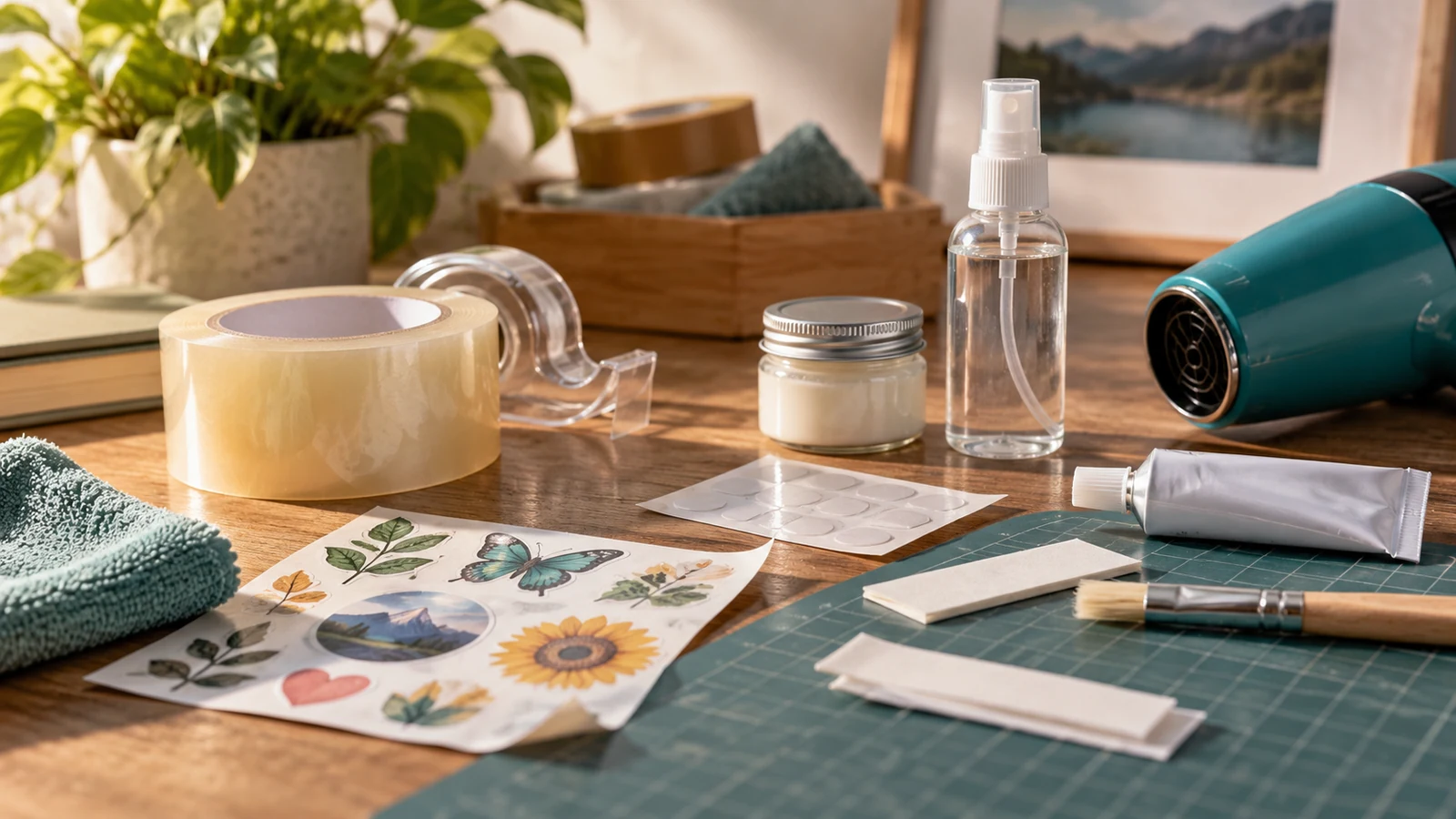
To restore the stickiness of adhesives, it’s essential to choose the right technique based on the type of adhesive and its condition. Here are some effective methods that can help revive adhesives:
Applying Heat
Heat can be effective for restoring the stickiness of stickers and tapes.
- Method: Use a hairdryer or a heat gun on a low setting. Hold the heat source a few inches from the sticker and gradually apply heat until the adhesive becomes soft. Press the sticker firmly to ensure it sticks again.
- Caution: Avoid excessive heat to prevent damage to the sticker or the surface.
Using Clear Tape
Clear tape can create a new adhesive layer for small stickers.
- Method: Place clear tape on the back of the sticker, ensuring even coverage. This provides a fresh surface that can stick to various materials.
Double-Sided Tape Method
Double-sided tape is useful for adding a new sticky layer without altering the appearance of the sticker.
- Method: Cut a piece of double-sided tape to fit the sticker. Apply it carefully to the back, then stick the sticker to the intended surface.
Adhesive Spray Application
Adhesive sprays can rejuvenate large stickers or tapes that have lost their stickiness.
- Method: Spray a thin, even layer of adhesive spray on the back of the sticker. Wait a few seconds for it to become tacky, then press the sticker firmly onto the surface.
Paper Glue Solutions
Paper glue can work for lightweight stickers or paper-based adhesives.
- Method: Apply a small amount of paper glue to the edges and center of the sticker. Press it onto the surface and hold for a few seconds to ensure it sticks.
Rubber Cement Usage
Rubber cement offers a temporary solution for making stickers sticky again.
- Method: Apply a thin layer of rubber cement to the back of the sticker. Let it air dry for a few seconds until it’s tacky, then press the sticker onto the surface.
By effectively using these methods, you can extend the life of your adhesives and keep them functional for longer periods. Choose the method that best suits your adhesive type and situation.
Preventative Measures for Adhesive Durability
To maintain the stickiness of adhesives over time and ensure their longevity, focus on proper storage and surface preparation.
Proper Storage Techniques
Effectively storing adhesives can significantly extend their usability. Follow these guidelines:
- Avoid Extreme Temperatures:
- Store adhesives at room temperature, ideally between 60°F (16°C) and 80°F (27°C).
- Avoid direct sunlight or heat sources, as they can degrade adhesive quality.
- Seal Airtight:
- Keep adhesive containers tightly sealed when not in use to prevent drying out.
- Use zip-lock bags or airtight containers to store adhesive strips or tapes.
- Control Humidity:
- Maintain a moderate humidity level, around 50%, to prevent adhesives from becoming too brittle or too soft.
Surface Preparation Tips
Properly preparing the surface ensures strong adhesion. Use these steps:
- Clean the Surface:
- Wipe the area with a lint-free cloth dampened with rubbing alcohol to remove dirt, grease, and debris.
- Ensure the surface is completely dry before applying the adhesive.
- Smooth the Surface:
- For best results, the surface should be smooth and even. Sand down rough or uneven areas if necessary.
- Test Adhesion:
- Before full application, place a small piece of adhesive on the surface to test its sticking ability.
- Make adjustments to cleaning methods or choice of adhesive if necessary.
Implementing these preventative measures helps preserve the stickiness and functionality of your adhesives, ensuring they remain effective for their intended use.
Conclusion
Reviving the stickiness of your adhesives doesn’t have to be a challenging job. With the right techniques and a bit of know-how, you can easily restore their effectiveness. By understanding the factors that cause adhesive loss and taking preventative measures, you can ensure your adhesives remain reliable and long-lasting. Whether you’re dealing with stickers, tape, or adhesive strips, these methods will help you keep everything in place. Remember to store your adhesives properly and prepare surfaces adequately to maximize their lifespan. With these tips, you’ll always be prepared to tackle any adhesive challenges that come your way.
Frequently Asked Questions
How do you restore sticky adhesive?
To restore sticky adhesive, you can use a hairdryer or heat gun to warm it up, apply clear tape or double-sided tape to create new layers, or use adhesive sprays for larger surfaces. Paper glue and rubber cement are also effective for lightweight or temporary fixes.
Why do adhesives lose their stickiness?
Adhesives can lose their stickiness due to aging, exposure to dirt and debris, unsuitable surfaces, improper storage, and the use of low-quality materials. These factors compromise the adhesive’s bonding capabilities, making it less effective over time.
What are the best ways to prevent adhesive from losing its stickiness?
Prevent adhesive from losing its stickiness by storing it in airtight containers, avoiding extreme temperatures, controlling humidity levels, and ensuring the application surface is clean and smooth. Proper storage and surface preparation are key to maintaining adhesive effectiveness.
Can heat make adhesives sticky again?
Yes, heat can reactivate adhesives. Using a hairdryer or heat gun to apply warmth can help regain their stickiness by softening the adhesive layer, making it more pliable and tacky.
Is using adhesive sprays a good method for large surfaces?
Yes, adhesive sprays are effective for large surfaces. They provide an even layer of adhesive, ensuring consistent coverage and strong bonding. This method is ideal for reviving the stickiness of large stickers or adhesive strips.
How should I prepare surfaces before applying adhesive?
Ensure surfaces are clean, dry, and smooth before applying adhesive. Remove any dirt, grease, or debris, and test the adhesion on a small area to ensure it bonds well. Proper surface preparation helps maintain adhesive effectiveness.