Ever wondered what holds your favorite pair of shoes together or keeps your car’s interior looking sleek? The answer often lies in polyurethane adhesives. These versatile bonding agents are a game-changer in various industries, offering durability and flexibility that other adhesives just can’t match.
You’ll find polyurethane adhesives in everything from construction to automotive applications, thanks to their incredible strength and resistance to environmental factors. Whether you’re a DIY enthusiast or a professional, understanding how these adhesives work can elevate your projects to the next level. Immerse and discover why polyurethane adhesives might be the perfect solution for your bonding needs.
Key Takeaways
- Versatility and Applications: Polyurethane adhesives are highly versatile, used across industries like construction, automotive, footwear, and healthcare due to their strong bonding capabilities and adaptability to various materials.
- Types of Systems: They come in one-part and two-part systems. One-part systems cure with moisture and are ideal for DIY projects, while two-part systems require mixing and offer stronger, more durable bonds suitable for industrial applications.
- Key Benefits: Polyurethane adhesives provide excellent adhesion, durability, and flexibility. They resist environmental factors like moisture, UV radiation, and chemicals, ensuring long-lasting bonds.
- Environmental Resistance: Ideal for outdoor and harsh environments, these adhesives maintain integrity under temperature fluctuations, humidity, and chemical exposure, making them reliable in demanding conditions.
- Performance Characteristics: Factors like viscosity, tensile strength, elongation, bonding time, and thermal stability vary, enabling their use in diverse applications, from high-stress industrial to flexible, dynamic environments.
- Application Techniques: Proper surface preparation, accurate mixing for two-part systems, and following curing guidelines are crucial for achieving optimal performance and strong, long-lasting bonds.
Understanding Polyurethane Adhesives
Polyurethane adhesives (PU adhesives) are gaining prominence due to their versatility and strong bonding capabilities. From construction to automotive industries, their unique properties make them a preferred choice for adhering various materials.
Definition and Composition
Polyurethane Adhesives (PU Adhesives)
: Polymer-based glues formed through the chemical reaction between an isocyanate and a polyol. They are designed for high-strength bonding applications.
Types of Polyurethane Adhesives
Polyurethane adhesives come in two primary types, each with its specific applications and benefits.
- One-Part Systems
- Require moisture, either from the atmosphere or applied as a water mist, to crosslink.
- Easy to apply since no mixing is required.
- Commonly used in construction and DIY projects.
- Two-Part Systems
- Involve separate components of isocyanate and polyol, which must be mixed in the correct ratio before application to initiate the crosslinking reaction.
- Provide stronger and more durable bonds.
- Suitable for industrial and automotive applications.
Advantages
Polyurethane adhesives offer several significant advantages:
- Excellent Adhesion: Adhere well to diverse substrates, including metal, plastic, wood, and foam.
- Variable Cure Time: Formulations can be adjusted to change cure times, improving versatility.
- Variable Pot Life: Formulations can also provide various pot lives, accommodating different project timelines.
| Property | One-Part Systems | Two-Part Systems |
|---|---|---|
| Cure Time | Slow to moderate | Rapid |
| Strength | Moderate to high | High |
| Durability | High | Very high |
| Application Ease | Easy | Requires pre-mixing |
Understanding the specifics of polyurethane adhesives allows you to choose the right type for your project needs. For example, if working on a quick industrial assembly, a two-part system might be ideal. On the other hand, a one-part system suits DIY enthusiasts due to its simplicity.
Types of Polyurethane Adhesives
Polyurethane (PU) adhesives are versatile and widely used in various industries due to their excellent bonding properties and adaptability. Here are the main types of polyurethane adhesives:
One-Part Systems
One-part polyurethane adhesives, also known as one-component (1K) systems, do not require mixing before application. These adhesives typically cure through the reaction with moisture in the air. Key characteristics include:
- No mixing required: Simplifies the application process.
- Moisture curing: Water from the atmosphere or a water mist is necessary for crosslinking.
Two-Part Systems
Two-part polyurethane adhesives, or two-component (2K) systems, consist of separate components that must be mixed together in the correct ratio before application. The chemical reaction between the isocyanate and polyol components initiates the curing process. Key characteristics include:
- Mixing required: Ensures precise chemical reaction for strong bonding.
- Controlled cure time: Ideal for industrial and automotive applications requiring durable bonds.
Solvent-Borne Polyurethane Adhesives
Solvent-borne polyurethane adhesives contain solvents that evaporate during curing, leaving behind a strong adhesive bond. These adhesives are favored in industries requiring quick-drying solutions. Key characteristics include:
- Fast curing: Solvent evaporation speeds up drying time.
- High strength: Provides robust and durable bonds.
- Versatile application: Suitable for various substrates, including metals and plastics.
Waterborne Polyurethane Adhesives
Waterborne polyurethane adhesives use water as the primary solvent, making them more environmentally friendly compared to solvent-borne counterparts. These adhesives are gaining popularity due to their lower VOC content. Key characteristics include:
- Eco-friendly: Reduced volatile organic compounds (VOCs) compared to solvent-borne adhesives.
- Safe to use: Lower toxicity and safer handling.
- Strong bonding: Effective on diverse materials, including wood and textiles.
By understanding these types of polyurethane adhesives, you can choose the right product for your specific needs, whether for DIY projects or industrial applications.
Key Benefits and Advantages
Explore the astounding benefits and advantages of polyurethane adhesives and understand why they outperform other bonding solutions in various applications.
Strength and Durability
Polyurethane adhesives excel in terms of strength and durability, offering several key advantages:
- Strong Bonding: Polyurethane adhesives create an exceptionally strong bond, often eliminating the need for clamps and fixings. This attribute allows you to continue your work immediately, without waiting for the adhesive to dry.
- Long-Lasting: Known for their durability and flexibility, polyurethane adhesives resist wear and tear, reducing the likelihood of cracking over time. This property ensures a longer-lasting bond, setting them apart from other types of adhesives.
- Resistance to Solvents: Once cured, polyurethane adhesives become resistant to solvents, which enhances their longevity in various applications. This resistance makes them ideal for environments exposed to chemical substances.
Versatility and Flexibility
The versatility and flexibility of polyurethane adhesives make them suitable for an array of materials and industries:
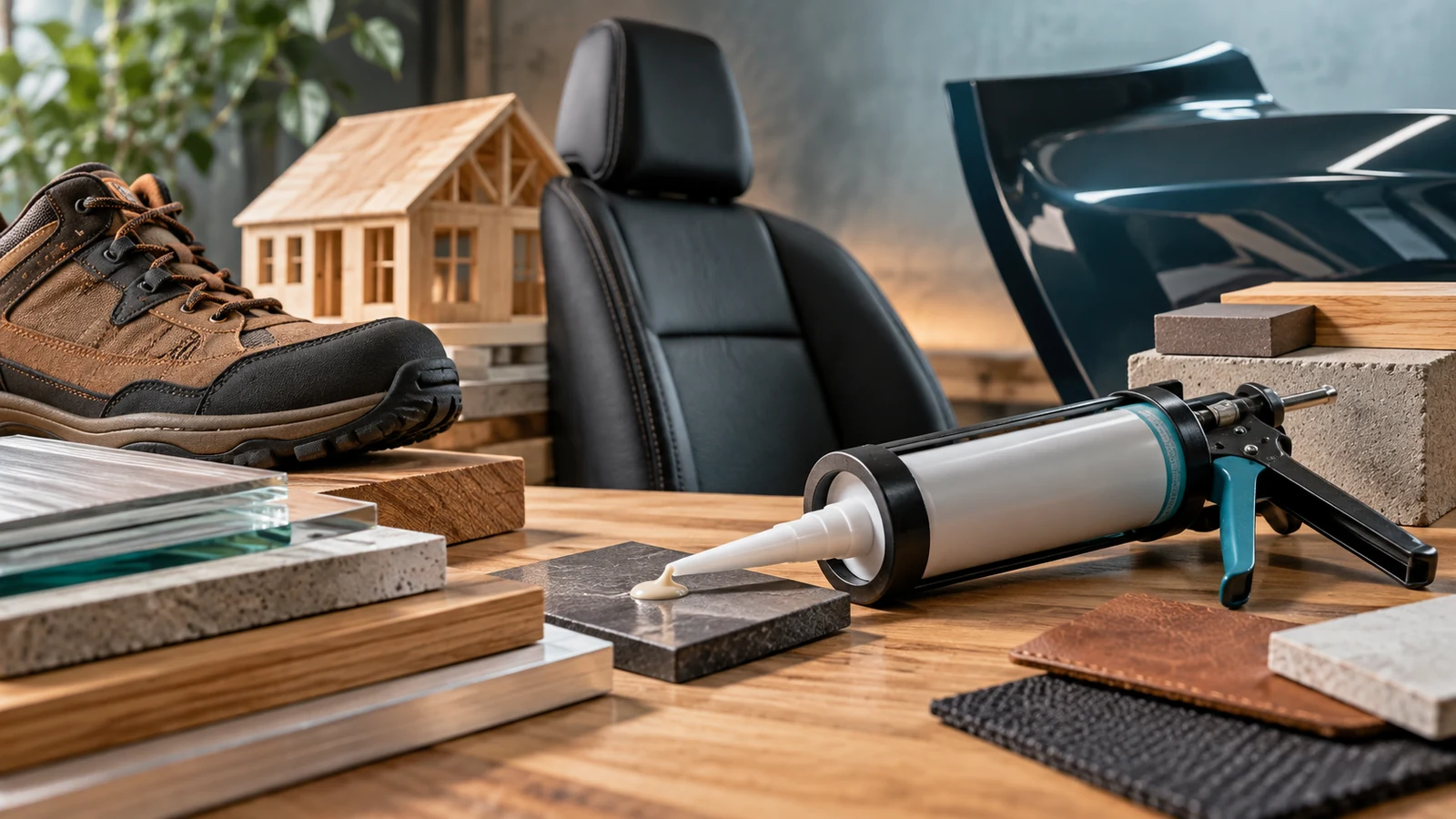
- Wide Range of Materials: Polyurethane adhesives bond effectively with numerous materials, including wood, concrete, glass, and metal. This wide-ranging application supports usage across different industries such as construction and automotive.
- Flexible Application: The flexibility of polyurethane adhesives allows for movements and vibrations, making them perfect for dynamic environments. For instance, in the automotive industry, these adhesives handle frequent vibrations and thermal expansions effectively.
Environmental Resistance
Polyurethane adhesives demonstrate impressive resistance to environmental factors:
- Weather Resistance: These adhesives withstand various weather conditions, including moisture, UV radiation, and temperature fluctuations. Such resistance is particularly beneficial in outdoor applications.
- Chemical Resistance: Besides solvent resistance, polyurethane adhesives also resist various other chemicals, including oils and greases. This trait is essential in industrial applications, where exposure to such substances is frequent.
| Key Benefit | Details |
|---|---|
| Strong Bonding | Immediate continuation of work without the need for clamps or fixings. |
| Long-Lasting | Durability and flexibility reduce the chance of cracking, ensuring a longer-lasting bond. |
| Resistance to Solvents | Enhanced durability in various applications due to good resistance to solvents. |
| Wide Range of Materials | Effective bonding with wood, concrete, glass, and metal supports diverse applications. |
| Flexible Application | Handles movements and vibrations well, ideal for dynamic environments like automotive. |
| Weather Resistance | Withstands moisture, UV radiation, and temperature changes, suitable for outdoor uses. |
| Chemical Resistance | Resists various chemicals, including oils and greases, making it essential for industrial uses. |
Applications of Polyurethane Adhesives
Polyurethane adhesives (PU adhesives) stand out for their exceptional bonding properties and versatility, making them indispensable across various sectors. Their unique chemical composition ensures strong, durable, and flexible bonds. Here are key applications across major industries:
Construction and Infrastructure
You can leverage polyurethane adhesives for a range of construction purposes due to their ability to bond diverse materials and resist environmental factors.
Key Applications:
- Bonding Various Materials: PU adhesives bond materials like metals, wood, concrete, and most plastics. This versatility is crucial for various construction tasks.
- Flooring and Roofing: They serve as excellent adhesive options for carpets, flooring, and roofing, offering durable and long-lasting bonds.
- Panel Bonding: Commonly used for bonding composite panels, including aluminum honeycomb panels, truck panels, and cladding components.
- Exterior and Immersed Applications: Their resistance to water makes them ideal for projects requiring durability in exterior environments or underwater.
Automotive and Aerospace
PU adhesives are highly valued in the automotive and aerospace industries for their reliable bonding strength and resistance to harsh conditions.
Key Applications:
- Body Assemblies: Ideal for bonding different parts of vehicle bodies such as side panels and roofs, ensuring strong and lightweight assemblies.
- Interior Components: Used to bond automotive and aircraft interior components including dashboards, seats, and side panels.
- Sealing and Insulation: Their excellent sealing properties make them perfect for sealing windows and other parts requiring insulation against environmental factors.
Footwear and Textiles
The footwear and textiles industry benefits significantly from the flexibility and durability of polyurethane adhesives.
Key Applications:
- Footwear Manufacturing: Essential for attaching soles to uppers and other shoe components, aiding in the production of durable and flexible footwear.
- Textile Lamination: Used in the lamination of fabrics where bonding flexibility and strength are required, enhancing garment durability.
Medical and Healthcare
In medical and healthcare settings, polyurethane adhesives play a pivotal role in creating strong yet flexible bonds that are safe for use in sensitive environments.
Key Applications:
- Medical Device Assembly: Used to bond components of medical devices, ensuring they remain secure and functional under various conditions.
- Wound Dressings: Applied in the manufacture of wound dressings due to their flexibility and ability to conform to body contours without causing irritation.
| Industry | Applications | Materials Bonded |
|---|---|---|
| Construction | Panel bonding, flooring, roofing | Metal, wood, concrete, plastics |
| Automotive and Aerospace | Body assemblies, sealing, insulation | Metal, composites, plastics, interior fabrics |
| Footwear and Textiles | Shoe manufacturing, textile lamination | Leather, rubber, synthetic fabrics |
| Medical and Healthcare | Device assembly, wound dressings | Medical-grade plastics, textiles, flexible films |
Polyurethane adhesives provide reliable and versatile bonding solutions tailored to the specific needs of various industries. By leveraging their unique properties, you can achieve optimal results in construction, automotive, footwear, and medical applications.
Formulation and Properties
Polyurethane adhesives offer diverse applications due to their unique formulation and properties. Understanding their chemical composition, physical properties, and performance characteristics can help you select the right type for your projects.
Chemical Composition
The formulation of polyurethane adhesives involves several key components that contribute to their effectiveness:
Isocyanate Component
Diisocyanates such as toluene diisocyanate (TDI) or methylene diphenyl diisocyanate (MDI) help the crosslinking process. These compounds allow the adhesive to cure and form a strong bond.
Polyol Component
Polyols, typically polyether or polyester compounds containing hydroxyl (OH) groups, provide the adhesive’s flexibility, strength, and overall adhesion properties.
Chain Extenders
Compounds like butanediol or ethylene glycol control the curing process. They also enhance adhesive performance by ensuring the formation of robust crosslinks.
Catalysts
Organometallic compounds such as dibutyltin dilaurate (DBTDL) or tertiary amines expedite the curing process, ensuring the adhesive sets more rapidly.
Physical Properties
Polyurethane adhesives showcase specific physical properties that make them suitable for a variety of uses:
- Viscosity: Varies from low to high viscosities, enabling application through different methods like spraying or brushing.
- Tensile Strength: High tensile strength ensures durability and long-lasting bonds.
- Elongation: Offers flexibility allowing bonded materials to expand and contract without breaking the adhesive bond.
- Bonding Time: Varied cure times, with some adhesives setting in minutes while others take longer, providing flexibility depending on project requirements.
- Thermal Stability: Maintains bond integrity across a wide range of temperatures, from -40°F to 300°F, suitable for both indoor and outdoor applications.
Performance Characteristics
The performance of polyurethane adhesives depends on several factors that enhance their usability:
- Adhesion to Diverse Substrates: Bonds effectively with materials like wood, concrete, glass, and metal, enabling use in multiple industries.
- Environmental Resistance: Withstands weather conditions, UV radiation, and chemical exposure, making it ideal for outdoor and industrial applications.
- Long-Lasting Nature: Once cured, offers a high degree of resistance to solvents and physical stresses, reducing the likelihood of cracking over time.
- Versatile Applications: Suitable for construction, automotive, aerospace, footwear, textiles, and healthcare sectors.
| Property | Value Range | Application Context |
|---|---|---|
| Viscosity | Low to high | Spraying, brushing |
| Tensile Strength | Up to 4,000 PSI | High-stress environments |
| Elongation | Up to 300% | Expanding and contracting materials |
| Bonding Time | Minutes to hours | Short and long-term projects |
| Thermal Stability | -40°F to 300°F | Varied temperature applications |
| Chemical Resistance | High | Exposure to chemicals and solvents |
Understanding the formulation and properties of polyurethane adhesives ensures that you can make an informed choice suited to both specific projects and broader applications. The versatility and robustness of these adhesives make them a valuable tool in various industrial and DIY contexts.
Tips for Choosing the Right Polyurethane Adhesive
Choosing the right polyurethane adhesive ensures the success of your project. Consider factors like substrate compatibility, performance requirements, system type, industry-specific needs, environmental factors, and application techniques.
Industry-Specific Considerations
When selecting polyurethane adhesives, industry-specific needs must be addressed. Different industries have unique requirements:
- Construction: Prioritize adhesives with high bond strength and environmental resistance. These should handle heavy loads and outdoor conditions.
- Automotive and Aerospace: Choose adhesives designed for thermal stability and vibration absorption. They should also resist chemicals commonly found in these environments.
- Footwear and Textiles: Flexibility and strong adhesion to fabrics are key. Opt for adhesives that remain pliable yet durable.
- Healthcare: Biocompatibility and sterilization capabilities are critical. Use adhesives that meet medical-grade standards.
Key Requirements by Industry
| Industry | Essential Characteristics |
|---|---|
| Construction | High bond strength, moisture resistance, and UV stability |
| Automotive & Aerospace | Thermal stability, vibration dampening, and chemical resistance |
| Footwear & Textiles | Flexibility, durability on fabrics and leather, and breathable formulations |
| Healthcare | Biocompatibility, sterilization resistance, and low cytotoxicity |
Environmental Factors
Environmental conditions can affect the performance of polyurethane adhesives. Consider the following:
- Temperature: Ensure the adhesive can withstand temperature extremes relevant to the application.
- Moisture: Select adhesives with moisture-resistant properties, especially for outdoor or humid environments.
- Chemicals: For industrial applications, the adhesive should resist exposure to solvents and chemicals.
- UV Exposure: If the adhesive will be exposed to sunlight, choose one with UV resistance to prevent degradation.
Environmental Resistance Features
| Factor | Recommended Properties |
|---|---|
| Temperature | High thermal stability, heat resistance |
| Moisture | Water resistance, humidity tolerance |
| Chemicals | Chemical inertness, solvent resistance |
| UV Exposure | UV stability, photoresistance |
Application Techniques
Proper application of polyurethane adhesives is crucial for optimal performance. Follow these techniques:
- Surface Preparation: Clean and dry surfaces ensure better adhesion. Remove any dust, grease, or contaminants.
- Mixing: For two-part systems, mix the components in the correct ratio to achieve desired properties. Incomplete mixing can lead to weak bonds.
- Application: Apply an even layer of adhesive to one or both surfaces. Use tools like brushes, rollers, or applicator guns for precision.
- Curing: Allow sufficient curing time before subjecting the bond to stress. Follow manufacturer’s guidelines on curing duration.
- Clean and dry the bonding surfaces.
- Mix components if using a two-part system.
- Apply an even adhesive layer.
- Allow the adhesive to cure fully.
Correctly chosen and applied polyurethane adhesives can meet the diverse demands of varying industries, environments, and applications.
Conclusion
Polyurethane adhesives offer a robust and versatile solution for bonding needs across multiple industries. Their unique properties, such as strong adhesion, durability, and environmental resistance, make them an ideal choice for both professionals and DIY enthusiasts. By understanding the different types and their specific applications, you can select the right adhesive for your project, ensuring optimal performance and long-lasting results. Whether you’re working in construction, automotive, aerospace, or even healthcare, polyurethane adhesives provide reliable and effective bonding solutions tailored to your needs.
Frequently Asked Questions
What are polyurethane adhesives?
Polyurethane adhesives are versatile, high-strength glues formed through a chemical reaction between isocyanate and polyol. They are designed for bonding applications in various industries.
In which industries are polyurethane adhesives commonly used?
Polyurethane adhesives are widely used in construction, automotive, aerospace, footwear, textiles, and healthcare for bonding various materials and components.
What are the types of polyurethane adhesives?
There are four main types: one-part systems that cure with moisture, two-part systems that require mixing, solvent-borne adhesives, and waterborne adhesives.
What are the benefits of using polyurethane adhesives?
Polyurethane adhesives offer strong bonding capabilities, durability, flexibility, resistance to environmental factors, and excellent adhesion to diverse substrates.
How do one-part and two-part polyurethane adhesives differ?
One-part adhesives cure with moisture and are easy to apply, while two-part adhesives involve mixing separate components and provide stronger, more durable bonds.
Can polyurethane adhesives be used for DIY projects?
Yes, one-part polyurethane adhesives are particularly suitable for DIY projects due to their ease of application and strong bonding capabilities.
What materials can polyurethane adhesives bond?
Polyurethane adhesives can bond wood, concrete, glass, metal, rubber, ceramics, and various other materials, making them highly versatile.
Are polyurethane adhesives resistant to environmental factors?
Yes, polyurethane adhesives are resistant to weather conditions, UV radiation, and chemical exposure, making them ideal for outdoor and industrial applications.
What should be considered when choosing a polyurethane adhesive?
Consider substrate compatibility, performance requirements, and industry-specific needs such as bond strength, thermal stability, flexibility, and biocompatibility.
How do you apply polyurethane adhesives for optimal results?
Follow application techniques recommended by the manufacturer, considering factors like substrate preparation, correct mixing (for two-part systems), and suitable environmental conditions.