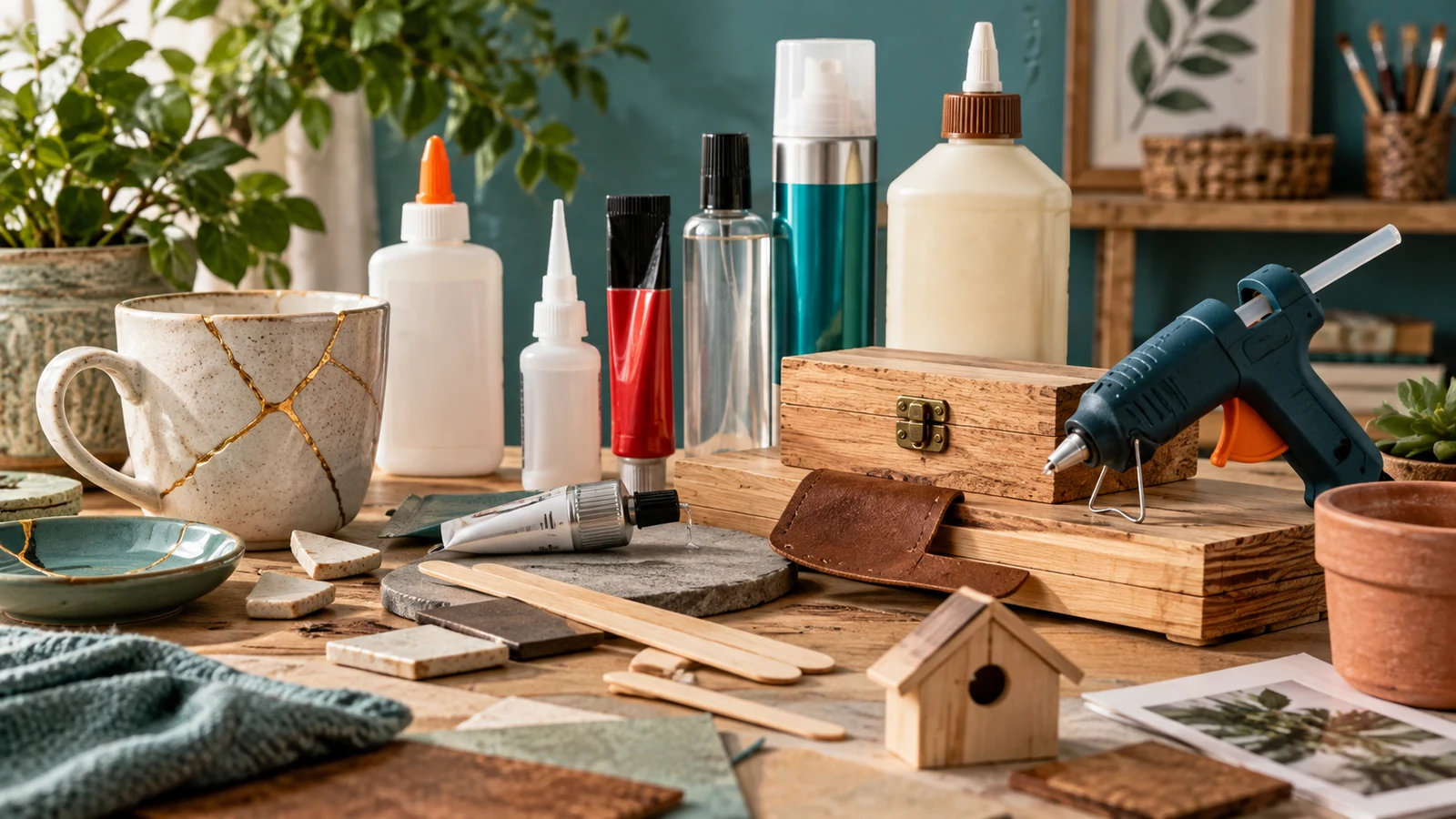
Ever found yourself staring at a shelf full of glue, wondering which one’s right for your project? With so many types available, it’s easy to feel overwhelmed. Whether you’re fixing a broken vase, crafting a scrapbook, or working on a DIY project, choosing the right glue can make all the difference.
In this guide, you’ll discover the 10 most common types of glue and their uses. From super glue to wood glue, each type has unique properties that make it ideal for specific tasks. Understanding these differences will help you pick the perfect adhesive for your needs, ensuring your projects are both strong and successful.
Key Takeaways
- Variety and Specificity: There are multiple types of glue, each tailored to specific materials and tasks, including PVA, super glue, epoxy, polyurethane glue, and fabric glue.
- Surface Compatibility: Choosing the right glue depends on the surface you’re working with, whether it’s porous (like paper or wood) or non-porous (like metal or plastic).
- Job Size and Scope: The scale of your project influences the type and amount of glue needed, with smaller tubes for minor repairs and larger quantities for extensive tasks.
- Drying Time and Solubility: Each type of glue varies in drying time and solubility, affecting its suitability for different environments, especially where water exposure is a concern.
- Safe Usage: Some glues are more suitable for safe use around children, such as school glue and glue sticks, while others like super glue require careful handling.
- Optimal Selection: Matching the correct adhesive to your specific project requirements—considering factors like strength and drying time—is crucial for successful and durable outcomes.
What to Consider When Selecting Glue
Choosing the right glue can significantly impact the success of your project. From the type of surface to the size of the job, various factors need consideration.
Glue Surface
The surface type you’re working with determines the adhesive’s effectiveness. Different materials react differently to certain glues.
Types of Surfaces:
- Porous: Includes materials like paper, cloth, and wood. School glue and glue sticks work well here.
- Non-Porous: Includes materials like plastic, metal, and glass. Epoxy and super glue are suitable for these surfaces.
Ensure the glue’s compatibility with the material to achieve the best adhesion.
Job Size
The size of the job affects the amount and type of glue required.
Considerations:
- Small Jobs: Glue sticks or small tubes of school glue are ideal for minor repairs or crafts.
- Large Jobs: For extensive projects, like furniture assembly, a glue gun or wood glue is more effective.
Match the glue type to the job’s scope to avoid excess waste or insufficient adhesion.
Solubility
Solubility is crucial for applications involving exposure to water or solvents.
Types of Solubility:
- Water-Soluble: School glue is water-soluble, making it easy to clean but unsuitable for outdoor use.
- Waterproof: Epoxy and certain types of super glue offer waterproof options, ideal for outdoor or heavy-duty applications.
Choose the glue based on environmental exposure to ensure durability.
Additional Factors
Other aspects can influence your choice of glue.
- Drying Time: Quick-drying glues like super glue are perfect for fast fixes, whereas school glue may need up to 24 hours.
- Safety: Non-toxic, child-safe glues like school glue and glue sticks are suitable for educational purposes.
- Strength: For strong, permanent bonds, consider epoxy or wood glue.
By evaluating these factors, you can select an adhesive that meets your project’s specific requirements.
Types of Glue Based on Composition
Choosing the right glue depends on understanding its composition. Different adhesives are formulated from various base materials, influencing their suitability for specific applications.
Plant- and Animal-Based Adhesives
Plant- and animal-based adhesives have been used for centuries. These natural adhesives are derived from organic sources and provide safe, environmentally friendly options for various projects.
Plant-Based Adhesives
- Composition: Derived from starch, dextrin, or other plant extracts.
- Use: Often used in paper and packaging industries. These adhesives are ideal for sealing paper bags, envelopes, and cardboard boxes. They are also used in wallpaper paste and bookbinding.
Animal-Based Adhesives
- Composition: Sourced from animal hides, bones, or fish.
- Use: Common in woodworking, bookbinding, and traditional crafts. These glues are valued for their strong bonding properties and ability to set firmly. They are ideal for antique furniture restoration and instrument making.
Examples of Natural Adhesives:
- Hide Glue: Excellent for woodworking and furniture repair.
- Casein Glue: Often used in woodworking and making waterproof labels.
Synthetic Adhesives
Synthetic adhesives, made from synthetic polymers or resins, are versatile and designed for a range of applications. These glues are known for their consistent performance and specialized properties.
White Glue (PVA Glue)
- Composition: Polyvinyl Acetate (PVA).
- Use: Best for lightweight porous materials like paper, cardboard, and cloth. It’s commonly used in crafts, scrapbooking, and school projects due to its clear drying and acid-free nature.
Glue Sticks
- Composition: Synthetic polymers.
- Use: Ideal for adhering paper, foam board, and cardboard. They create less mess, making them suitable for children and art projects.
Hot Glue
- Composition: Thermoplastic polymers.
- Use: Utilized with hot glue guns for bonding materials like fabric, wood, metal, and ceramics. It’s perfect for repair projects and crafting due to its quick drying and strong bond.
Epoxy
- Composition: Epoxy resins and hardeners.
- Use: Provides a strong, durable bond for metal, wood, and some plastics. It’s known for its resistance to chemicals and heat, making it suitable for heavy-duty repairs and construction.
Super Glue (Cyanoacrylate)
- Composition: Cyanoacrylate esters.
- Use: Forms a quick, strong bond for small items such as plastics, metal, and rubber. It’s favored for minor repairs and household fixes due to its rapid setting time.
- Contact Cement: Good for laminates and veneers.
- Silicone Sealant: Used for sealing and bonding in kitchen and bathroom applications.
In understanding the types of glue based on composition, you can select the right adhesive for your specific project needs.
Detailed Review of Common Glue Types
Examining the most common types of glue helps you choose the right adhesive for diverse projects, ensuring effective bonding and lasting results.
1. PVA Glue
- Description: PVA (Polyvinyl Acetate) glue is a versatile adhesive, commonly used in crafting, woodworking, and other DIY projects. It’s water-based, non-toxic, and dries clear.
- Uses: Ideal for bonding paper, card, wood, and fabrics. Often used in paper mache, woodworking, and general crafting projects.
- Drying Time: Takes about an hour to set; fully cures in up to 24 hours.
2. Super Glue
- Description: Super Glue, also known as Cyanoacrylate, is a strong, fast-drying adhesive. It’s highly effective for bonding plastics, metals, glass, and ceramics.
- Uses: Great for quick repairs and bonding heavier materials. Be cautious, as it can bond skin.
- Drying Time: Dries almost instantly.
3. Epoxy Glue
- Description: Epoxy glue is a two-part adhesive that hardens when mixed together. It forms a very strong and durable bond.
- Uses: Suitable for metal, wood, glass, and ceramics. Frequent use in construction and heavy-duty repairs.
- Drying Time: Can take 5 to 60 minutes to set, depending on the formula; full curing usually takes 24 hours.
4. Polyurethane Glue
- Description: Polyurethane glue is known for its strong bonding and flexibility. It expands as it dries, filling gaps and creating a tight seal.
- Uses: Ideal for woodworking and other projects requiring strong bonding. Works well with a variety of materials, including wood, metal, and ceramics.
- Drying Time: Sets in about 30 minutes to an hour; fully cures in 24 hours.
5. Contact Cement
- Description: Contact cement is a type of adhesive that bonds on contact, eliminating the need for clamping.
- Uses: Excellent for bonding large surfaces like laminate countertops, veneers, and sheet metal.
- Drying Time: Bonds instantly upon contact.
6. Hot Glue
- Description: Hot glue, typically composed of thermoplastic, is applied using a glue gun. It solidifies as it cools.
- Uses: Useful in crafting, DIY projects, and minor household repairs. Bonds a variety of materials, including fabric, wood, and plastics.
- Drying Time: Sets within minutes as it cools.
7. Fabric Glue
- Description: Fabric glue is a flexible adhesive designed specifically for joining fabrics.
- Uses: Ideal for sewing projects and repairs where needlework isn’t an option. It adheres to various textiles like cotton, polyester, and denim.
- Drying Time: Typically sets within 2 to 4 hours, with full curing in 24 hours.
8. Cyanoacrylate Glue
- Description: Another term for super glue, cyanoacrylate glue offers rapid and strong adhesion.
- Uses: Bonds materials like plastic, metal, and ceramics quickly and securely.
- Drying Time: Almost instantaneous bonding.
9. Craft or White Glue
- Description: Craft or white glue, another form of PVA glue, is non-toxic and easy to clean up.
- Uses: Perfect for paper, cardboard, and light wood projects. Often used in schools and for kids’ crafts.
- Drying Time: Dries within an hour; full cure in 24 hours.
10. Pressure Sensitive Adhesive (PSA)
- Description: Pressure Sensitive Adhesive (PSA) doesn’t require water, solvent, or heat to activate adhesive properties.
- Uses: Common in tape and labels. Bonds on contact with light pressure.
- Drying Time: Instant bond upon application.
| Glue Type | Uses | Drying Time |
|---|---|---|
| PVA Glue | Paper, cardboard, wood, fabrics | 1 hour to set, 24 hours to cure |
| Super Glue | Plastics, metals, glass, ceramics | Instant |
| Epoxy Glue | Metal, wood, glass, ceramics | 5-60 minutes to set, 24 hours to cure |
| Polyurethane Glue | Wood, metal, ceramics | 30 minutes to 1 hour, 24 hours to cure |
| Contact Cement | Laminates, veneers, sheet metals | Instant upon contact |
| Hot Glue | Fabric, wood, plastics | Minutes |
| Fabric Glue | Cotton, polyester, denim | 2-4 hours to set, 24 hours to cure |
| Cyanoacrylate Glue (Super) | Plastic, metal, ceramics | Instant |
| Craft or White Glue | Paper, cardboard, light wood | 1 hour to set, 24 hours to cure |
| Pressure Sensitive Adhesive | Tape, labels | Instant |
Ensure the chosen adhesive aligns with your project requirements for optimal results.
Uses of Each Glue Type
Understanding the specific uses of each glue type ensures you pick the right adhesive for your projects. Below are some common applications categorized by field.
Applications in Woodworking
- PVA Glue: Best for non-structural wood joints. PVA glue, including white glue and wood glue, offers good adhesion for woodworking projects unaffected by water.
- Epoxy Glue: Suited for structural bonding. Epoxy has a high tensile strength, making it ideal for furniture or heavy woodworking tasks.
- Polyurethane Glue: Great for outdoor furniture. Polyurethane glue expands to bond different wood types, especially those exposed to moisture.
- Hide Glue: Traditional fine woodworking. Hide glue, typically used in antique furniture repair, provides a strong but reversible bond.
- Hot Glue: Suitable for temporary fixes. While not recommended for permanent woodworking tasks, hot glue can be helpful for minor adjustments or quick fixes.
Applications in Crafting
- PVA Glue: Versatile for crafts. Commonly used for paper, cardboard, and cloth projects such as collages and scrapbooking.
- Hot Glue: Ideal for mixed media. Hot glue can bond materials like fabric, wood, and lightweight plastics quickly.
- White Craft Glue (PVA Glue): Perfect for paper crafts. Similar to standard PVA, this version works well for lightweight materials.
- Fabric Glue: Specialized for textiles. Fabric glue offers a durable bond for fabric projects without needing sewing.
- Cyanoacrylate Glue: Precise bonding. Super glue bonds small parts and intricate details in craft projects.
Applications in Construction
- Epoxy Glue: Strong for heavy-duty work. Epoxy ensures lasting and waterproof bonds in construction applications.
- Contact Cement: Efficient for large surfaces. Contact cement is perfect for laminates, veneers, and worktops due to its instant bonding capability.
- Polyurethane Glue: Effective for diverse materials. This glue works on wood, concrete, and metal, offering flexibility in various structural mechanisms.
- Pressure-Sensitive Adhesive (PSA): Quick, strong bonding. PSAs are used in tapes and films that require immediate and durable adhesion on construction sites.
- Super Glue: Handy for quick fixes. Cyanoacrylate glue mends household items like ceramic, plastic, or metal within seconds.
- PVA Glue: Reliable for minor household repairs. Useful for mending lightweight items like paper or fabric.
- Contact Cement: Durable bonding for shoes and belts. Its strong, flexible bond makes it suitable for leather and rubber repair tasks.
- Epoxy Glue: Ideal for fixing broken parts. Epoxy’s strong adhesive properties make it perfect for durable fixes on items like tools, appliances, and more.
| Glue Type | Setting Time | Ideal Materials | Applications |
|---|---|---|---|
| PVA Glue | 1 hour | Paper, cardboard, cloth | Crafting, light woodworking, repairs |
| Hot Glue | Instant | Fabric, wood, light plastics | Mixed media crafting, temporary fixes |
| Epoxy Glue | 5-10 minutes | Wood, metal, ceramics | Heavy-duty repairs, structural bonding |
| Polyurethane Glue | Expands | Wood, concrete, metal | Outdoor woodworking, construction |
| Contact Cement | Instant | Laminate, veneer, leather | Large surfaces, leather repairs |
| Super Glue | Seconds | Plastic, metal, ceramic | Quick household repairs, precise bonding |
| Fabric Glue | Minutes | Textiles, fabrics | Textile crafting, no-sew repairs |
| Hide Glue | Variable | Wood (antique) | Fine woodworking, antique furniture |
| White Craft Glue | 1 hour | Paper, lightweight materials | Paper crafts, scrapbooking |
| PSA | Instant | Various | Construction, quick bonding |
Selecting the right glue depends on your specific project needs. Consider material compatibility, drying time, and bonding strength to achieve optimal results.
Conclusion
Choosing the right glue can make or break your project. With so many options available, it’s crucial to understand the unique properties and ideal uses of each type. By considering factors like surface type, job size, and solubility, you can confidently select the best adhesive for your needs.
Whether you’re working on woodworking, crafting, or construction, knowing which glue to use will ensure strong and durable results. From PVA glue for wood joints to epoxy for heavy-duty repairs, the right adhesive can significantly impact the success of your project.
Equip yourself with this knowledge and make informed decisions to achieve optimal bonding and lasting outcomes. Your projects deserve the best, so choose wisely and enjoy the satisfaction of a job well done.
Frequently Asked Questions
What factors should I consider when choosing glue?
Consider the type of surface (porous vs. non-porous), the size of the job (small vs. large projects), and the solubility (water-soluble vs. waterproof). Also, evaluate drying time, safety, and the adhesive’s strength to ensure the best adhesion and durability for your project.
What are the 10 most common types of glue?
The 10 most common types of glue are PVA glue, super glue, epoxy glue, polyurethane glue, contact cement, hot glue, fabric glue, cyanoacrylate glue, craft or white glue, and pressure-sensitive adhesive (PSA).
What is PVA glue used for?
PVA glue is ideal for non-structural wood joints and general crafting projects. It is water-soluble, easy to clean up, and provides a strong bond for porous materials like wood and paper.
When is epoxy glue the best choice?
Epoxy glue is best suited for heavy-duty repairs and projects requiring strong, durable bonds. It can be used on a variety of materials including metal, wood, and some plastics, and is known for its water and heat resistance.
What makes super glue unique?
Super glue, or cyanoacrylate, is known for its fast-drying properties and strong, permanent bonds. It is commonly used for small repairs on materials like ceramics, plastics, and some metals.
Can I use hot glue for permanent fixes?
Hot glue is typically used for temporary fixes and crafting projects. While it provides a quick bond, it is not as strong or durable as other adhesives for long-term use.
Are natural glues environmentally friendly?
Yes, natural glues, such as hide glue and casein glue, are made from plant or animal sources and are considered environmentally friendly. They are commonly used in applications like woodworking and bookbinding.
How does polyurethane glue perform?
Polyurethane glue provides strong, waterproof bonds, making it suitable for outdoor projects and materials exposed to moisture. It can bond a variety of surfaces such as wood, metal, and some plastics.
What is contact cement used for?
Contact cement is used for bonding large surfaces and materials like laminates, veneers, and some plastics. It forms a strong, flexible bond and is ideal for projects requiring immediate adhesion.
What type of glue is best for fabrics?
Fabric glue is specifically formulated to bond fabrics without causing stiffness or discoloration. It is perfect for sewing-free repairs and crafting projects involving textiles.