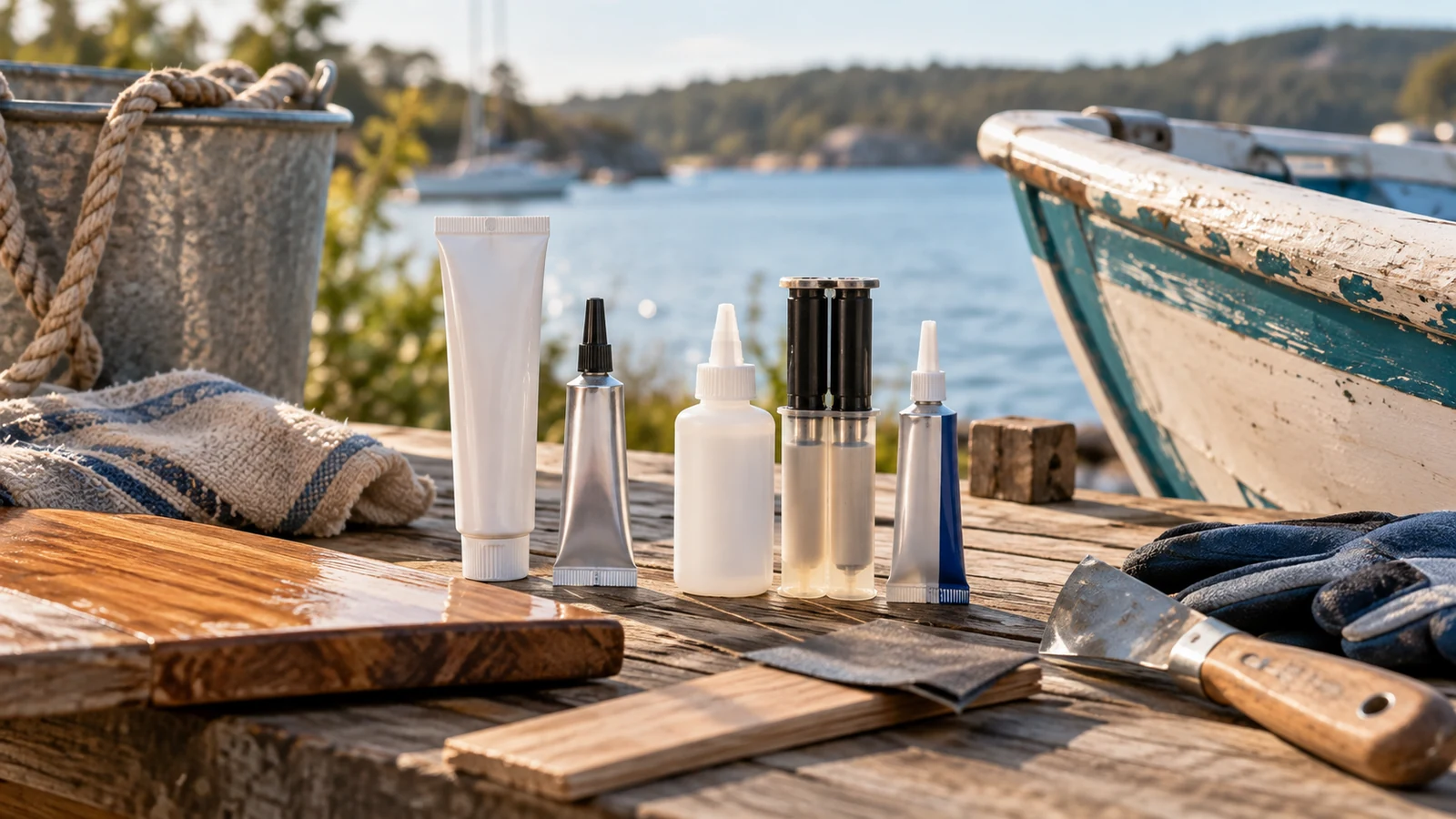
When it comes to outdoor and marine projects, choosing the right adhesive can make all the difference. Whether you’re repairing a boat, fixing outdoor furniture, or tackling a DIY project, the need for a reliable waterproof glue is paramount. The best glues not only withstand the elements but also provide a strong, lasting bond.
In this text, you’ll discover the top 5 waterproof glues that excel in outdoor and marine applications. These products have been selected based on their durability, ease of use, and effectiveness in wet conditions. Get ready to find the perfect adhesive solution for your next project.
Key Takeaways
- Importance of Waterproof Glues: Essential for outdoor and marine projects to withstand moisture, UV rays, and temperature changes, ensuring strong and durable bonds.
- Top Selections: The article highlights the top 5 waterproof glues—Polyurethane Glue, Epoxy Glue, Cross-Linking PVA Glue, Construction Adhesive, and Polyurethane Caulk—each chosen for their durability, ease of use, and effectiveness in wet conditions.
- Key Benefits and Drawbacks: Detailed advantages and disadvantages of each type of glue, helping users make an informed choice based on project needs and material compatibility.
- Best Uses: Specific recommendations for where to use each type of adhesive, such as boat repairs, outdoor furniture, construction, and DIY projects.
- Tips for Effective Use: Practical advice on how to prepare surfaces, apply the glue, and store the adhesives properly to ensure lasting bonds and project success.
Understanding Waterproof Glues
Waterproof glues are essential for projects exposed to moisture, UV rays, and temperature changes. They ensure bonds remain strong and durable in outdoor and marine environments.
Importance of Waterproof Glues
Projects like boat repairs and outdoor furniture fixes need adhesives that withstand harsh elements. Waterproof glues prevent failure due to water damage, ensuring longevity and reliability. When choosing glue, consider its ability to resist moisture, UV radiation, and temperature fluctuations.
Criteria for Selection
Several factors should guide your choice of waterproof glue:
- Water Resistance: The glue must withstand water exposure, including submersion in some cases. For example, glues used in boat repairs must resist continuous water exposure.
- Bond Strength: Adhesives need strong bonding to endure stresses and strains seen in outdoor environments. This includes resisting impacts, vibrations, and temperature-induced expansions.
- Compatibility: The glue should work with various materials like wood, metal, and plastic. Versatility is crucial since outdoor projects often involve multiple material types.
Evaluating glues based on these criteria ensures you select the right adhesive for your outdoor and marine applications.
Polyurethane Glue
Polyurethane glue is a top choice for outdoor and marine applications due to its remarkable waterproof characteristics and versatility. It’s an effective solution for projects that require durable and weather-resistant bonds.
Advantages
Polyurethane glue offers several benefits:
- Waterproof: Ideal for use above the waterline, it withstands moisture exposure, making it perfect for outdoor applications.
- Versatile: Bonds various materials like wood, foam, brick, glass, ceramic, plastic, concrete, and metal.
- Gap Filling: Foams as it cures, providing excellent gap-filling properties.
- Ease of Use: Often available in single-component formulations, making it easier to apply than two-component epoxies.
Disadvantages
Even though its benefits, polyurethane glue has some downsides:
- Foaming: The foaming action can lead to squeeze-out, which can stain surfaces.
- Cleanup: Difficult to remove once set; requires mineral spirits or alcohol for cleanup.
Best Uses
Polyurethane glue excels in a variety of outdoor and marine applications:
- Boat Repairs: Bonds materials subjected to moisture, providing a strong, waterproof hold.
- Outdoor Furniture: Stands up to weather conditions, maintaining strong bonds over time.
- Construction: Effective for bonding different construction materials, useful for projects like brick or concrete work.
- DIY Projects: Suitable for hobbyists needing a reliable adhesive for various materials.
| Application Area | Materials | Key Benefits |
|---|---|---|
| Boat Repairs | Wood, metal, plastic | Waterproof, durable bonds |
| Outdoor Furniture | Wood, foam, plastic, metal | Weather-resistant |
| Construction | Brick, concrete, wood | Strong, versatile adhesive |
| DIY Projects | Ceramic, glass, plastic, wood | Easy application, versatile |
Polyurethane glue’s combination of waterproof, versatile, and gap-filling features makes it a go-to choice for many projects.
Epoxy Glue
Epoxy glue stands out for its exceptional bonding strength and durability, making it an excellent choice for outdoor and marine applications. Specifically rated for continuous exposure below the waterline, it hardens even underwater.
Advantages
- Truly Waterproof: Epoxy glue is designed to withstand constant water exposure, perfect for marine and damp environments.
- Strong Bond: It provides a robust bond suitable for high-stress applications, ensuring long-lasting repairs.
- Versatile Conditions: It cures effectively in various conditions, including cold and wet situations, broadening its usability.
- Multi-Material Compatibility: You can use it to bond both porous materials (e.g., wood) and non-porous materials (e.g., metal and glass), enhancing its versatility.
Disadvantages
- Expensive: Epoxy glue is relatively costly, with a 12-ounce container priced between $20 and $30.
- Difficult Clean-up: The glue’s two-part mixing process can be messy, and cleaning up requires care and effort.
- Marine Applications: Ideal for below-the-waterline repairs and installing equipment in damp bilges.
- Cold and Wet Conditions: Efficient for gluing tasks in cold climates or wet environments, ensuring reliable bonding.
Cross-Linking PVA Glue
Cross-Linking PVA Glue is a type of adhesive that offers a good balance between water resistance and ease of use, making it suitable for many outdoor applications. This glue provides strong bonds and is an excellent choice for projects requiring a reliable waterproof adhesive without the complexities of polyurethane or epoxy glues.
Advantages
- Water Resistance: Cross-Linking PVA Glue becomes water-resistant once fully cured. It’s suitable for outdoor furniture and other exterior applications where it might get wet but not submerged.
- Ease of Use: This glue is easy to work with and cleans up with water before it dries, making it less messy compared to polyurethane glue.
- Non-Toxic: A safer option for use around the home and for projects involving children, as it is generally non-toxic.
- Strong Bonds: It provides strong, durable bonds for wood and porous materials, which is ideal for woodworking projects.
- Flexible: This glue remains somewhat flexible even after drying, which can be beneficial for certain types of joints and materials.
Disadvantages
- Limited Waterproofing: While water-resistant, it’s not suitable for applications where it would face constant water exposure, such as below the waterline on boats.
- Material Compatibility: It does not bond well with non-porous materials like metal or plastic, limiting its versatility.
- Clamping Required: Requires clamping for an extended period to achieve maximum bond strength, which can be inconvenient for some projects.
- Outdoor Furniture: Perfect for assembling and repairing outdoor furniture where it may face occasional rain and moisture.
- Woodworking Projects: Ideal for bonding wood in outdoor woodworking tasks.
- Crafts and DIY Projects: Suitable for various crafts and DIY projects that need a strong, water-resistant adhesive.
- Decorative Items: Helpful in creating or repairing decorative items meant for outdoor use.
By understanding the specific advantages and limitations, you can better determine if Cross-Linking PVA Glue meets the needs of your project. Its ease of use and strong bonding capabilities make it a popular choice for many outdoor applications, particularly those involving wood.
Construction Adhesive
Construction adhesive offers a robust solution for various outdoor and marine applications. It’s known for its strong bond and versatility, making it a go-to choice for demanding projects.
Advantages
- Strong Bond: Provides a durable and resilient bond for heavy-duty projects.
- Versatile: Suitable for various materials like wood, metal, and concrete.
- Weather Resistant: Performs well under diverse weather conditions.
- Easy Application: Usually comes in squeeze tubes, making the application straightforward.
Disadvantages
- Drying Time: Takes longer to cure compared to other adhesives like Super Glue.
- Less Effective for Constant Water Exposure: Not ideal for applications submerged in water; primarily designed for above waterline use.
- High Cost: Can be more expensive than other adhesive options.
- Outdoor Construction: Perfect for fixing or assembling fences, decks, and other structures exposed to the elements.
- Marine Repairs: Useful for boat repairs where parts need a strong hold but aren’t constantly submerged.
- General Repairs: Effective for bonding different materials in home improvement projects.
Construction adhesive’s easy application and strong bond make it ideal for tough outdoor projects and various repairs, contributing to the longevity and stability of your structures.
Polyurethane Caulk
Polyurethane caulk is a versatile sealant known for its exceptional durability and waterproof properties, making it an excellent choice for outdoor and marine applications.
Advantages
Polyurethane caulk offers several key benefits:
- Strong Bond: Creates a durable seal that withstands harsh weather conditions, including UV rays and temperature fluctuations.
- Flexibility: Remains flexible after curing, accommodating movement between materials without cracking.
- Waterproof: Provides watertight seals, ideal for marine and outdoor use.
- Adhesion: Bonds well to various materials, including wood, metal, concrete, and glass.
- Paintable: Can be painted over once cured, matching the aesthetic of surrounding surfaces.
Disadvantages
Even though its numerous advantages, polyurethane caulk has a few drawbacks:
- Setup Time: Takes longer to cure than silicone caulks, necessitating patience and planning.
- Application: Requires careful application, as it can be messy if not handled properly.
- Cost: Generally more expensive than other types of caulk, such as acrylic or silicone.
Best Uses
Given its robust characteristics, polyurethane caulk is best suited for specific applications:
- Outdoor Sealing: Ideal for sealing windows, doors, and siding to prevent water infiltration.
- Marine Applications: Perfect for sealing joints and seams on boats and other watercraft to ensure waterproof integrity.
- Construction Projects: Useful for sealing expansion joints in sidewalks, driveways, and other concrete structures.
- Industrial Uses: Employed in sealing and bonding applications in various industries, from automotive to aerospace.
Polyurethane caulk stands out for its reliability and longevity in challenging environments, making it an essential component in outdoor and marine projects.
Tips for Using Waterproof Glue
Using waterproof glue effectively ensures strong, durable bonds in your outdoor and marine projects. Follow these tips for preparation, application, storage, and maintenance.
Preparation and Application
Surface Preparation:
- Clean: Ensure surfaces are free of dirt, dust, and oils. Use a solvent like acetone for tough grease.
- Dry: Even if bonding damp areas, dry surfaces provide optimal adhesion.
- Sand: Lightly sand smooth surfaces to increase grip.
Application Steps:
- Read Labels: Follow the manufacturer’s instructions for the specific glue type.
- Apply Evenly: Spread glue uniformly using a brush or applicator. Avoid pooling.
- Clamp: Secure parts with clamps for the recommended time to ensure a strong bond.
- Ventilation: Work in well-ventilated areas when using strong adhesives like polyurethane and epoxy.
Storage and Maintenance
Storage Tips:
- Seal Properly: Keep containers tightly closed to prevent moisture from entering.
- Cool, Dry Place: Store glue in cool, dry places to extend shelf life.
- Expiration Date: Pay attention to expiration dates. Expired glue loses effectiveness.
- Clean-Up: Use appropriate solvents like acetone for polyurethane or soap and water for PVA glue immediately after use.
- Inspection: Regularly check bonds for wear and reapply glue if necessary in high-stress areas.
| Glue Type | Key Advantages | Drawbacks |
|---|---|---|
| Polyurethane Glue | Strong, bonds multiple materials, sandable | Expensive, messy, short shelf life |
| Epoxy Glue | Strong bonds, versatile, cures in various conditions | High cost, messy clean-up |
| Cross-Linking PVA Glue | Water-resistant, non-toxic, strong for wood | Limited waterproofing, requires clamping |
| Construction Adhesive | Durable, weather-resistant, versatile | Long drying time, costly for constant water exposure |
| Polyurethane Caulk | Durable, flexible, waterproof | Long setup time, careful application needed |
Asset selection of waterproof glue can keep your projects intact even though harsh conditions. Plan, prepare, and maintain your adhesive applications for the best results.
Conclusion
Choosing the right waterproof glue for your outdoor and marine projects is crucial for ensuring long-lasting, durable bonds. By understanding the unique properties and advantages of each type of adhesive, you can make an well-informed choice that best suits your specific needs. Whether you’re tackling boat repairs, outdoor furniture assembly, or any other moisture-exposed task, selecting a reliable glue will save you time and effort in the long run.
Remember to prioritize surface preparation and follow the recommended application steps to achieve the best results. With the right glue and proper techniques, your projects will withstand the elements and remain secure and intact for years to come.
Frequently Asked Questions
Why is it important to choose the right adhesive for outdoor and marine projects?
Selecting the right adhesive ensures long-lasting and strong bonds in environments exposed to moisture, UV rays, and temperature changes.
What are the top waterproof glues recommended for outdoor projects?
The top waterproof glues include polyurethane glue, epoxy glue, cross-linking PVA glue, construction adhesive, and polyurethane caulk.
Which glue is best for boat repairs?
Polyurethane glue and epoxy glue are excellent choices for boat repairs due to their waterproof nature and strong bonding capabilities.
What are the main advantages of polyurethane glue?
Polyurethane glue is waterproof, bonds various materials, has gap-filling properties, and is easy to use. However, it can foam and is difficult to clean up.
What are the disadvantages of epoxy glue?
Epoxy glue can be relatively costly, and its two-part mixing process can be messy and require careful handling.
Is cross-linking PVA glue suitable for furniture assembly?
Yes, cross-linking PVA glue is ideal for furniture assembly, providing strong bonds and reliable water resistance once fully cured.
Can construction adhesive be used for marine projects?
Yes, construction adhesive is suitable for marine projects, offering strong bonds and weather resistance. However, it is less effective for constant water exposure.
How does polyurethane caulk differ from other adhesives?
Polyurethane caulk is a versatile sealant known for its exceptional durability, waterproof properties, flexibility, and paintability, making it ideal for sealing and bonding in outdoor conditions.
What should be considered when applying waterproof glue?
Ensure proper surface preparation by cleaning, drying, and sanding surfaces. Read glue labels, apply evenly, clamp parts, and use in a well-ventilated area.
How can the shelf life of adhesives be extended?
Store adhesives in a cool, dry place, ensure the container is tightly sealed, and avoid exposing to extreme temperatures or moisture.