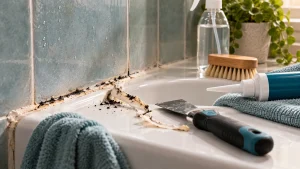
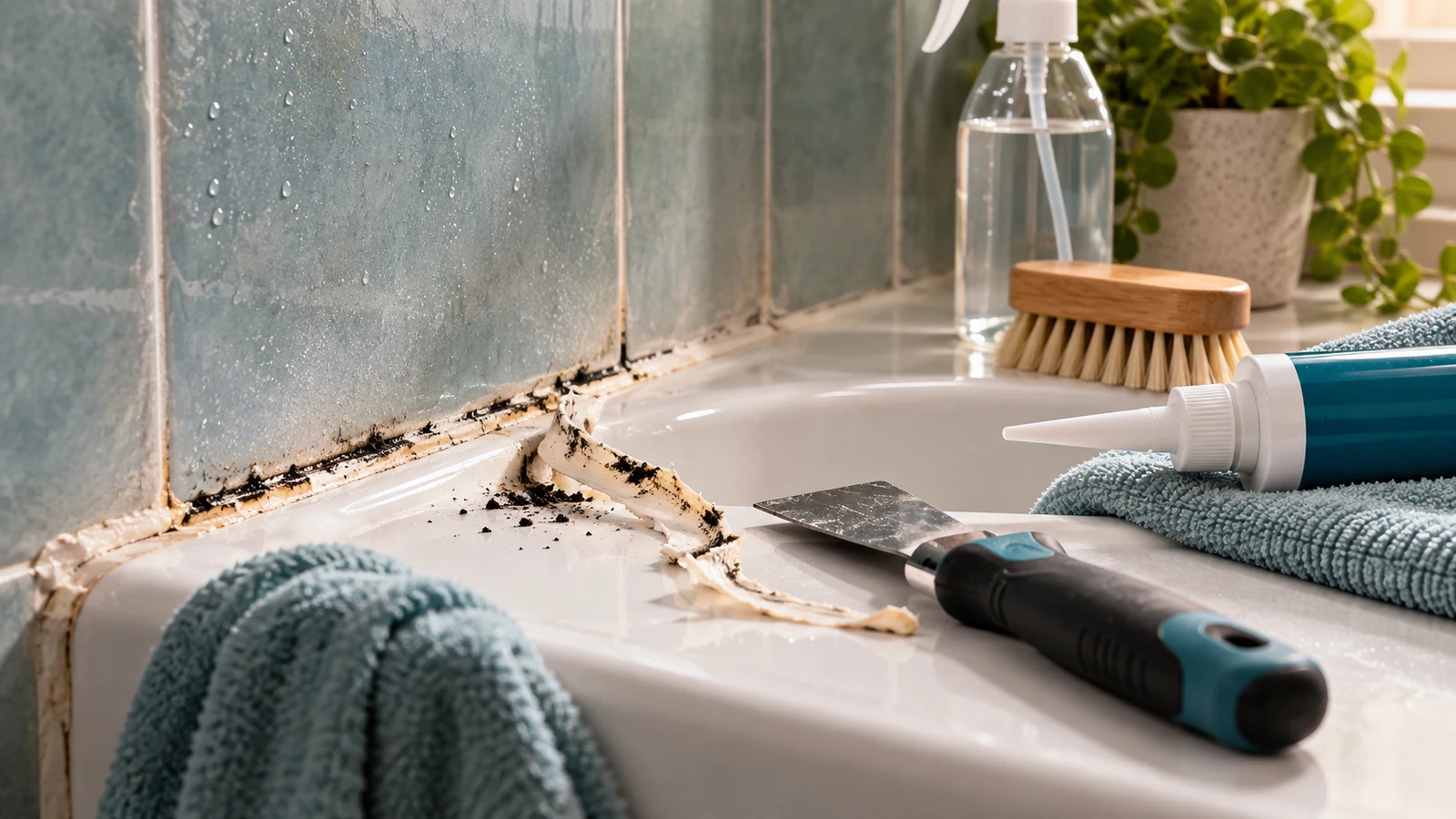
Mold under silicone caulk is more than just an eyesore; it can affect your health and damage your home. Whether it’s in your bathroom, kitchen, or any other damp area, mold thrives in dark, moist environments, making silicone caulk a prime target. Ignoring it won’t make it go away, and simple cleaning might not be enough.
You don’t need to be an expert to tackle this issue. With the right tools and a bit of elbow grease, you can effectively remove mold and restore your caulk to its original condition. Ready to reclaim your space from unsightly mold? Let’s jump into the steps you’ll need to take.
Key Takeaways
- Health Risks: Mold under silicone caulk can cause respiratory issues and allergic reactions, making it crucial to address promptly.
- Structural Damage: Untreated mold can deteriorate caulk and surrounding surfaces, leading to costly repairs.
- Mold Removal Steps: Effective mold removal involves preparing the area, applying a cleaning solution, scrubbing, rinsing, and drying thoroughly.
- Natural Alternatives: Vinegar and hydrogen peroxide are effective, eco-friendly options for mold removal.
- Prevention Tips: Controlling humidity, improving ventilation, using mold-resistant materials, regular cleaning, fixing leaks, and using anti-mold products can prevent future mold growth.
Why Is Mold Under Silicone Caulk a Problem?
Mold under silicone caulk presents multiple issues that can significantly impact your home’s environment and structural integrity.
- Health Risks: Mold growth leads to severe health concerns. Mold spores can become airborne and, when inhaled, exacerbate respiratory conditions like asthma. They can also trigger allergic reactions, causing symptoms such as sneezing, coughing, and skin rashes.
- Structural Damage: If mold remains untreated, it can infiltrate the caulk and surrounding surfaces. This can lead to significant structural deterioration. The integrity of your bathroom or kitchen area gets compromised, resulting in costly repairs.
- Aesthetic Issues: Mold growth is visually unappealing. Mold turns a clean, inviting space into an unsightly one. The presence of mold can make your bathroom or kitchen look neglected and dirty, affecting the overall ambiance.
Key Terms:
- Mold Spores: Tiny reproductive units of mold that can become airborne and inhaled.
- Infiltrate: The process of penetrating or permeating through substances like caulk.
- Structural Integrity: The state of a structure being whole and undamaged.
Key Features of Mold Problems:
- Health Impact: Respiratory issues, allergic reactions
- Material Degradation: Damage to caulk and surfaces
- Visual Appearance: Unsightly, neglected look
| Factor | Impact | Symptoms/Consequences |
|---|---|---|
| Health | Respiratory and allergic issues | Asthma exacerbation, sneezing, cough |
| Structural Damage | Caulk and surface deterioration | Compromised surface integrity, costly repairs |
| Aesthetic | Unsightly appearance | Unpleasant environment, dirty look |
Addressing mold under silicone caulk promptly can prevent health risks, structural damage, and aesthetic issues, restoring your bathroom or kitchen’s health and appearance.
Common Causes of Mold Growth
Understanding the common causes of mold growth under silicone caulk helps mitigate this issue effectively. Mold thrives in specific conditions, and by addressing these factors, you can reduce the likelihood of recurrence.
Key Factors Leading to Mold Growth
Moisture
Moisture is the primary culprit. Bathrooms, known for high humidity levels, offer an ideal environment. Water often becomes trapped behind the caulk, leading to mold proliferation.
Warmth and Organic Matter
Warmth combined with organic matter such as soap scum and residues fosters mold growth. Bathrooms, with their frequent use of hot water, maintain a warm environment conducive to mold.
Poor Ventilation
Inadequate ventilation in bathrooms and kitchens can significantly contribute to mold growth. Without proper air circulation, humidity levels remain high, creating a breeding ground for mold spores.
Compromised Caulk
Old, damaged, or poor-quality caulk can trap moisture. When compromised, the seal is ineffective at keeping water out, providing the ideal environment for mold to flourish.
Steps to Address Common Causes
- Reduce Moisture: Use exhaust fans or dehumidifiers to lower humidity levels. Ensure fans are operational particularly after showers/baths.
- Clean Regularly: Address organic matter buildup by regular cleaning. Use mold-resistant products to prevent soap scum and residues.
- Improve Ventilation: Ensure windows and vents are open or install additional ventilation systems. Proper air circulation is crucial.
- Upgrade Caulk: Replace old or damaged caulk with high-quality, mold-resistant options. Regularly inspect for wear and tear to maintain effectiveness.
Data on Bathroom Mold Growth
Consider the following data on mold growth factors:
| Factor | Impact on Mold Growth (%) | Recommended Action |
|---|---|---|
| Moisture Levels (>60%) | 80% | Use dehumidifiers, fix leaks |
| Organic Matter | 70% | Regular cleaning, mold-resistant products |
| Poor Ventilation | 65% | Install exhaust fans, keep windows open |
| Compromised Caulk | 55% | Replace with mold-resistant caulk |
Monitoring and addressing these factors help prevent mold from taking hold under silicone caulk. Detailed attention to moisture, cleanliness, ventilation, and caulk condition ensures a healthier home environment.
Required Tools and Materials
To effectively remove mold from under silicone caulk, you’ll need a combination of cleaning agents, protective gear, scrubbing tools, and absorbent materials. Using these tools ensures a thorough and safe cleaning process.
Cleaning Agents
- Bleach
- Mix a 1:1 ratio of bleach and water for serious mold buildup.
- Apply carefully as it can be harsh on the skin and surfaces.
- Vinegar
- Use as a less harsh alternative, often mixed with water or baking soda.
- Effective for light to moderate mold stains.
- Baking Soda
- Create a paste by mixing baking soda with water.
- Apply directly to mold stains and scrub gently.
- Hydrogen Peroxide
- Use for stubborn mold stains.
- Apply directly and let sit before scrubbing.
Protective Gear
- Rubber Gloves
- Protect your hands from bleach and other cleaning agents.
- Essential for maintaining skin safety during cleaning.
- Safety Goggles
- Prevent eye irritation from splashes of cleaners.
- Important when working with strong chemicals like bleach.
- Mask
- Prevent inhalation of mold spores and cleaning fumes.
- Essential for respiratory protection.
Scrubbing Tools
- Scrub Brush
- Use for vigorous scrubbing of moldy areas.
- Ideal for larger surfaces and thick mold buildup.
- Old Toothbrush
- Use for detailed cleaning in tight spaces.
- Perfect for corners and edges where mold hides.
- Sponge
- Use for general cleaning and scrubbing.
- Versatile tool for applying and removing cleaning agents.
Absorbent Materials
- Paper Towels
- Roll into small tubes to apply bleach solution directly to the mold.
- Helpful for precise application and absorption of excess moisture.
Summary
Having the right tools and materials is crucial for effectively removing mold from under silicone caulk and ensuring a safe and thorough cleaning process. Each item listed serves a specific purpose, enhancing both the efficacy and safety of the task. Follow these guidelines for a mold-free, healthier home environment.
Step-by-Step Guide to Remove Mold from Under Silicone Caulk
Learn how to effectively get rid of mold hiding under silicone caulk with this step-by-step guide. Follow these steps to ensure thorough mold removal and maintain a healthier home environment.
Step 1: Prepare the Area
- Ensure Proper Ventilation: Open windows and doors. Providing good ventilation prevents the spread of mold spores and allows safe use of cleaning agents.
- Protect Yourself: Wear rubber gloves, safety goggles, and a mask. This gear will protect you against mold spores and harsh cleaning agents.
- Clear the Workspace: Remove items from the shower area. Lay down old towels or plastic sheets to protect nearby surfaces from cleaning solutions.
Step 2: Apply a Cleaning Solution
- Choose a Cleaning Agent: Depending on the severity of the mold contamination, select one of the following:
- Bleach Solution: Mix one part bleach with three parts water in a spray bottle. Effective for serious mold buildup.
- Vinegar Solution: Use undiluted white vinegar in a spray bottle. This is a less harsh alternative.
- Baking Soda Paste: Mix baking soda with water to create a thick paste. Ideal for gentle cleaning.
Step 3: Scrub the Affected Area
- Spray the Solution: Apply the chosen solution generously over the moldy caulk.
- Use Scrubbing Tools: Use a scrub brush or an old toothbrush to vigorously scrub the moldy areas. Scrubbing helps in breaking down the mold colonies, ensuring thorough removal.
Step 4: Rinse and Dry Thoroughly
- Rinse the Area: After scrubbing, rinse the cleaned area with warm water. This removes residual cleaning solution and dislodged mold.
- Dry Completely: Use a clean towel or paper towels to dry the area thoroughly. Mold thrives in moist environments, so ensuring the area is dry curbs future mold growth.
- Inspect the Caulk: Check the silicone caulk for any remaining mold or damage. Damaged caulk can harbor mold and undermine your cleaning efforts.
- Reapply Caulk: If necessary, remove the old caulk and apply a new, mold-resistant silicone caulk. Ensure the area is completely dry before reapplying to prevent sealing in any moisture.
By meticulously following these steps, you can efficiently eliminate mold from under silicone caulk and maintain a clean, mold-free environment in your home.
Natural Alternatives for Mold Removal
You can effectively remove mold from under silicone caulk using natural alternatives. These methods are environmentally friendly and avoid harsh chemicals.
Using Vinegar
Vinegar is a powerful antifungal and antibacterial agent. Follow these steps for effective mold removal:
- Prepare the Solution: Fill a spray bottle with undiluted white vinegar.
- Apply the Solution: Spray the vinegar onto the moldy area, making sure to cover it completely.
- Scrub the Area: Use a soft-bristled brush, an old toothbrush, or a sponge to gently scrub the mold.
- Rinse Thoroughly: Rinse the area with clean water to wash away any remaining vinegar and mold.
- Dry Completely: Use a dry towel or cloth to ensure the area is completely dry.
Using Hydrogen Peroxide
Hydrogen peroxide is another effective natural cleaner for mold removal. Here’s how to use it:
- Prepare the Solution: Pour 3% hydrogen peroxide into a spray bottle.
- Apply the Solution: Spray the hydrogen peroxide generously onto the moldy area.
- Let It Sit: Allow the solution to sit for at least 10 minutes to penetrate the mold.
- Scrub the Area: Use a brush or a sponge to scrub away the mold.
- Rinse Thoroughly: Rinse the area with water to remove residue.
- Dry Completely: Wipe the area dry with a towel or cloth.
Both vinegar and hydrogen peroxide are effective, safe, and natural methods to combat mold under silicone caulk. By following these steps, you can maintain a mold-free environment in your home.
Tips for Preventing Mold Growth in the Future
Preventing mold growth under silicone caulk is crucial in maintaining a healthy home environment. Implementing the following tips can help you keep mold at bay and ensure the longevity of your caulk.
Control Humidity Levels
Ensure humidity levels remain low, ideally between 30%-50%, to discourage mold growth. Dehumidifiers and exhaust fans can be effective tools in maintaining suitable indoor humidity.
Definition List:
Dehumidifier: A device that removes excess moisture from the air.
Exhaust Fan: A fan designed to expel humid air out of rooms like bathrooms and kitchens.
Improve Ventilation
Proper ventilation is essential in reducing moisture build-up. Keep windows open when possible, especially in rooms prone to humidity, like bathrooms. If natural ventilation is insufficient, install ventilation fans to improve air circulation.
Bullet List:
- Open windows during and after showers.
- Use ventilation fans in kitchens and bathrooms.
- Allow fresh air to circulate in confined spaces.
Use Mold-Resistant Materials
When sealing areas prone to moisture, use mold-resistant silicone caulk. These products contain antimicrobial properties that inhibit mold growth, providing an additional layer of protection.
Definition List:
Mold-Resistant Silicone Caulk: Caulk that contains additives to prevent mold and mildew growth.
Regular Cleaning and Maintenance
Maintain cleanliness in areas with silicone caulk to prevent organic matter, like soap scum, from becoming a nutrient source for mold. Regular cleaning routines can substantially mitigate mold risks.
Bullet List:
- Clean bathroom tiles and grout weekly.
- Remove soap scum and other residues promptly.
- Inspect caulk lines regularly for signs of mold or deterioration.
Repair Leaks Promptly
Identifying and repairing leaks promptly is crucial to prevent water from seeping into joints and caulk lines. Even small leaks can create moist environments perfect for mold growth.
Definition List:
Leak: An unintended escape of liquid.
Bullet List:
- Inspect plumbing regularly for drips or leaks.
- Repair any discovered leaks without delay.
- Seal gaps around sinks, tubs, and showers properly.
Use Anti-Mold Products
Integrating anti-mold sprays or solutions into your cleaning regimen can offer additional protection. These products are specially formulated to kill mold spores and prevent regrowth.
Definition List:
Anti-Mold Spray: A chemical solution designed to kill and prevent mold.
Bullet List:
- Apply anti-mold spray to cleaned caulk lines every month.
- Use mold-inhibiting cleaners for routine cleaning.
Environment Suitability and Data
To better understand these prevention methods, review the following table highlighting their effectiveness.
| Method | Effectiveness (%) | Comments |
|---|---|---|
| Controlling Humidity | 90% | Most effective with consistent use. |
| Improving Ventilation | 85% | Crucial for high-moisture areas. |
| Mold-Resistant Materials | 80% | Long-term prevention, initial cost. |
| Regular Cleaning | 75% | Prevents mold growth from residues. |
| Repairing Leaks | 95% | Immediate effect, essential practice. |
| Anti-Mold Products | 70% | Supplementary, not standalone. |
Acting on these tips can significantly reduce the likelihood of mold growth under silicone caulk in high-moisture environments. Use these strategies to maintain a clean and healthy home.
Conclusion
By taking the right steps to remove mold from under silicone caulk, you can protect your home and health. Using effective cleaning solutions and ensuring proper ventilation are key to tackling this issue. Don’t forget to replace compromised caulk with mold-resistant options to prevent future problems.
Consistent maintenance and proactive measures can keep your bathrooms and kitchens looking fresh and mold-free. With the right approach, you’ll create a healthier living environment, free from the risks and unsightly appearance of mold growth.
Frequently Asked Questions
Does vinegar damage silicone sealant?
Vinegar can be used as a cleaning solution for silicone sealant; however, frequent use may weaken the sealant over time. If extensively used, vinegar might exacerbate the problem by degrading the silicone and making it more susceptible to future mold growth.
Will hydrogen peroxide kill mold on silicone?
Yes, hydrogen peroxide is effective at killing mold on silicone. It works as a disinfectant and can eliminate mold spores on solid surfaces. Apply a 3% hydrogen peroxide solution directly and let it sit for about 10 minutes before rinsing.
How to clean silicone caulk in the shower?
For mild mold buildup, use a mixture of vinegar and water. Spray a 1:1 solution onto the silicone caulk, let it sit for a few minutes, scrub with a brush, and rinse thoroughly. Regular cleaning can prevent mold from accumulating.
How do you prevent mold under silicone?
To prevent mold growth, ensure proper ventilation by using exhaust fans and keeping the area dry. Use high-quality, mold-resistant silicone caulk, and wipe down surfaces after water exposure. Regularly clean with anti-mold products to keep moisture and organic matter at bay.
How do you get rid of mold under silicone?
Apply a mixture of 1 cup vinegar and 2-3 teaspoons baking soda to the moldy area. Spread the paste over the silicone, let it sit for 5-10 minutes, scrub with a brush, and rinse thoroughly. Ensure the area is dry to prevent future mold growth.